Top of the week
4
"Wolf Cub": A Novella That Hasn't Been Read for One Hundred and Twenty Years (16+)
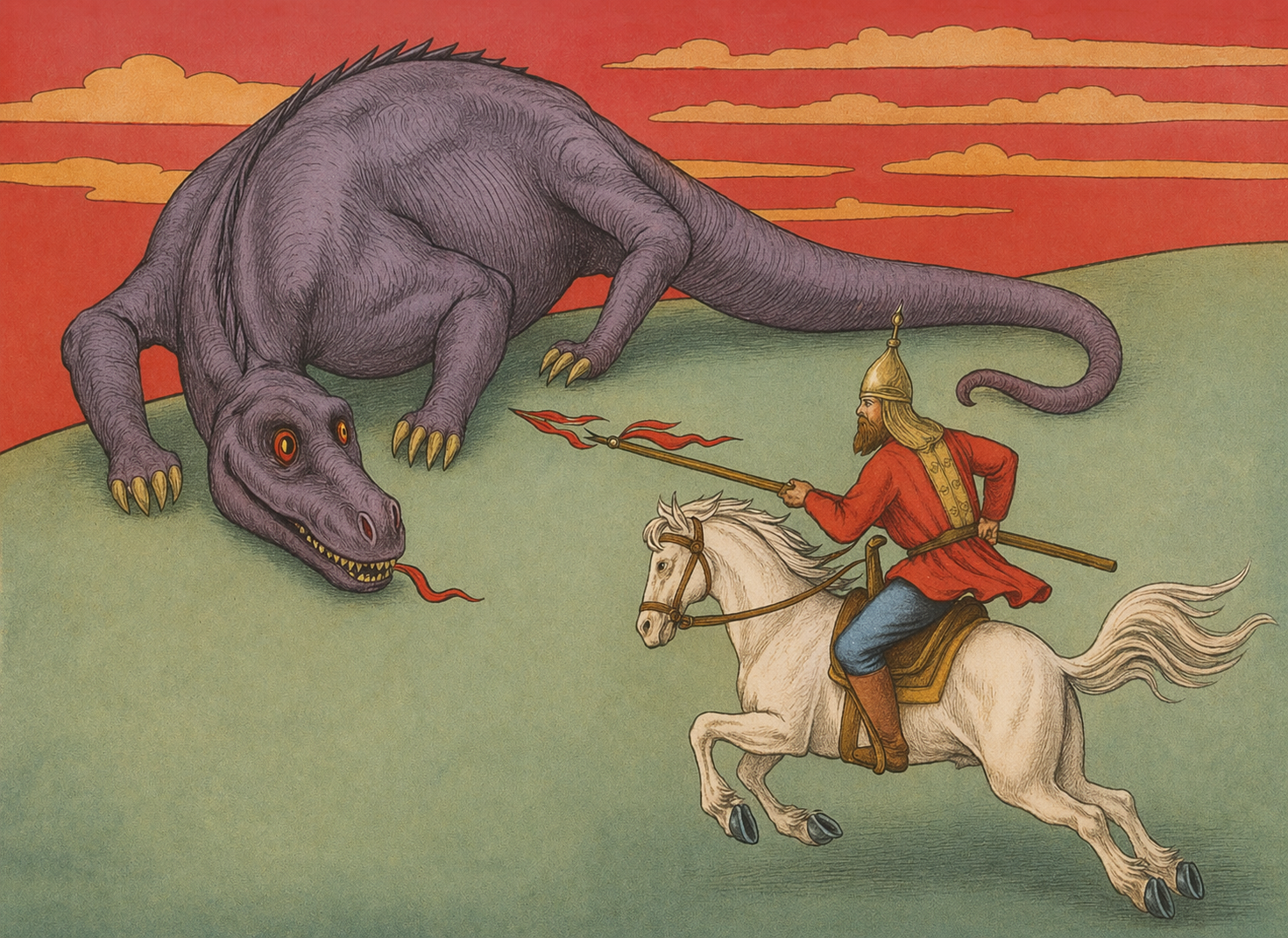
Misty autumnal Petersburg. A well-fed artist, in love with the beauty of the city, encounters a homeless boy—hungry, proud, bristling like a wolf cub. The boy asks, "Take me with you." Out of whim and curiosity, the artist takes him—partly as a servant, partly as a picturesque "model." Behind the anecdote of the meeting of two worlds, the well-fed and the destitute, lies a bitter question: can a wolf cub be tamed, and what will this endeavor cost both of them?
4
The Alphabet of Hatred: How the Political Language of the Revolution Influenced the Start of the Civil War
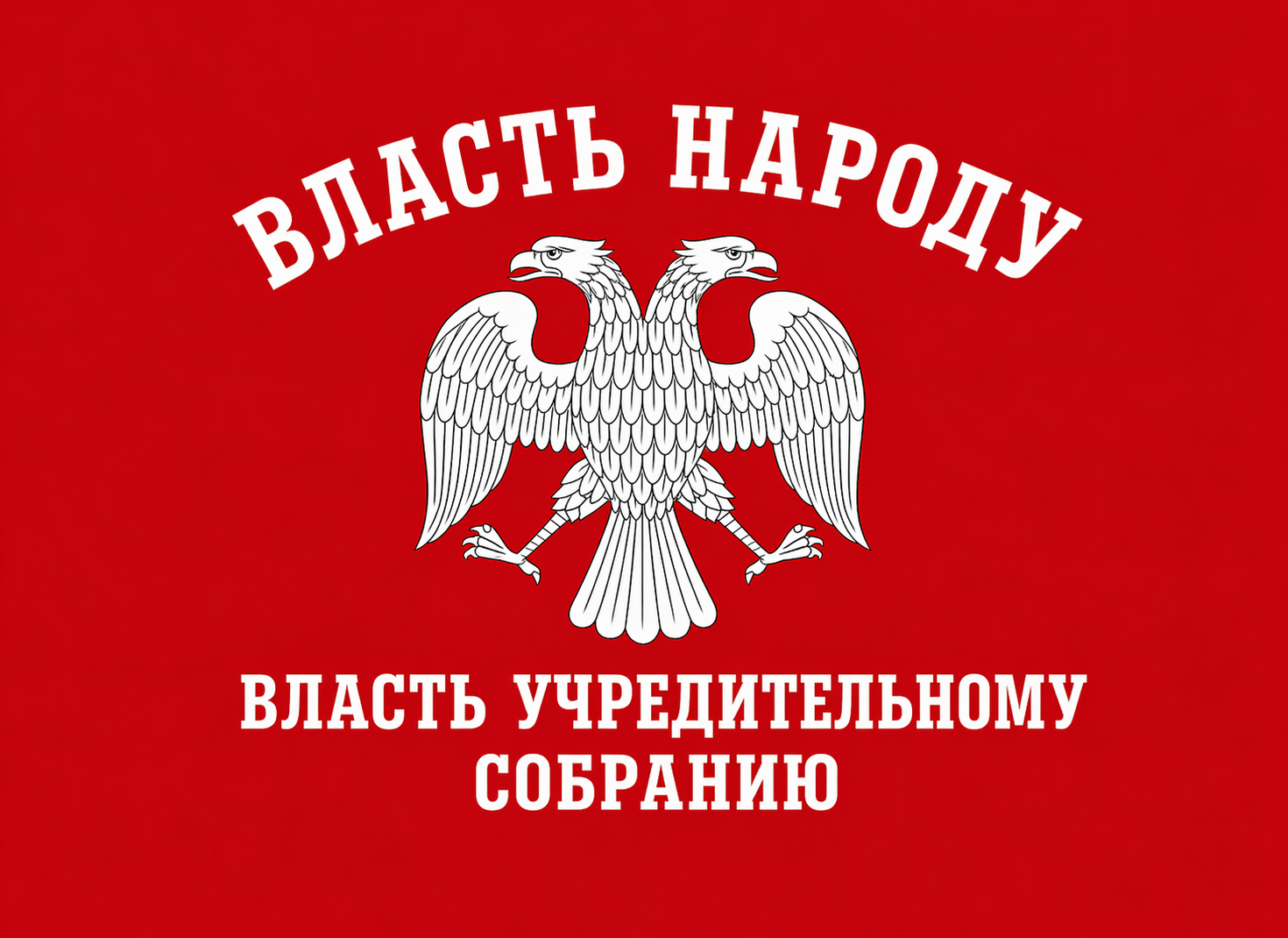
In 1917, the political lexicon became an integral part of social conflict. It turned out that different groups interpreted the same terms differently: "democracy," "people," "bourgeoisie." How the language of the revolutionary era gradually turned into the alphabet of hatred for the impending civil war is discussed in the article by historian Konstantin Tarasov.
4
Parties of the Weimar Republic
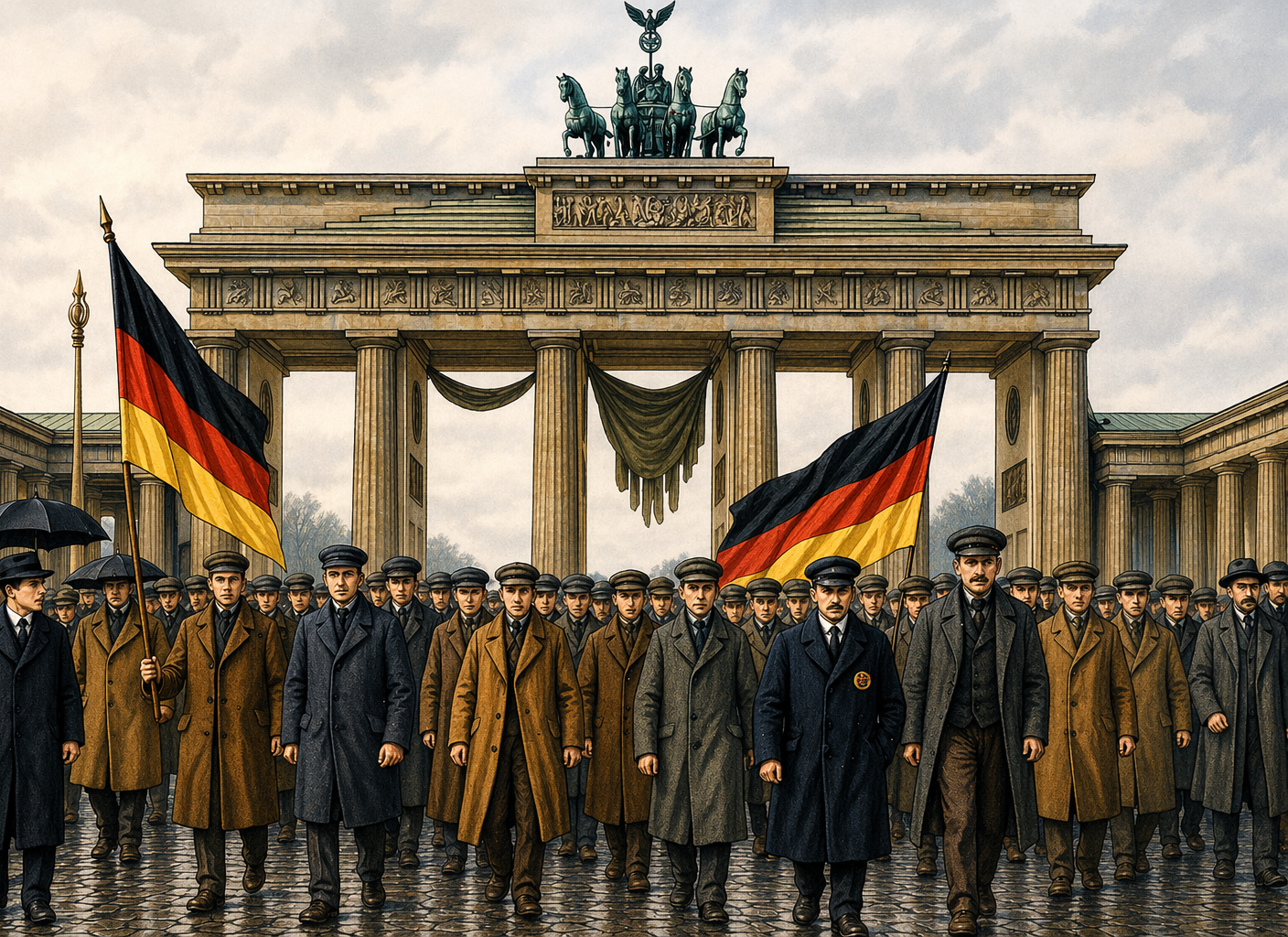
The history of the Weimar Republic is inextricably linked with the history of political parties. Like the republic itself, these parties did not appear out of nowhere and did not disappear into oblivion. The roots of most of them lay in the Kaiserreich, and after a 12-year Nazi hiatus, most were reestablished or served as the foundation for the creation of new parties that defined the political life of both German states in the second half of the 20th century.
question
3
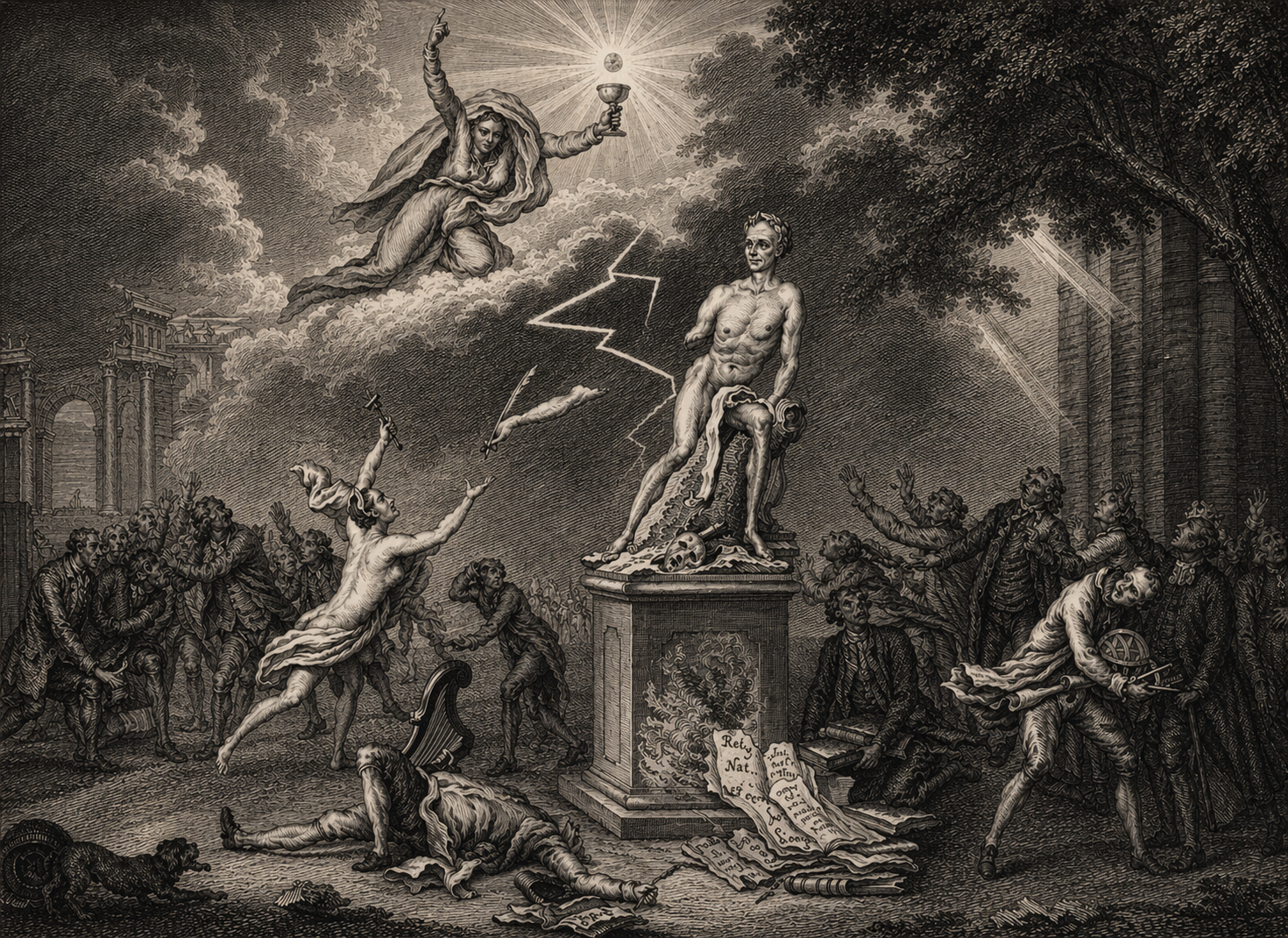
What kind of counter-enlightener are you?
The ideas of the Enlightenment always sparked heated debates, and many, while accepting certain elements of the era's worldview, decisively rejected others. Where is your limit of Enlightenment? Take the test and find out who you resemble more: the reactionary de Maistre, the conservative Burke, the religious philosopher Hamann, or the romantic nationalist Herder.
4
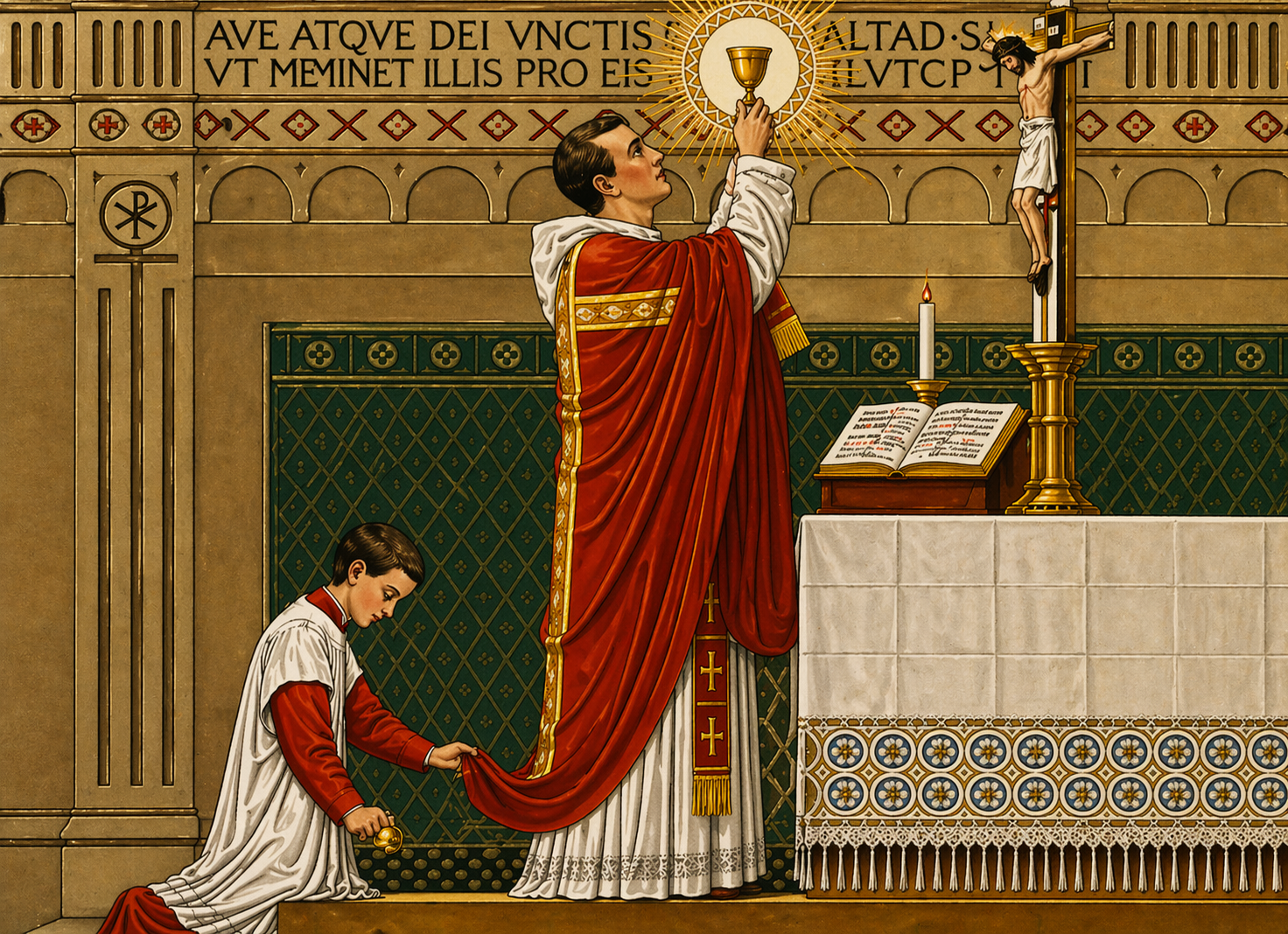
TLM versus NO
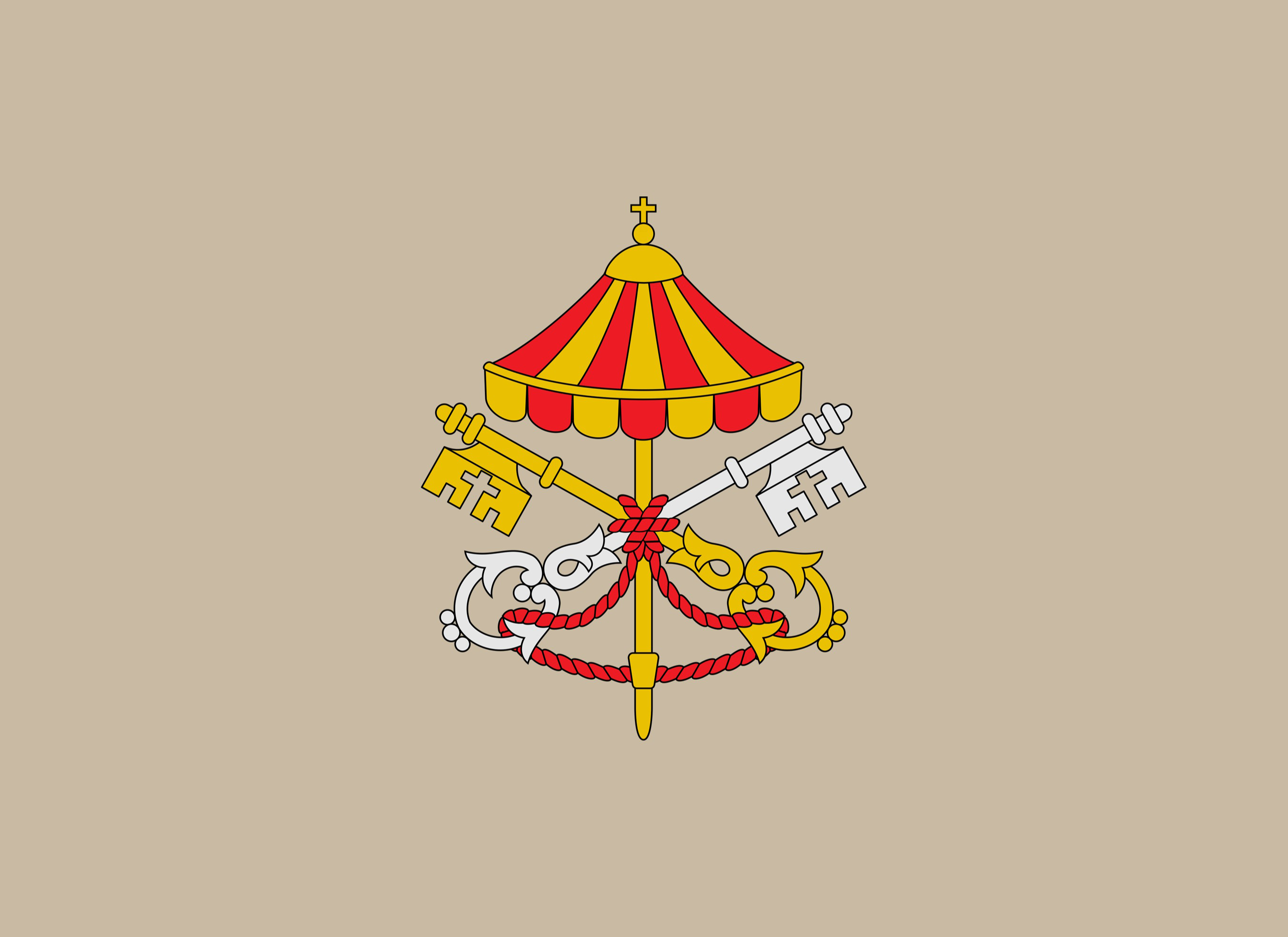
Since the 1960s, a confrontation has been unfolding within the Catholic Church between modernists, who support the updated Mass, and traditionalists, who adhere to the old Tridentine Mass. With the ascension of the new pontiff Leo XIV to the papal throne, these disputes have only intensified.
3
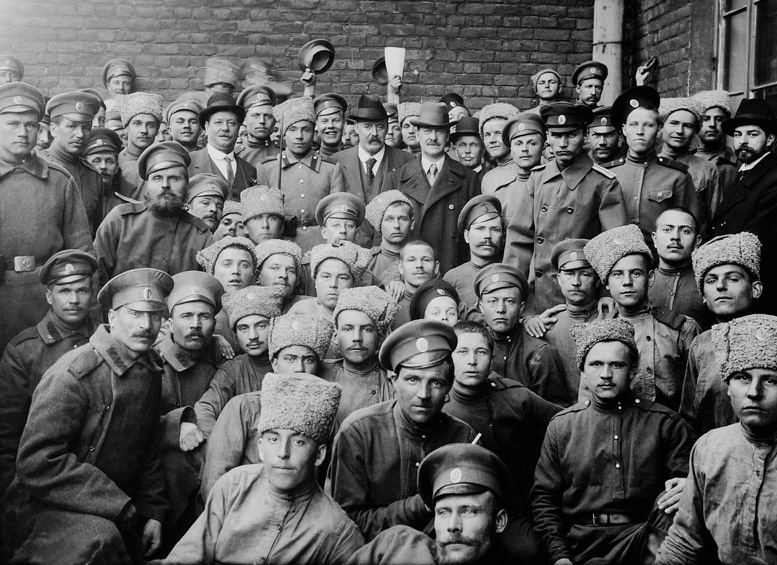
Volunteer and Revolutionary: An Attempt to Save the Russian Army in 1917
In 1917, the Russian army found itself in a deep crisis. In the context of the ongoing war, unconventional methods were needed to revive the military spirit. Thus, the concept of a volunteer revolutionary army emerged, which was intended to inspire the mobilized troops and eventually replace them with volunteers. To find out how this experiment ended, read the article by historian Konstantin Tarasov.
Hidden materials and the PONTVS community.
Some knowledge is better sought in closed circles.
Access — by subscription.
Where people work.
New on the platform
Literature
1
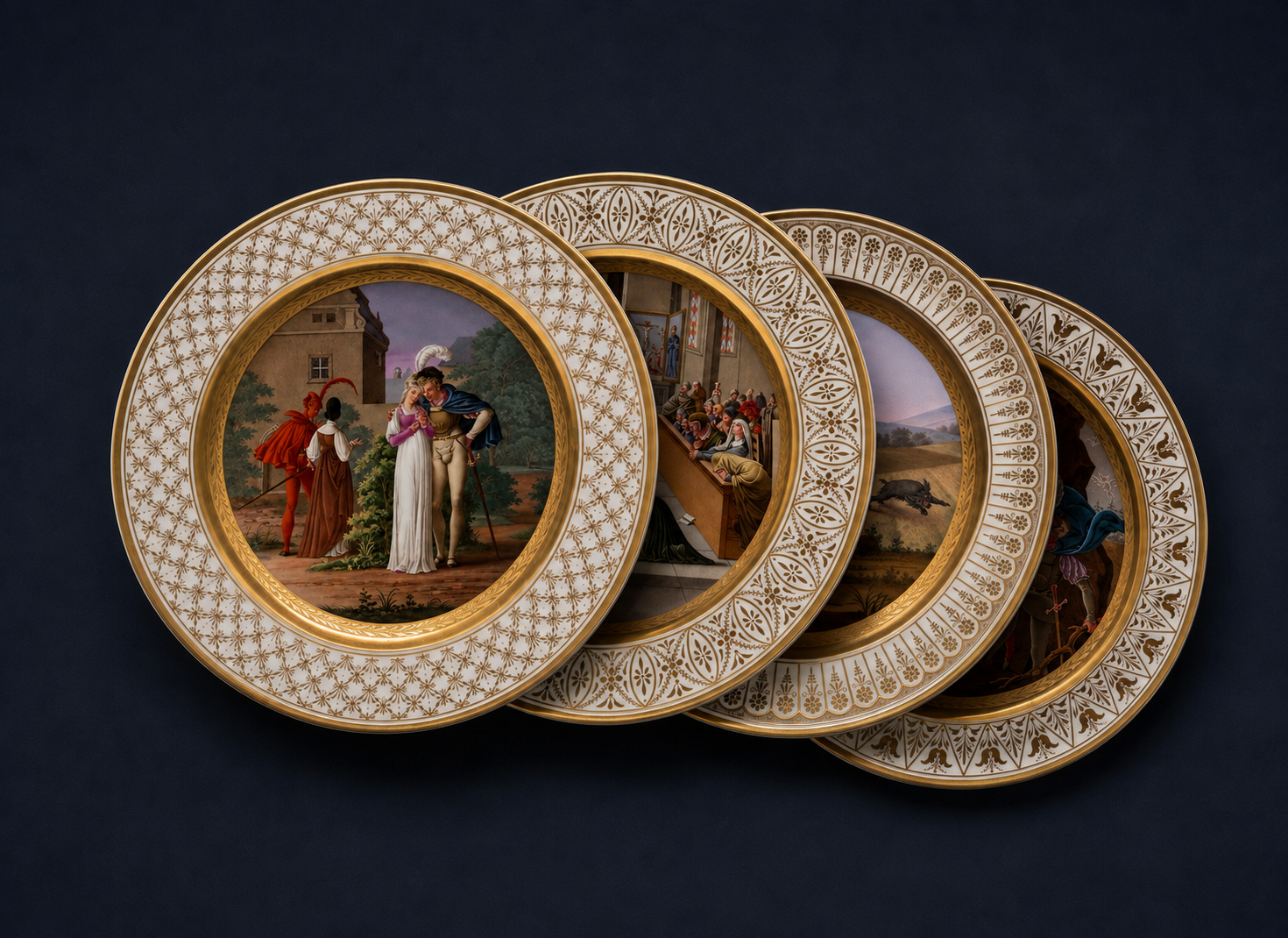
Faustian service
In 1821, the Prussian King Friedrich Wilhelm III commissioned the Royal Porcelain Manufactory to create a set of 24 plates featuring scenes from "Faust." The gift was intended for his cousin, Princess Louise, for the premiere of a musical production written by her husband, Prince Antoni Radziwiłł, who was inspired by Johann Wolfgang von Goethe's tragedy. The designs for the paintings were taken from Moritz Retzsch's illustrations, which were published in 1816 and spread throughout Europe. Thus, the tragedy of selling one's soul found its way to the dining table.
History
8 questions
2
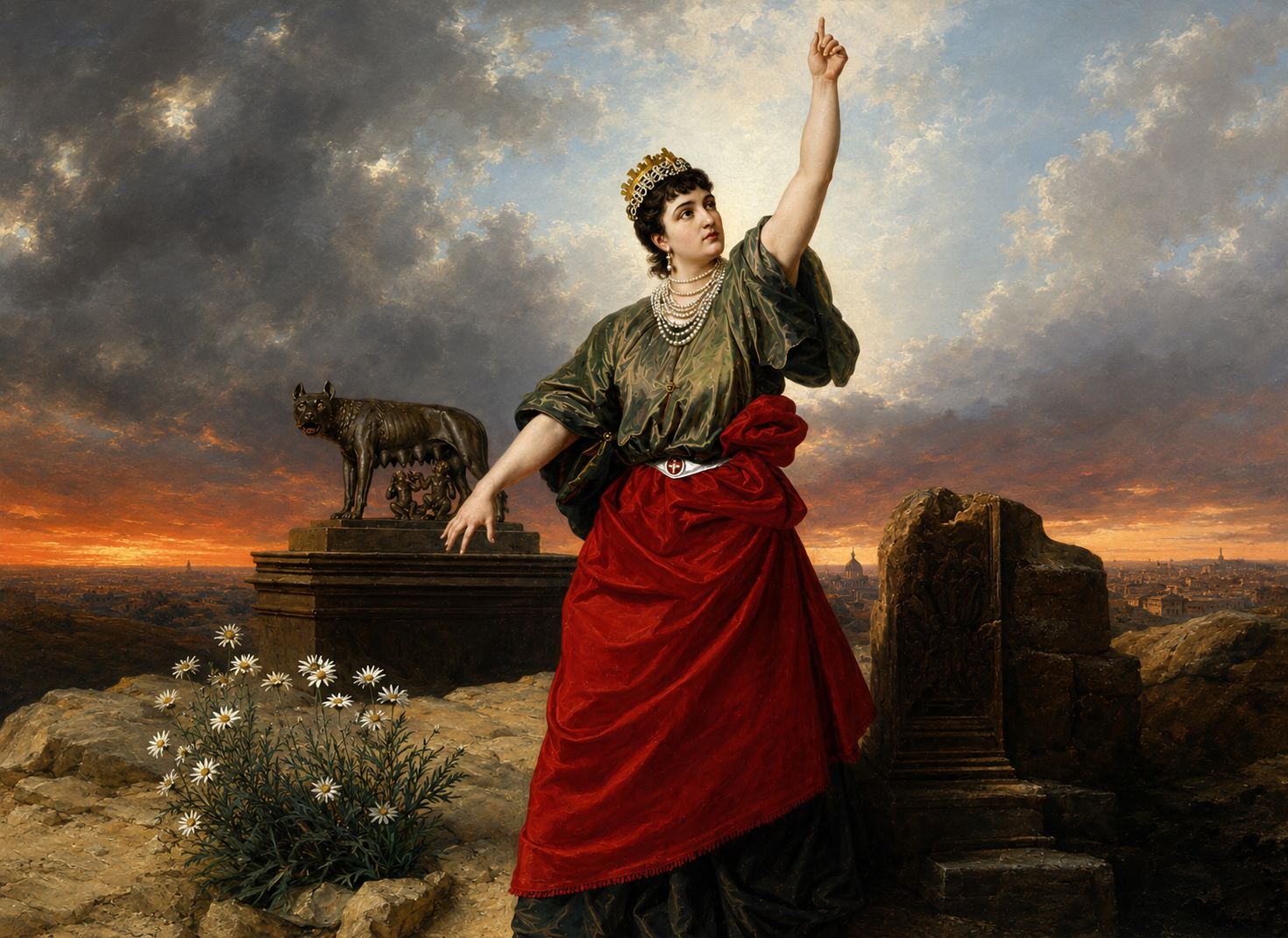
Who would you unite Italy for?
Risorgimento, that is, the unification of Italy into a single national state, was one of the key events in European history of the 19th century. However, Italian unity was interpreted in different ways. Some proposed a unitary monarchy, others a republic, while others saw the future in a federation, and everyone debated the boundaries of the secular and spiritual authority of the Pope. Answer eight questions and find out which of the projects is closer to you.
History
8 questions
2
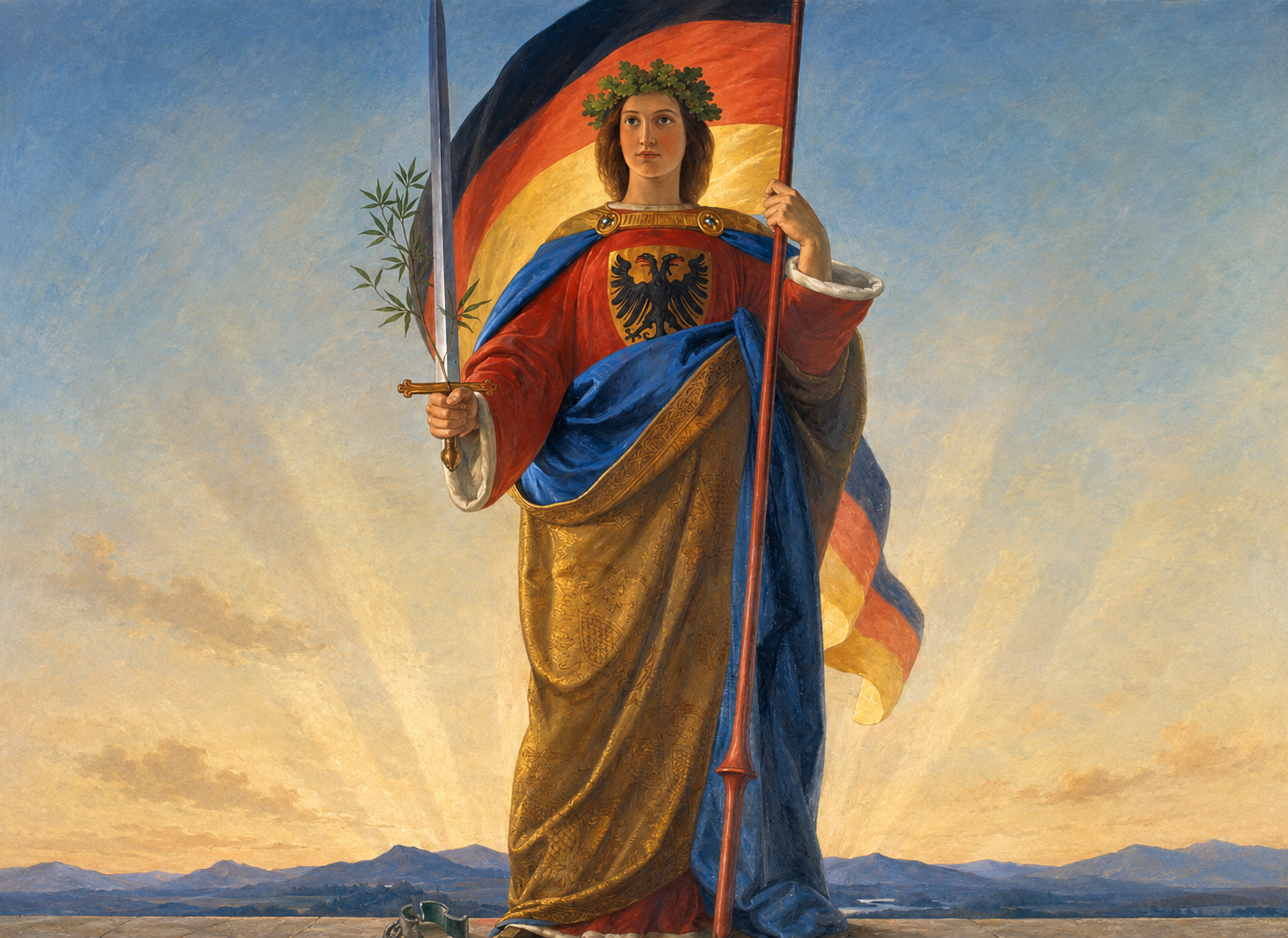
Who would you unite Germany for?
In the 19th century, the "German Question" was one of the central issues in European politics. How would you like to see a united country: as a centralized military-bureaucratic power, a federation of autonomous principalities, a liberal parliamentary monarchy, or a union of trading republics? There are no correct answers here. Only your political instincts, along with a bit of history and geography.
Art
1
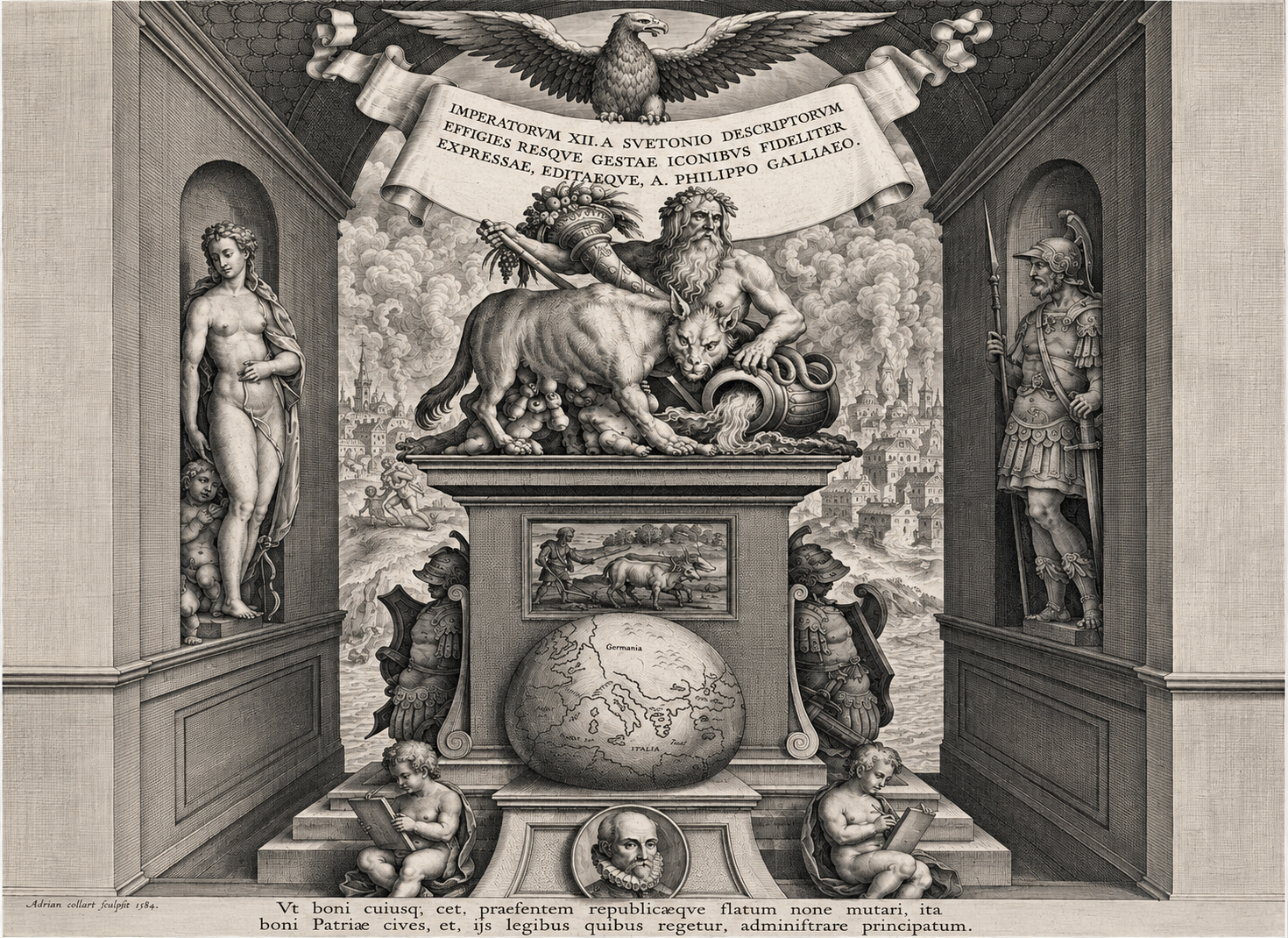
"The Twelve Caesars" by Adrian Collaert: Roman Emperors in 16th Century Engravings
Between 1587 and 1589, the Flemish engraver Adrien Collaert was inspired by the ancient treatise "The Lives of the Twelve Caesars" by the historian Suetonius, which tells the stories of the first rulers of the Roman Empire: from the Julio-Claudian dynasty through the "Year of the Four Emperors" to the Flavian dynasty. Collaert created a gallery of equestrian portraits of Roman emperors, which you can admire in our Kunstkamera!
History
2
The Habsburgs, Germany, and the End of the Holy Roman Empire
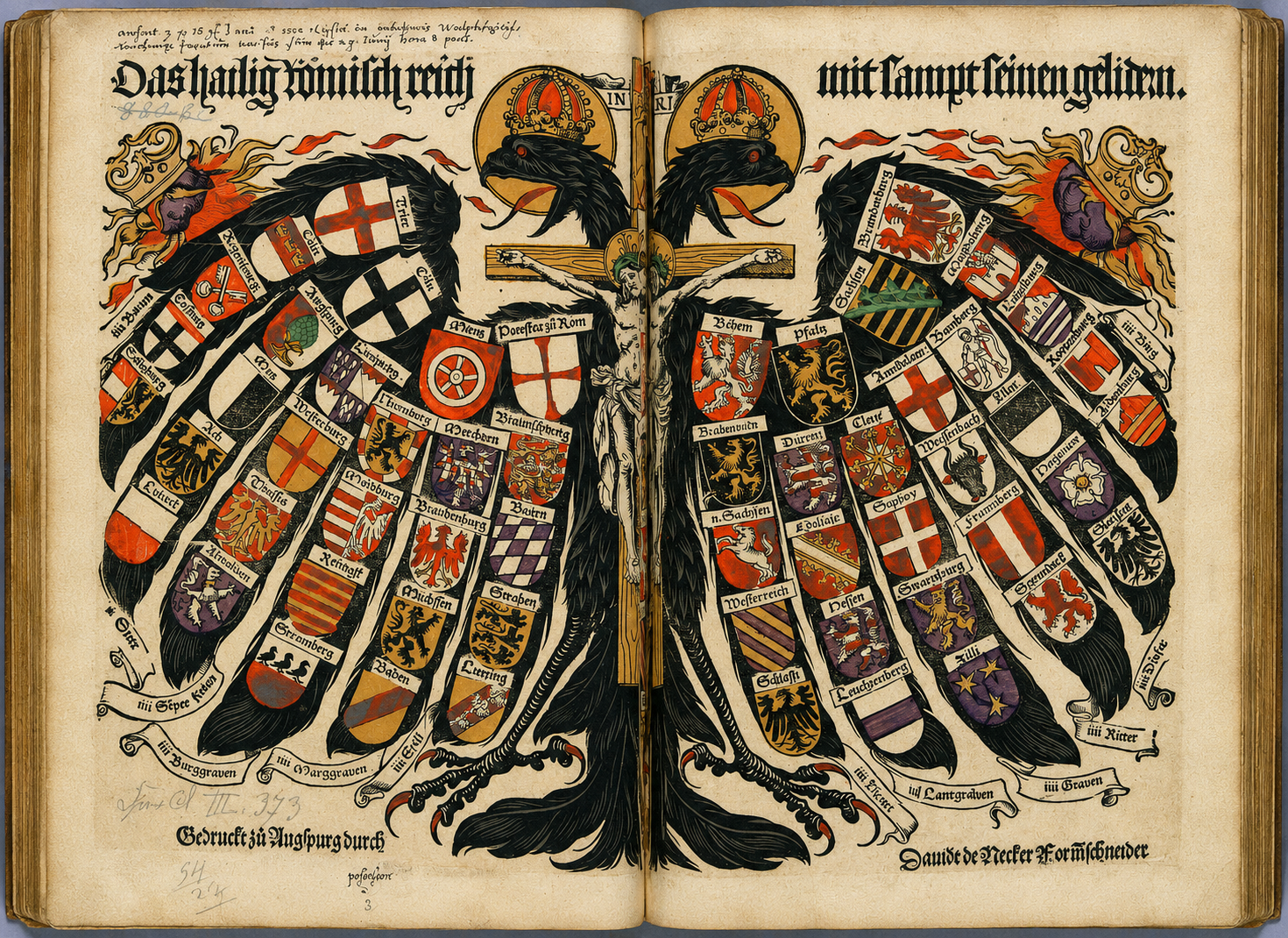
The Holy Roman Empire was one of the most unusual state formations in European history. Contemporaries struggled to explain how this state was organized, and Voltaire ironically remarked that it was neither holy, nor Roman, nor an empire. Starting with the War of the Austrian Succession, the empire became an arena of rivalry between Austria and Prussia, but its final verdict was delivered by France in the person of Napoleon. Read about the decline of the Holy Roman Empire in the article by Ramazan Urusov!
Literature
4
"Wolf Cub": A Novella That Hasn't Been Read for One Hundred and Twenty Years (16+)
Misty autumnal Petersburg. A well-fed artist, in love with the beauty of the city, encounters a homeless boy—hungry, proud, bristling like a wolf cub. The boy asks, "Take me with you." Out of whim and curiosity, the artist takes him—partly as a servant, partly as a picturesque "model." Behind the anecdote of the meeting of two worlds, the well-fed and the destitute, lies a bitter question: can a wolf cub be tamed, and what will this endeavor cost both of them?
Themes of the day
Special materials
3
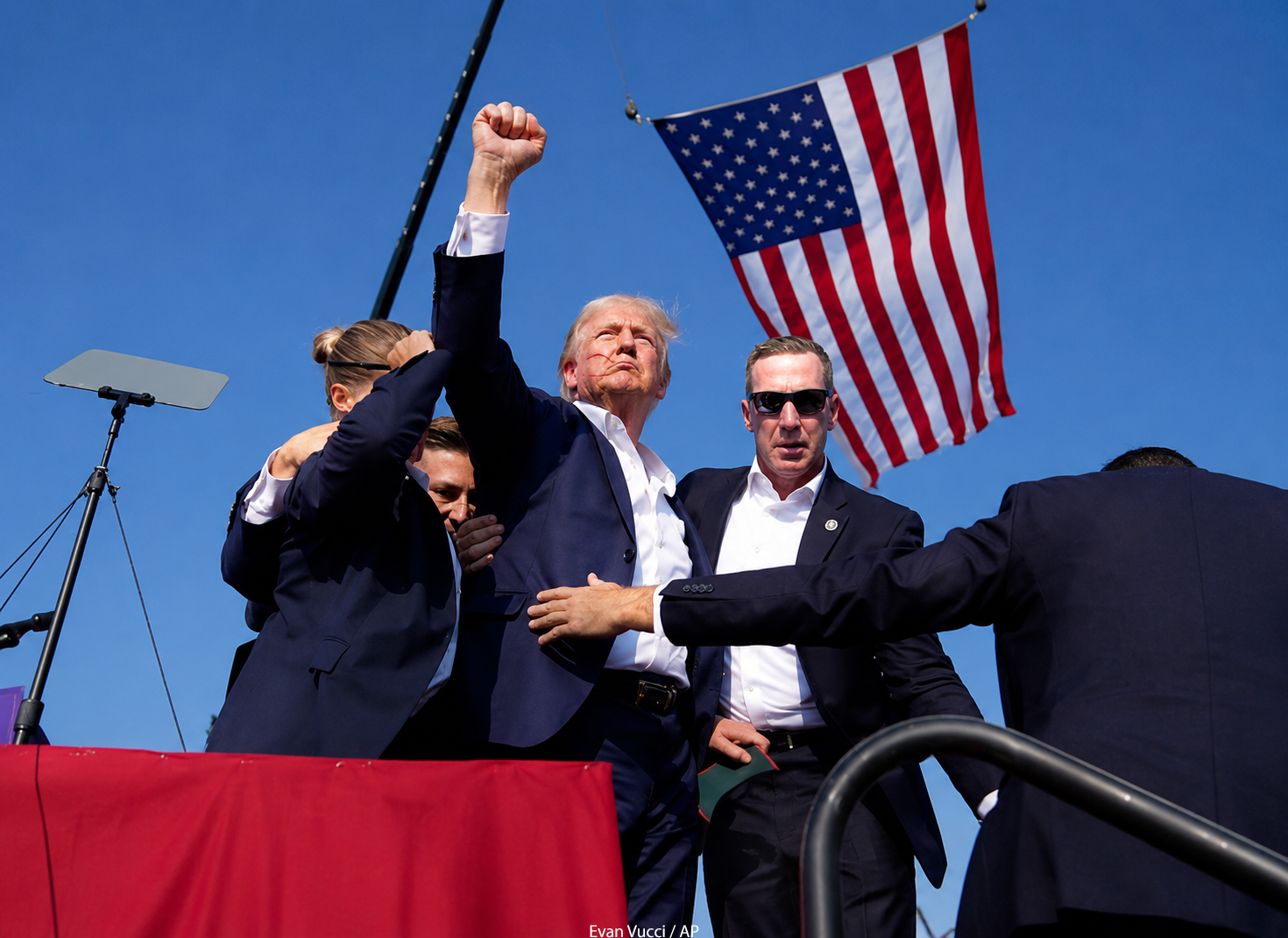
Trumpiad: The Electoral Odyssey of Donald Trump (1987-2024)
Americanist Pavel Dubravsky analyzes the phenomenon of Donald Trump: from his first steps in big business to his return to the White House despite defeat, criminal cases, and two assassination attempts. What principles and strategies transformed a man with no political experience into a figure who rewrote the rules of American politics? A course on the character, mistakes, and decisions that made Trump who he is, and on which of these lessons work far beyond politics.
4
"Wolf Cub": A Novella That Hasn't Been Read for One Hundred and Twenty Years (16+)
Misty autumnal Petersburg. A well-fed artist, in love with the beauty of the city, encounters a homeless boy—hungry, proud, bristling like a wolf cub. The boy asks, "Take me with you." Out of whim and curiosity, the artist takes him—partly as a servant, partly as a picturesque "model." Behind the anecdote of the meeting of two worlds, the well-fed and the destitute, lies a bitter question: can a wolf cub be tamed, and what will this endeavor cost both of them?
5
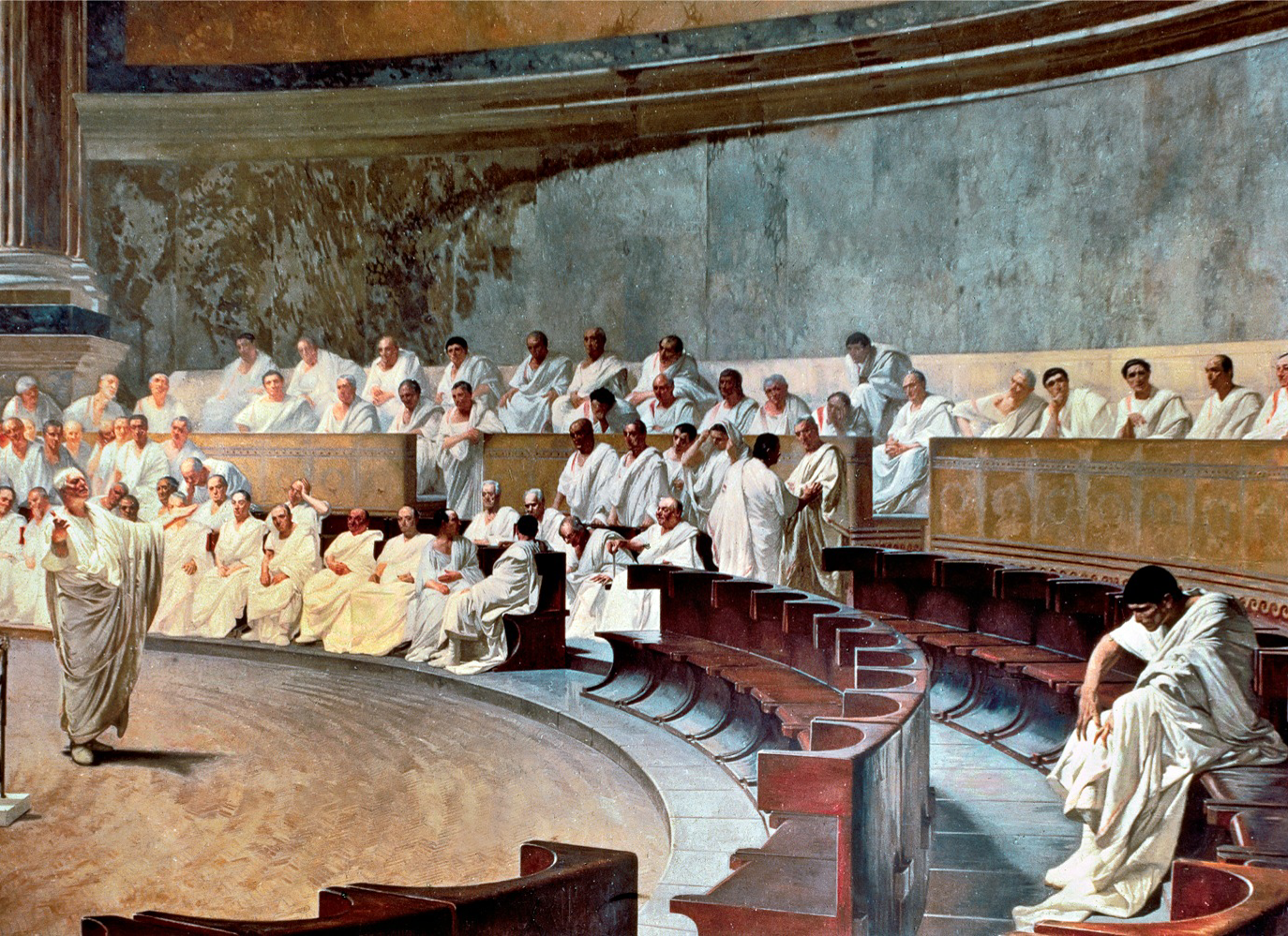
Rome: From Republic to Empire
The specialist in Roman history of Antiquity, Nikita Tsybikov, suggests tracing the political history of Rome from the first symptoms of the crisis of the republican model in the second half of the 2nd century BC to the decline of the rule of the first dynasty of emperors from the Julio-Claudian family in the second half of the 1st century AD.
4
Parties of the Weimar Republic
The history of the Weimar Republic is inextricably linked with the history of political parties. Like the republic itself, these parties did not appear out of nowhere and did not disappear into oblivion. The roots of most of them lay in the Kaiserreich, and after a 12-year Nazi hiatus, most were reestablished or served as the foundation for the creation of new parties that defined the political life of both German states in the second half of the 20th century.