History
History is a quiet light breaking through the thickness of centuries, where every event is like an imprint of human will on the sands of time. It preserves the echo of the Fall of Constantinople, when one world gave way to another, and remembers the boldness of the Age of Discovery, which opened horizons once only dreamed of.
It absorbs the whisper of forgotten civilizations and the roar of great transformations, where behind every decision lie the destinies of peoples and choices that changed the course of time. Into its fabric are woven both triumphs and downfalls—from the flourishing of empires to their inevitable decline—reminding us that nothing is eternal except the movement forward itself.
Articles
2
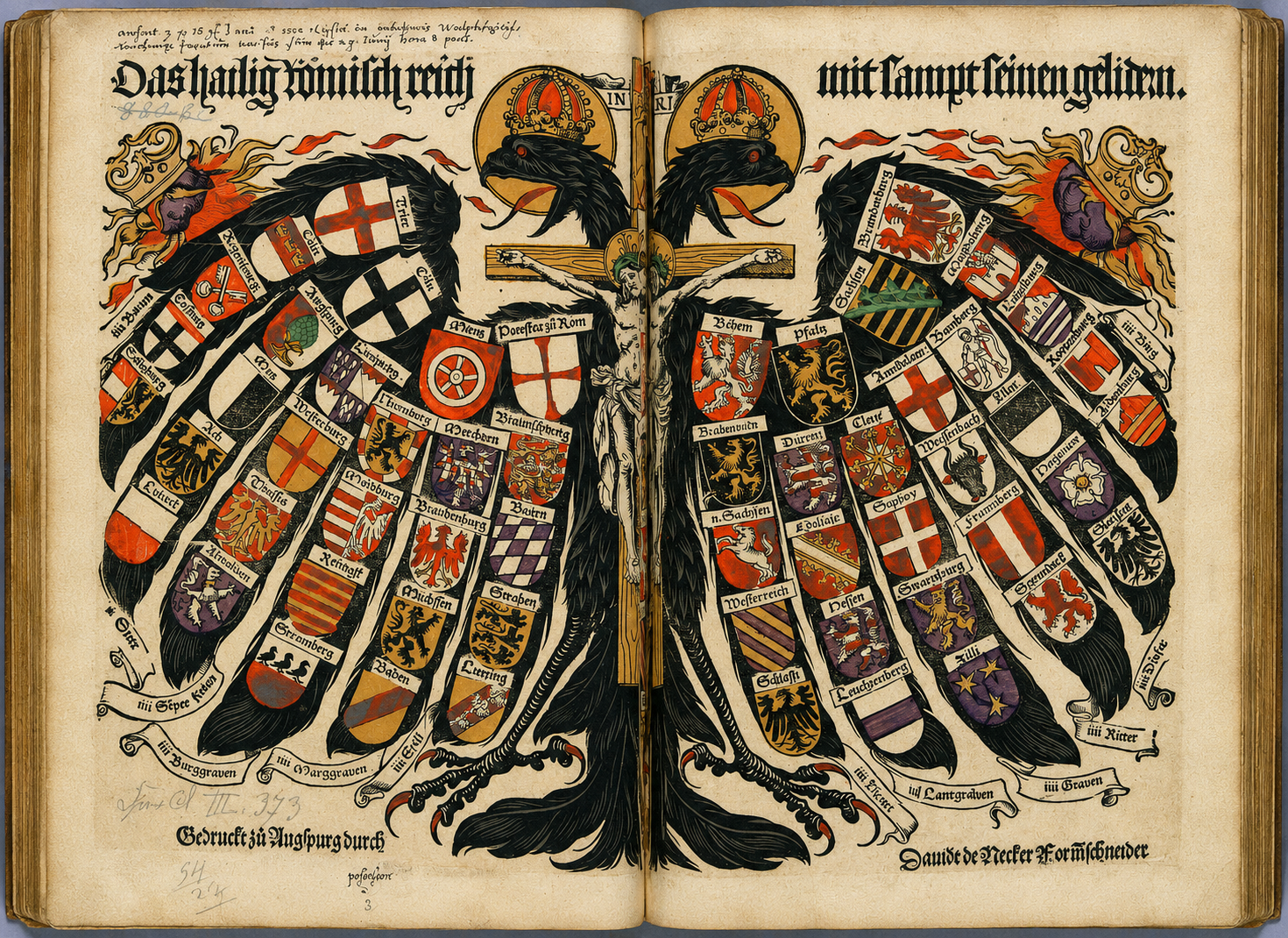
The Habsburgs, Germany, and the End of the Holy Roman Empire
The Holy Roman Empire was one of the most unusual state formations in European history. Contemporaries struggled to explain how this state was organized, and Voltaire ironically remarked that it was neither holy, nor Roman, nor an empire. Starting with the War of the Austrian Succession, the empire became an arena of rivalry between Austria and Prussia, but its final verdict was delivered by France in the person of Napoleon. Read about the decline of the Holy Roman Empire in the article by Ramazan Urusov!
4
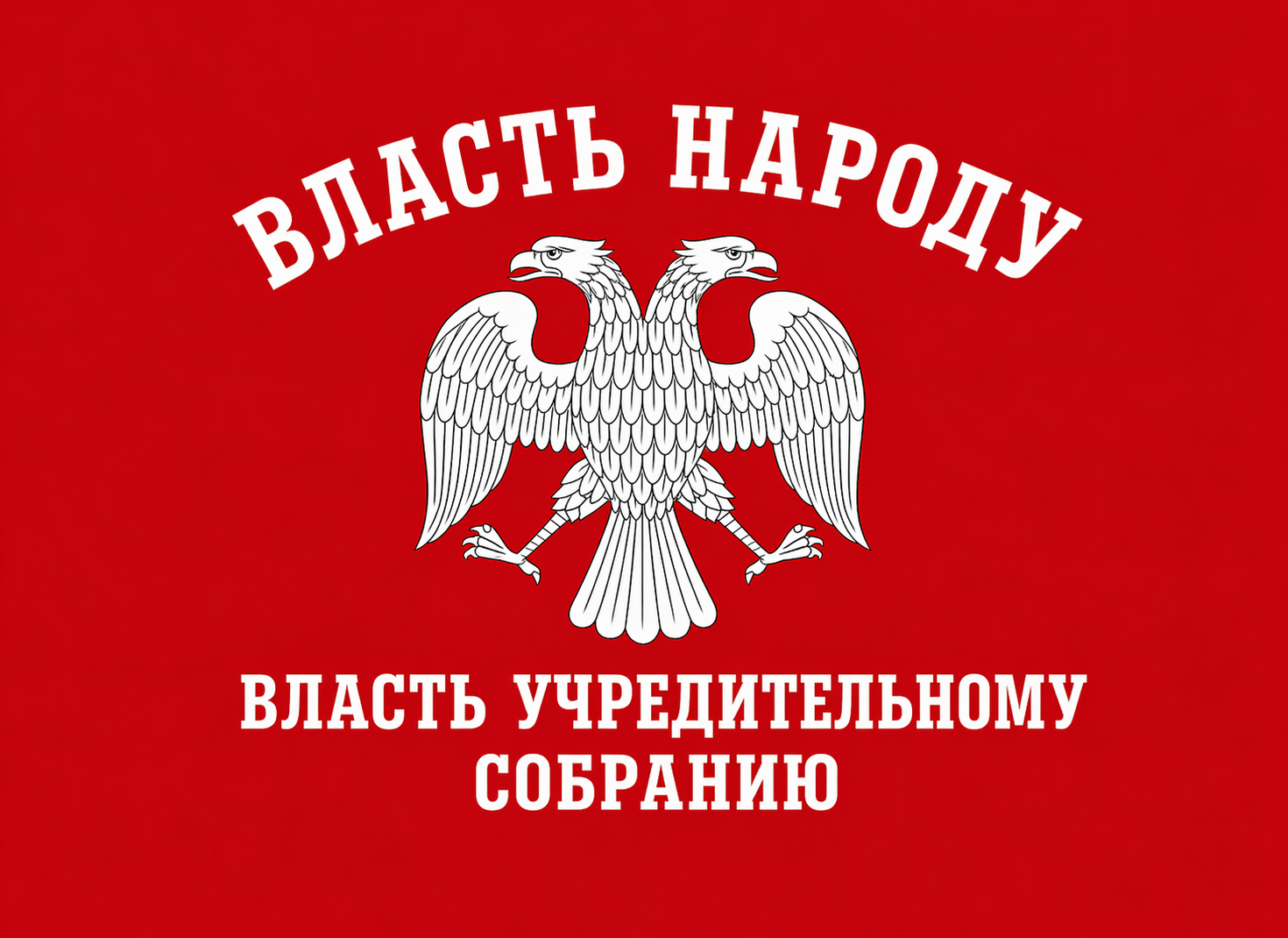
Under the Red Flag Against the Bolsheviks: The History of KOMUCH
In the popular consciousness, the central conflict of the Russian Civil War is the confrontation between the "Reds" and the "Whites." However, in the summer of 1918, socialists—the SRs—formed Komuch and were at the forefront of anti-Bolshevik resistance in eastern Russia. Read about its history in the article by historian Said Zalyaev.
2
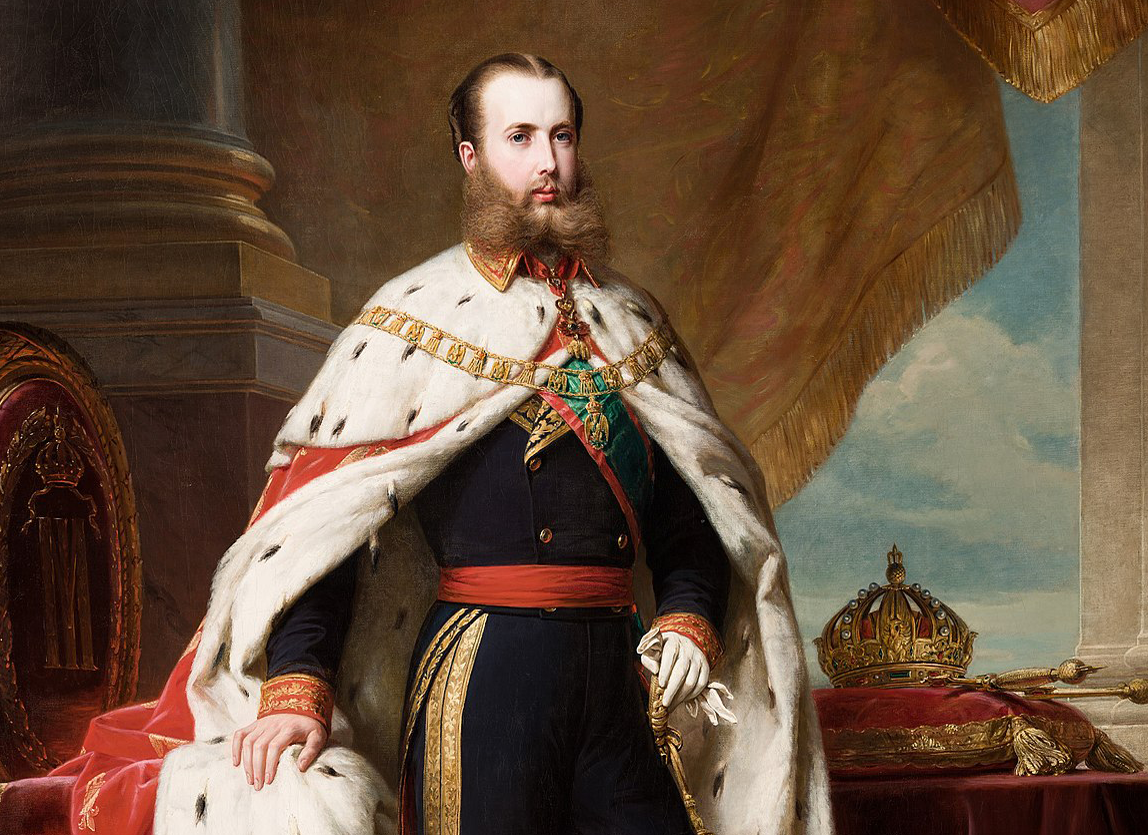
The Adventures of the Habsburgs in Mexico or the Rise and Fall of the Second Mexican Empire
In the 1860s, a curious political experiment was undertaken in Mexico: a representative of the Habsburg dynasty, with the support of France, ascended the throne of the restored Mexican Empire to reconcile the rival factions of conservatives and liberals. How this became possible and what it led to — read in the article by Arseniy Troparovsky.
4
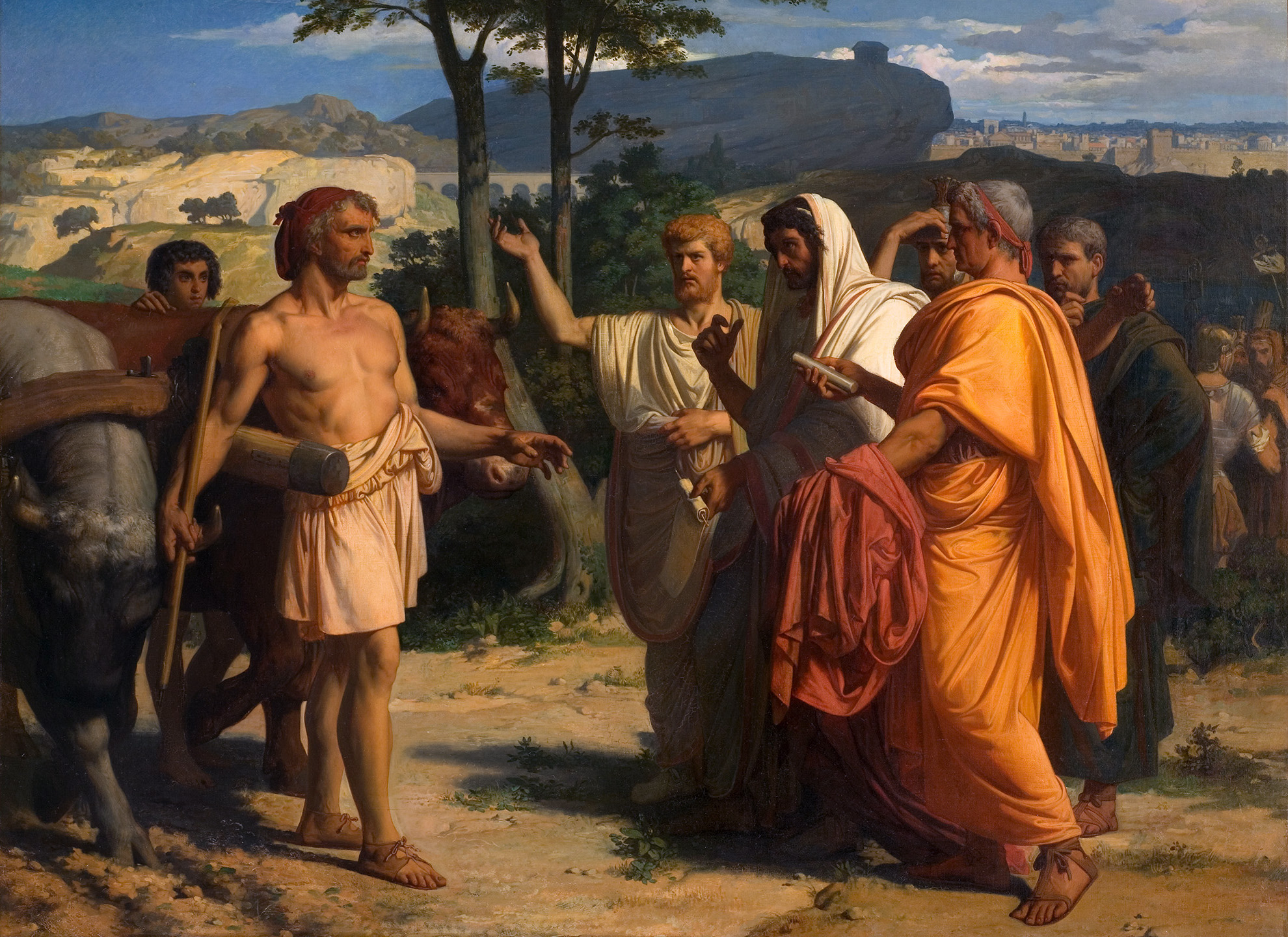
Dictatorship in Ancient Rome
The modern reader is likely to perceive the term "dictatorship" as synonymous with the words "despotism" and "tyranny," recalling the notorious regimes of the 20th century. However, for the Romans, this term was associated with entirely different things. To learn about how the Romans perceived dictatorship, how it functioned, and how it changed over time, read the article by historian Nikita Tsybikov.
4
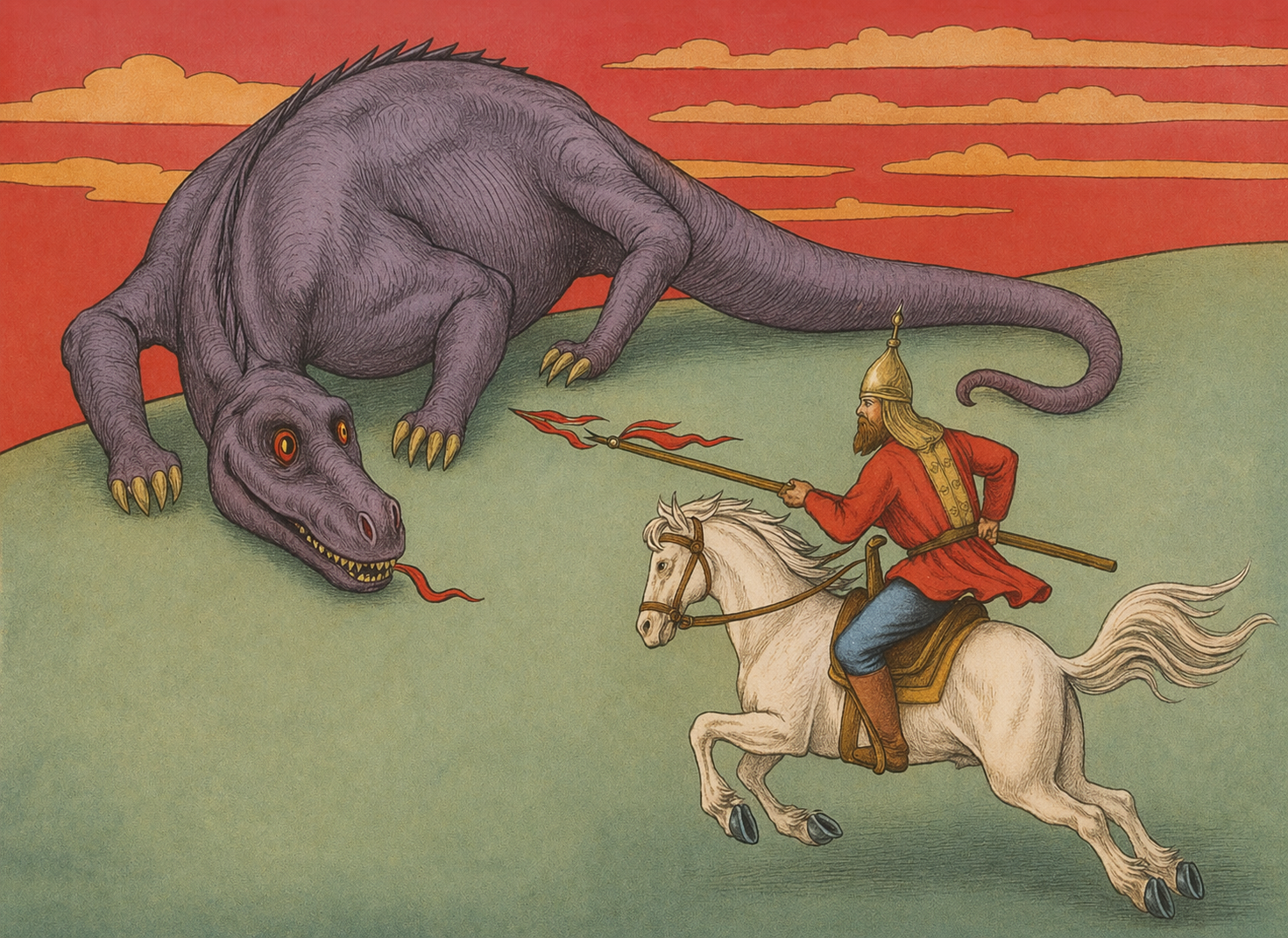
The Alphabet of Hatred: How the Political Language of the Revolution Influenced the Start of the Civil War
In 1917, the political lexicon became an integral part of social conflict. It turned out that different groups interpreted the same terms differently: "democracy," "people," "bourgeoisie." How the language of the revolutionary era gradually turned into the alphabet of hatred for the impending civil war is discussed in the article by historian Konstantin Tarasov.
4
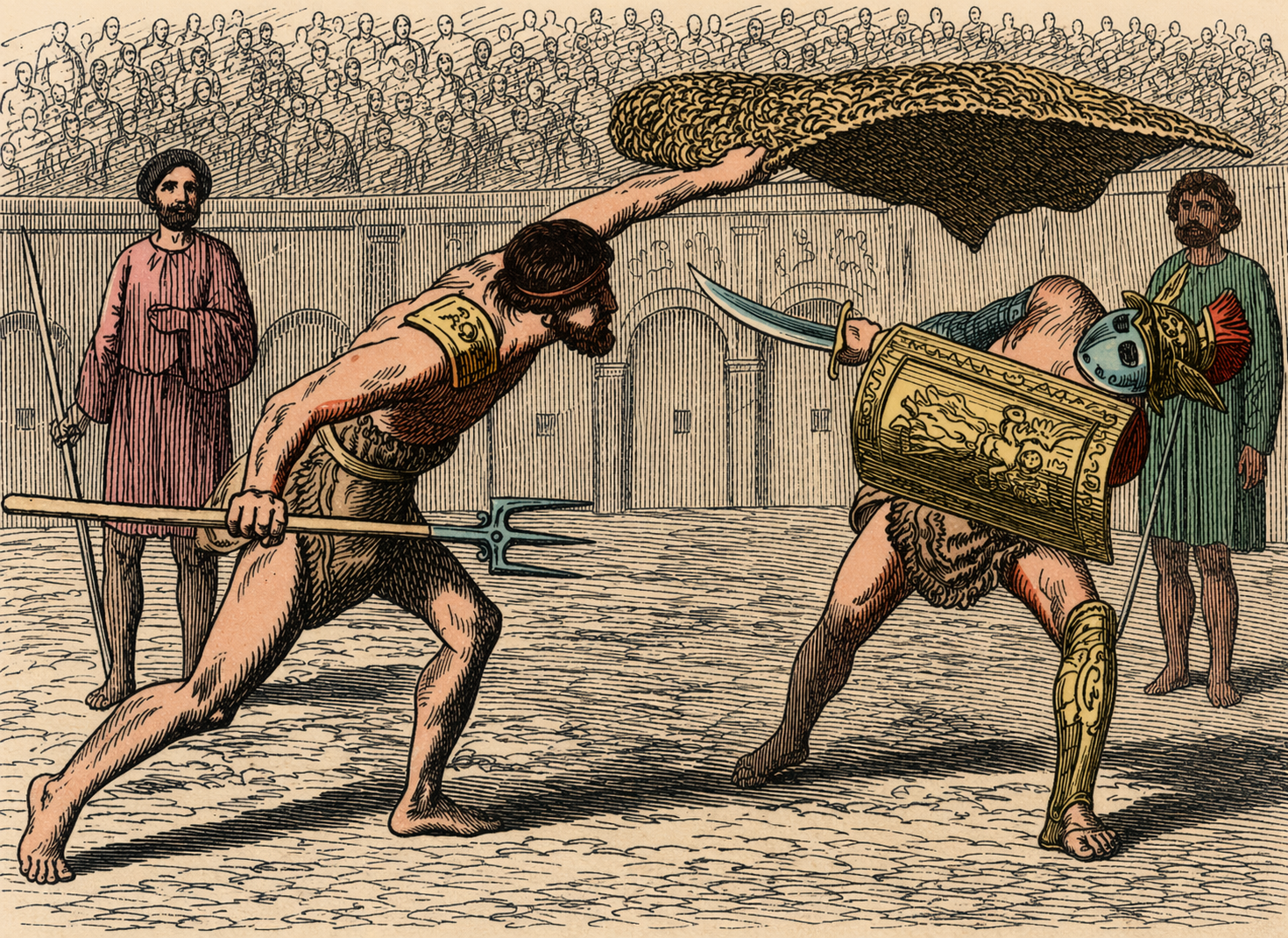
Gladiatorial games and Roman emperors
Gladiator fights are one of the most well-known attributes of ancient Roman civilization. In his material, historian Danil Golovin explains how the pagan emperors of Rome used gladiators to strengthen their own legitimacy, and how their Christian successors banned these bloody spectacles.
3
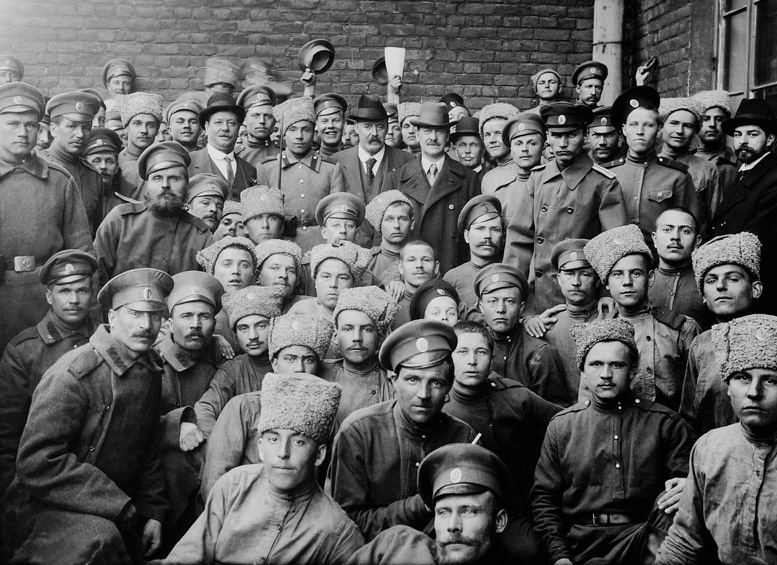
Volunteer and Revolutionary: An Attempt to Save the Russian Army in 1917
In 1917, the Russian army found itself in a deep crisis. In the context of the ongoing war, unconventional methods were needed to revive the military spirit. Thus, the concept of a volunteer revolutionary army emerged, which was intended to inspire the mobilized troops and eventually replace them with volunteers. To find out how this experiment ended, read the article by historian Konstantin Tarasov.
5
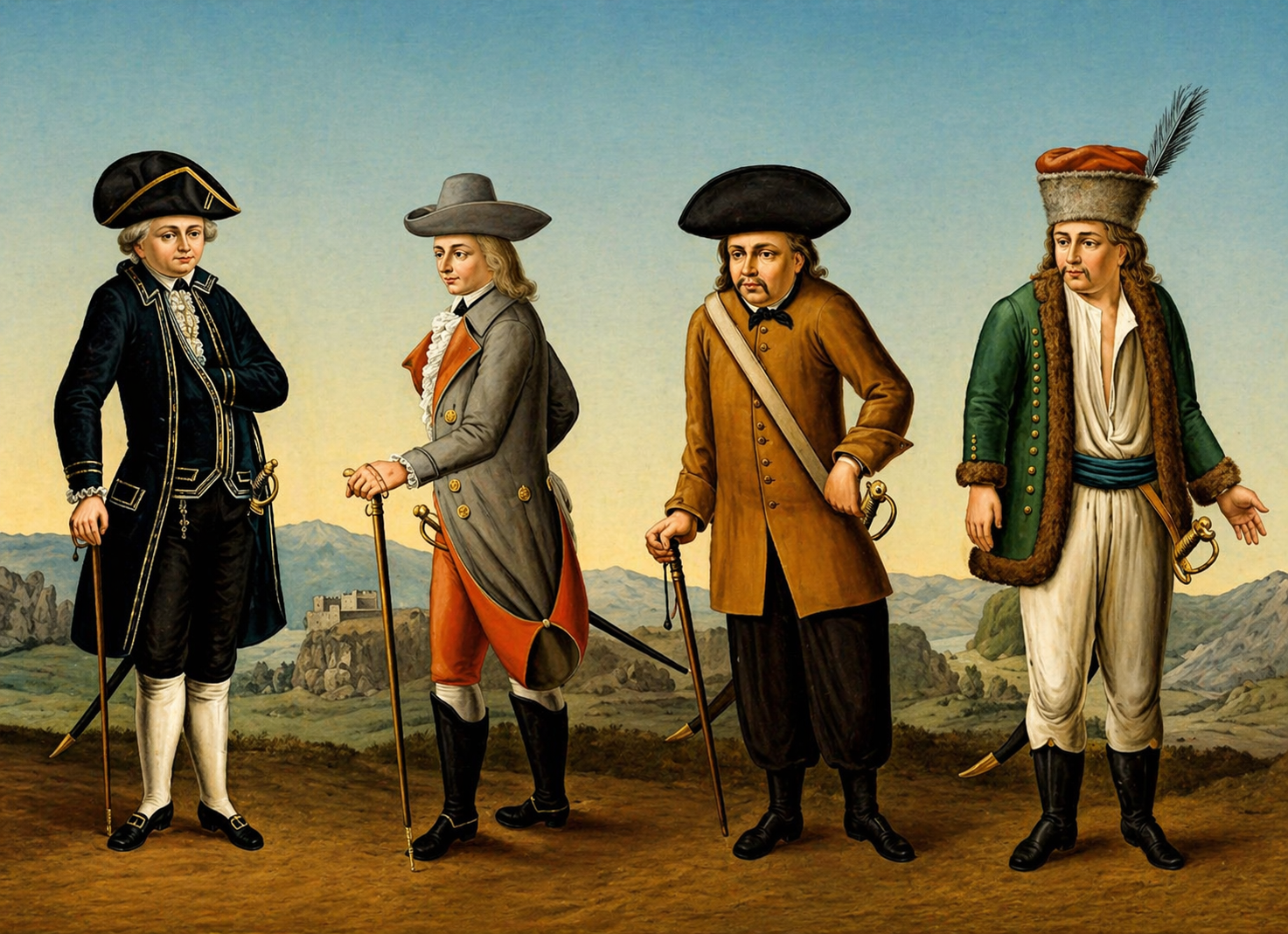
Imagology: A History of the Discipline
Imagology is a young academic discipline that studies how images of "other" ethnic and national communities are created, function, and are interpreted. Read historian Olga Berezina's article to learn about the origins of imagology and the differences between Western and Russian approaches to this discipline.
Courses
6
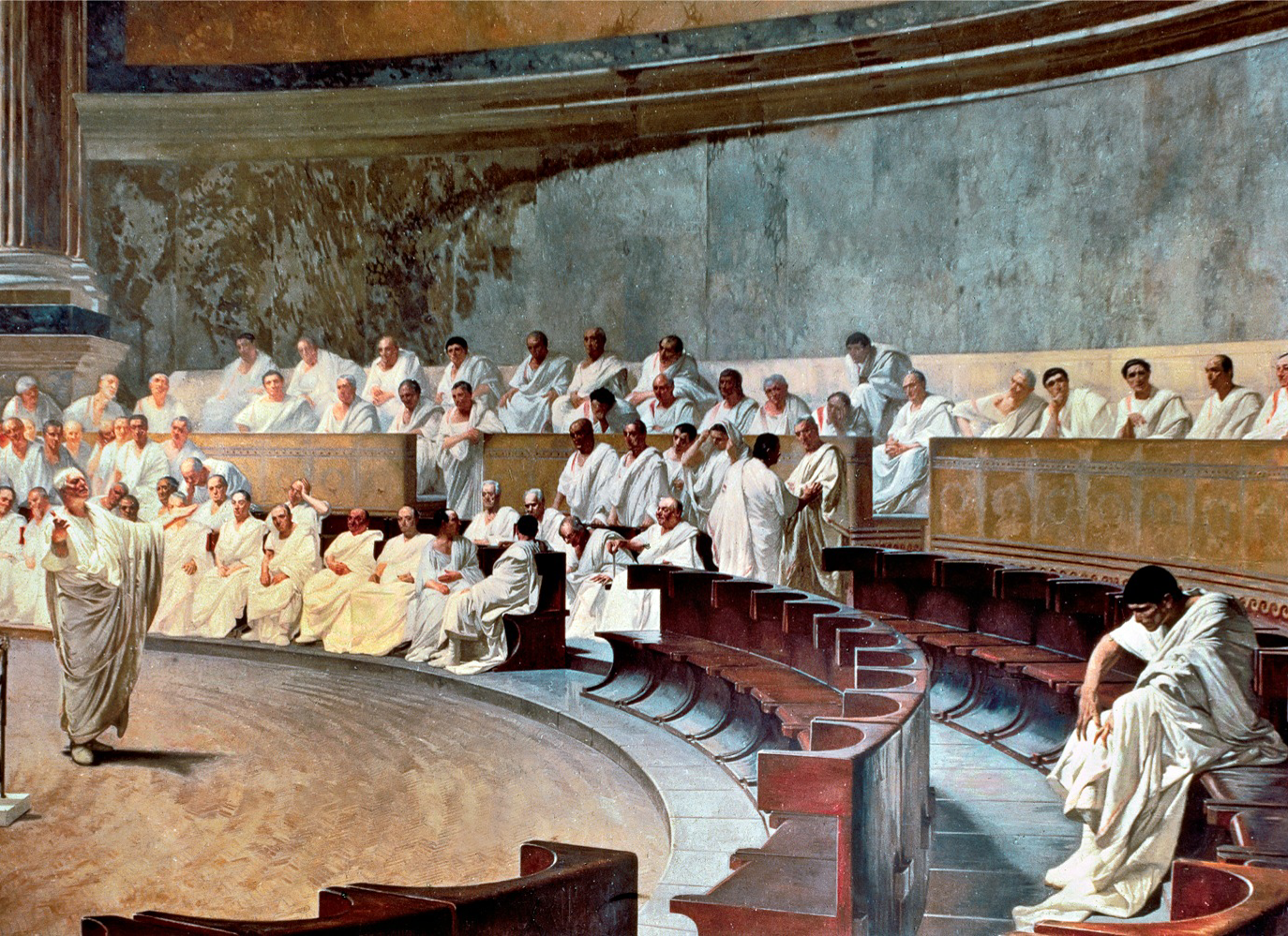
Rome: From Republic to Empire
The specialist in Roman history of Antiquity, Nikita Tsybikov, suggests tracing the political history of Rome from the first symptoms of the crisis of the republican model in the second half of the 2nd century BC to the decline of the rule of the first dynasty of emperors from the Julio-Claudian family in the second half of the 1st century AD.
Tests
8 questions
2
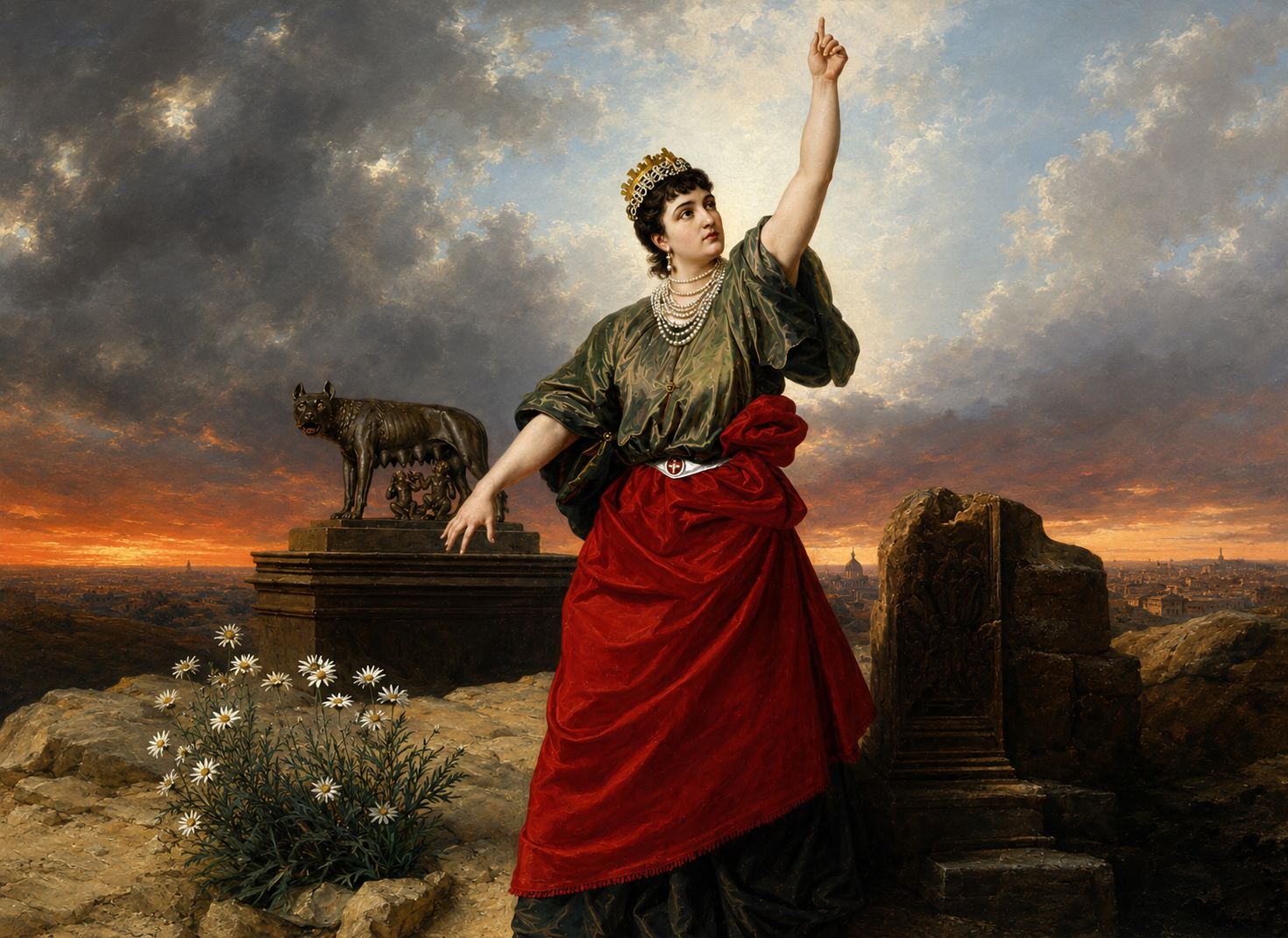
Who would you unite Italy for?
Risorgimento, that is, the unification of Italy into a single national state, was one of the key events in European history of the 19th century. However, Italian unity was interpreted in different ways. Some proposed a unitary monarchy, others a republic, while others saw the future in a federation, and everyone debated the boundaries of the secular and spiritual authority of the Pope. Answer eight questions and find out which of the projects is closer to you.
8 questions
2
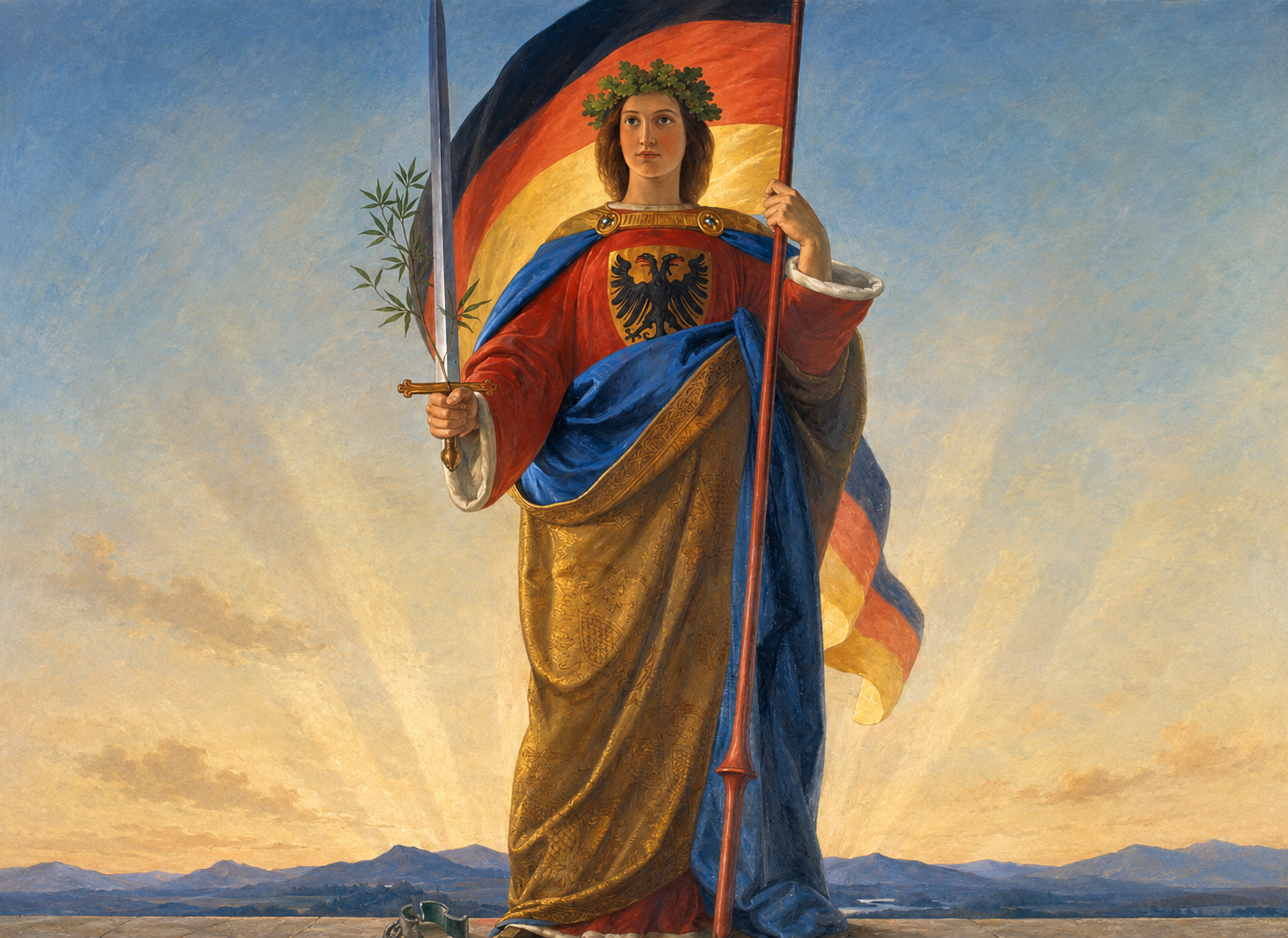
Who would you unite Germany for?
In the 19th century, the "German Question" was one of the central issues in European politics. How would you like to see a united country: as a centralized military-bureaucratic power, a federation of autonomous principalities, a liberal parliamentary monarchy, or a union of trading republics? There are no correct answers here. Only your political instincts, along with a bit of history and geography.
10 questions
1
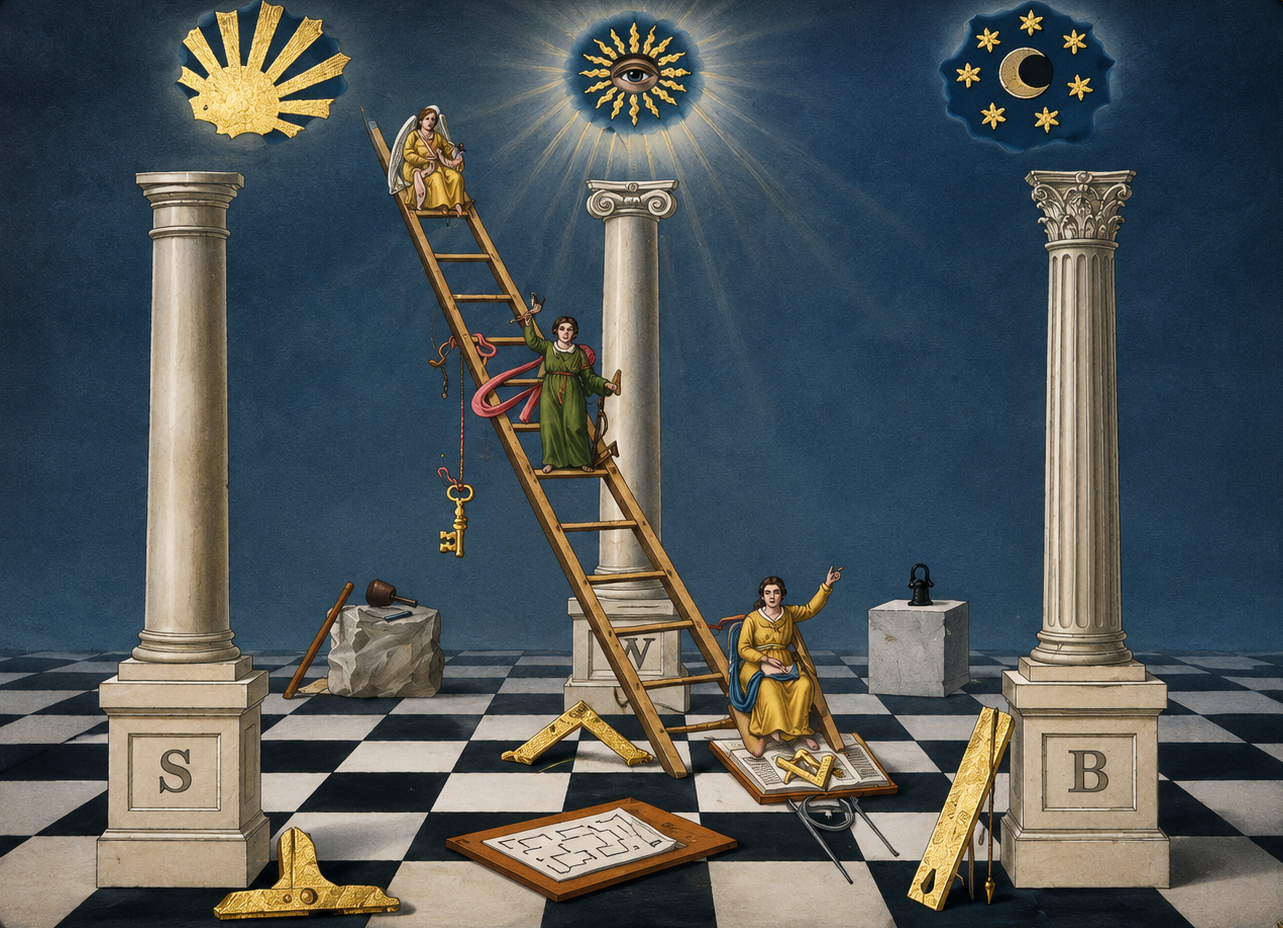
Would you believe Barruel? A test on French Freemasonry.
In 1797, the former Jesuit Abbot Barruel published four volumes in London and explained the French Revolution as a conspiracy of philosophers, masons, and Bavarian Illuminati. His interpretation of events is still read today. The trick is that some of his plots are confirmed by documents, while others he invented himself, and they sound equally convincing. Here are ten statements about lodges and the revolution. Separate truth from fiction and find out if you would have believed the abbot.
10 questions
3
Конец века по-русски: тест о 1905-м
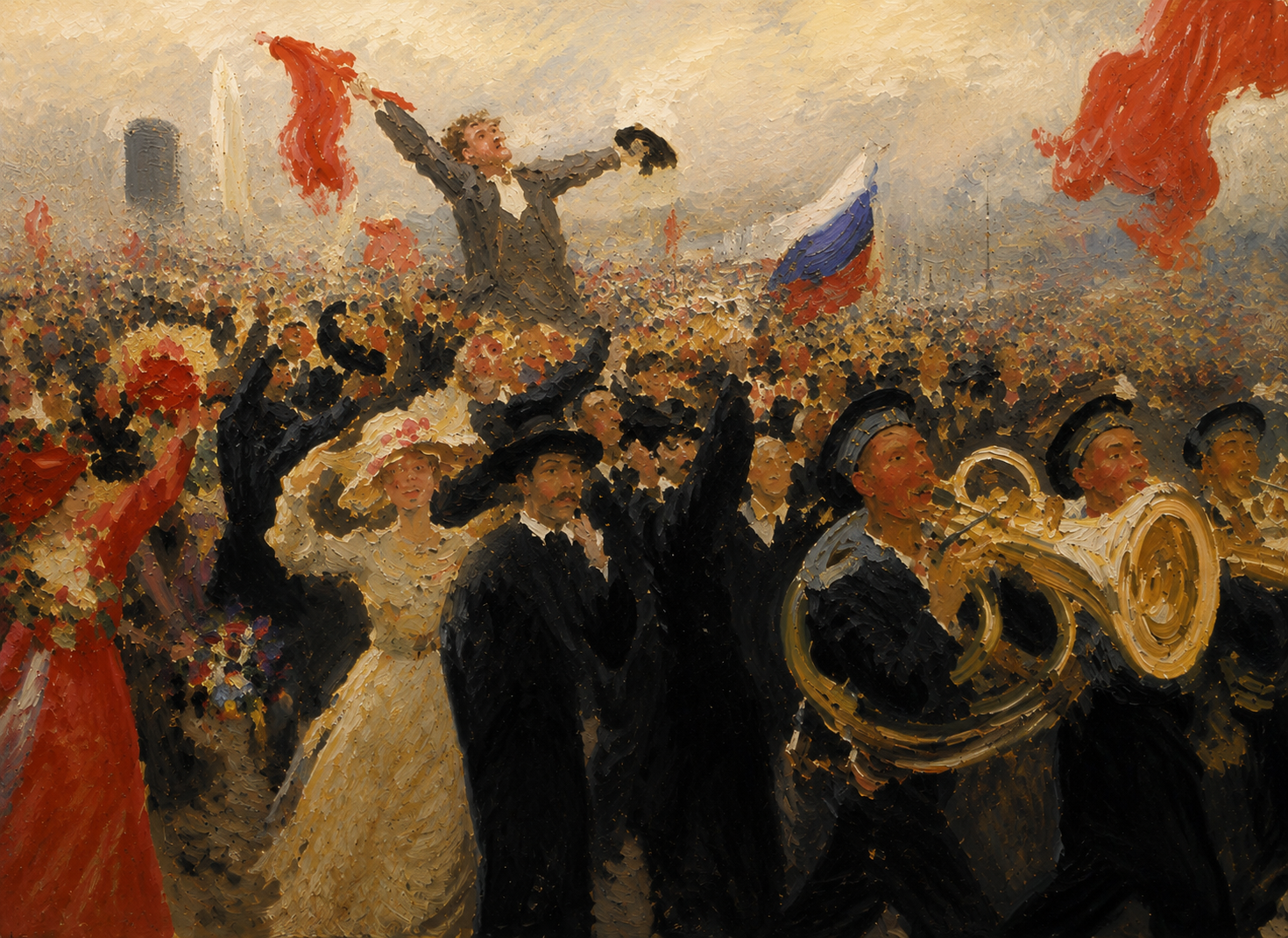
If the Russian fin de siècle had a face, it would be the year 1905. We know it by Bloody Sunday, the battleship Potemkin, and the October Manifesto. But this year was broader than its symbols: behind each familiar image lies another story, about people whom history preferred to forget, about the price that is not customary to count, and about memory that is difficult to distinguish from myth. Take the test and find out if you know the real 1905—or just its textbook portrait.
8 questions
5
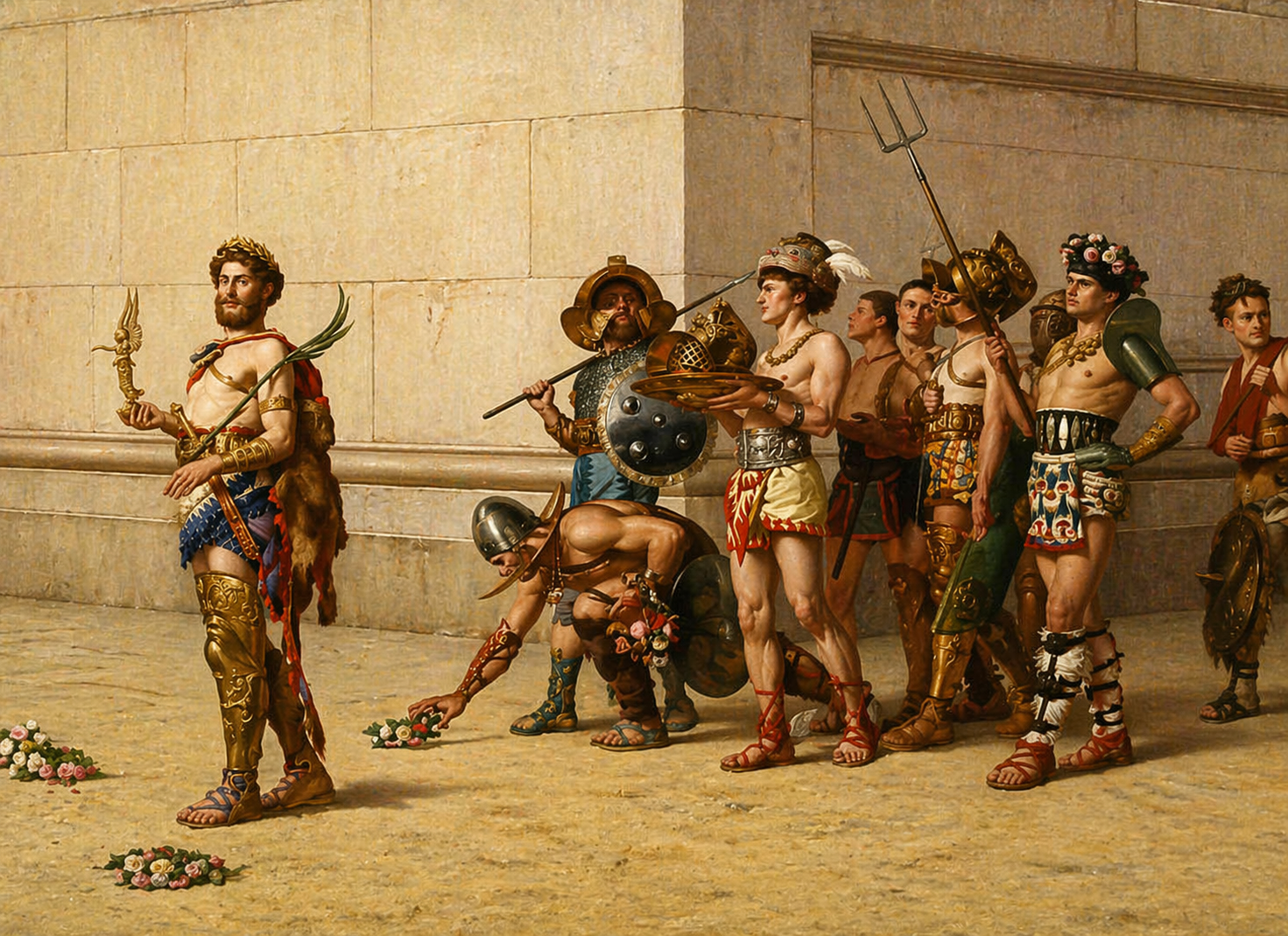
What kind of gladiator are you?
Gladiators became one of the symbols of Ancient Rome. Answer eight questions and find out which type of arena warrior suits you best!