Philosophy

Danila Frolov
Author of the Telegram channel “Cantate Domino”
00:00
С приходом на папский престол Льва XIV в церковный дискурс вернулась тема, которую при Франциске обсуждали лишь отдельные энтузиасты – какой вариант латинского обряда можно использовать и кому? Речь идет о чине мессы, существовавшем до реформ Павла VI, рекомендованных Вторым Ватиканским собором. Этот чин сформировался после Тридентского собора, был закреплен в 1570 году и с небольшими изменениями дошел до второй половины XX века. Его последняя редакция вышла в 1962 году – именно ее в обиходе называют Тридентской мессой или же Традиционной Латинской мессой (англ. Traditional Latin Mass, сокр. TLM).
В 1969 году ему на смену пришел Novus Ordo Missae (сокр. NO) за авторством Павла VI, который сегодня используется в большинстве католических приходов мира. Этот чин стал первой за несколько веков масштабной переработкой Римского обряда – не постепенной эволюцией, а фактически созданием нового чина «из пробирки». Реакция на него была отнюдь не однозначной. Посему вопрос, какой чин использовать и кому, оставался острым все время существования NO.
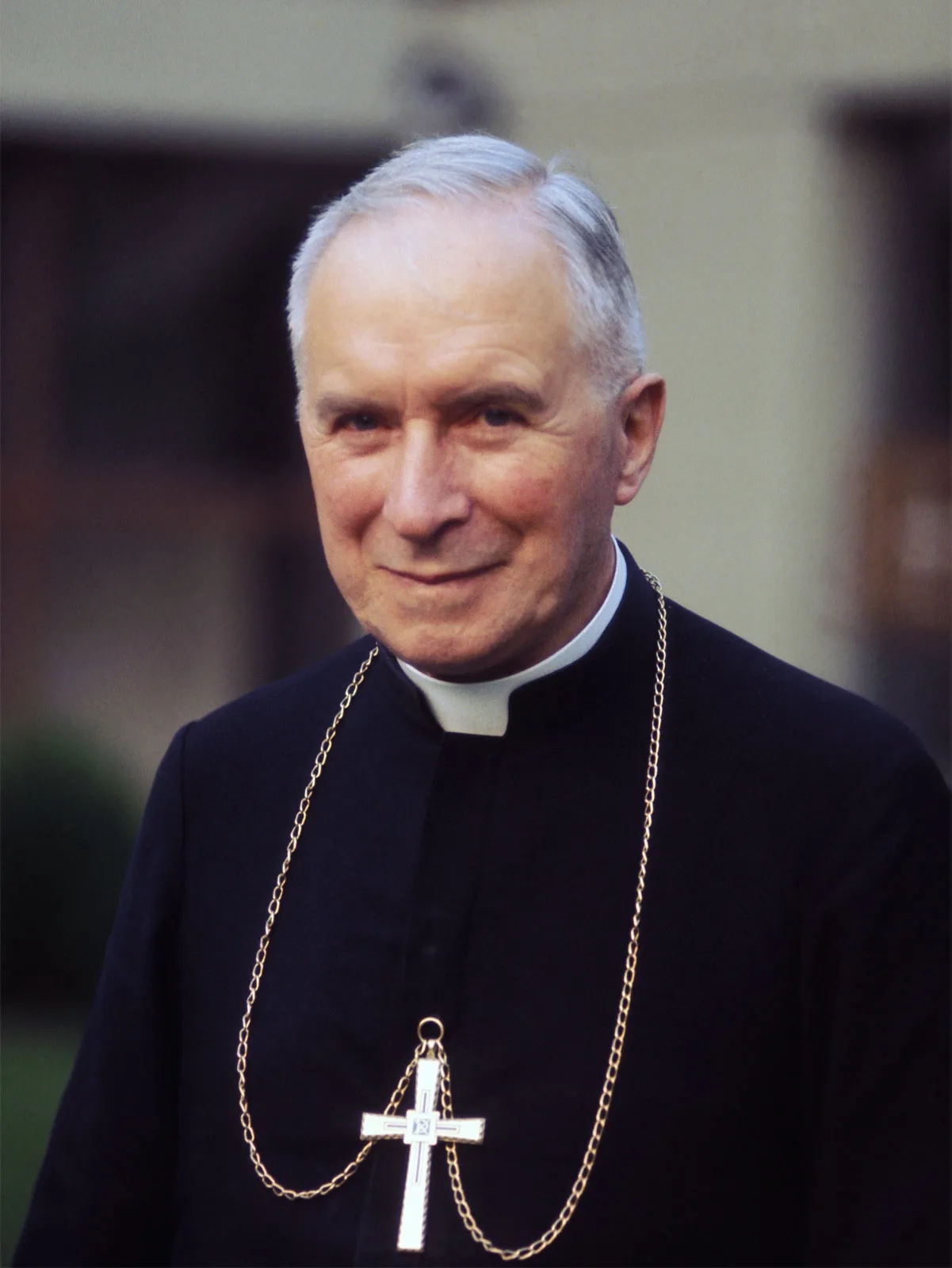
Сопротивление реформе возникло сразу. Ключевой фигурой считают архиепископа Марселя Лефевра, который вскоре после начала реформ основал Общество Святого Пия X (лат. Fraternitas Sacerdotalis Sancti Pii X, или FSSPX). Общество сразу взяло курс на консолидацию консервативного духовенства, оппозиционного реформе, которое нашло себе дом в городе Экон, на юго-западе Швейцарии. Пока Святой Престол повсеместно заменял старую мессу на новую, Лефевр собирал вокруг себя всех, кто с этим не соглашался. Напряжение между FSSPX и реформаторами нарастало в 1970-е и 1980-е годы, достигнув пика в 1988 году – тогда архиепископ без разрешения Ватикана рукоположил четырех новых епископов, за что вместе с ними оказался отлучен от Церкви. Впоследствии острое противостояние Ватикана и Общества сошло на нет, а епископы, кроме самого покойного Лефевра, были восстановлены в статусе.
После событий 1988 года Ватикан понял, что противники реформы никуда не денутся. Официальный подход стал более системным – была создана комиссия «Ecclesia Dei» по работе с приверженцами старой мессы, которые сохраняли лояльность Ватикану. Среди них было, например, Братство Святого Петра (лат. Fraternitas Sacerdotalis Sancti Petri, или FSSP), которое создали бывшие священники FSSPX, не согласные с действиями Лефевра. Папа Иоанн Павел II признал легитимность запроса традиционалистов, но стремился держать их в строго очерченных рамках.
В 2007 году Бенедикт XVI выработал компромисс, издав письмо под названием «Summorum Pontificum» – TLM и NO получили статус двух равноправных форм Римского обряда, а священники получили автономию в выборе между ними в зависимости от нужд прихода:
«В приходах, где стабильно существует группа верных, преданных предшествующей литургической традиции, настоятель пусть охотно примет их прошение о служении святой Мессы по чину Римского Миссала 1962 года издания. Пусть он стремится гармонично согласовать благо этих верных с обычной пастырской заботой в приходе, под управлением Епископа и по нормам канона 392, избегая раздоров и стремясь к единству всей Церкви».
Summorum Pontificum, Ст. 5. § 1.
Такой статус-кво существовал 14 лет, однако устраивал он не всех. Некоторые видели в использовании TLM элементы сектантства и потенциал к расколу. Такого же мнения придерживался и папа Франциск, который в 2021 году отменил решение Бенедикта XVI своим письмом под названием «Traditionis Custodes». Единственным выражением Римского обряда был объявлен NO, а использование TLM стало допустимо только после разрешения сверху:
«Пресвитеры, рукоположенные после публикации настоящего Motu Proprio (папский документ, опубликованный без запроса извне – прим. ред.), которые захотят служить с использованием Missale Romanum 1962 года, должны подать официальный запрос епархиальному епископу, который, прежде чем предоставить разрешение, должен проконсультироваться с Апостольским Престолом. Пресвитеры, которые уже совершают богослужения по Missale Romanum 1962 года, должны запросить у епархиального епископа разрешение на продолжение исполнения этих полномочий».
Traditionis Custodes, Ст. 5-6
Это был даже не возврат к положению времен Иоанна Павла II – это был курс на полное выдавливание TLM из церковной жизни. Комиссия «Ecclesia Dei», учрежденная Иоанном Павлом II, была упразднена, а уже выданные разрешения на TLM постепенно отзывались. Ожидаемо, такой подход вызвал резкий раскол мнений. Сторонники Traditionis Custodes обвиняли защитников TLM в элитизме и раскольничестве, а противники видели в своих оппонентах модернистов, враждебных традиции. После смерти Франциска кризис лишь усилился, когда из слитых документов Ватикана стало ясно, что аргументация Франциска не соответствовала действительности – большинство епископов были за сохранение статус-кво времен Бенедикта. С приходом Льва XIV даже умеренное духовенство стало открыто говорить о необходимости смягчения ограничений на использование TLM.
Так в чем же практическая разница между двумя вариантами Римского обряда? Попробуем разобраться.
Происхождение
Основные элементы мессы Римский обряд унаследовал еще от Апостолов: покаяние в грехах, молитва, чтение Писания, офферторий (приношение хлеба и вина на алтарь), анафора (призвание на них Святого Духа), чтение «Отче Наш», причастие, окончание. Изначально римская литургия читалась на греческом языке, однако в районе II века папа Виктор I начал добавлять в нее латынь. Доминирующим языком латынь стала ближе к концу IV века во времена папы Дамасия I. В VI – VII веках в римской литургии появились дополнительные элементы, которые хоть и не были унаследованы от Апостолов, но являются важной частью Литургии по сей день – григорианский распев, Глория, песнопения Agnus Dei, Kyrie Eleison и т.д. Следующие десять веков изменения были в основном минорные, однако развитие литургии стало более децентрализованным – возникло множество вариаций (лат. usum) для разных народов, орденов и иных групп. Например галликанский обряд во Франции, мозарабский обряд в Испании, амвросианский обряд в Милане и т.д.
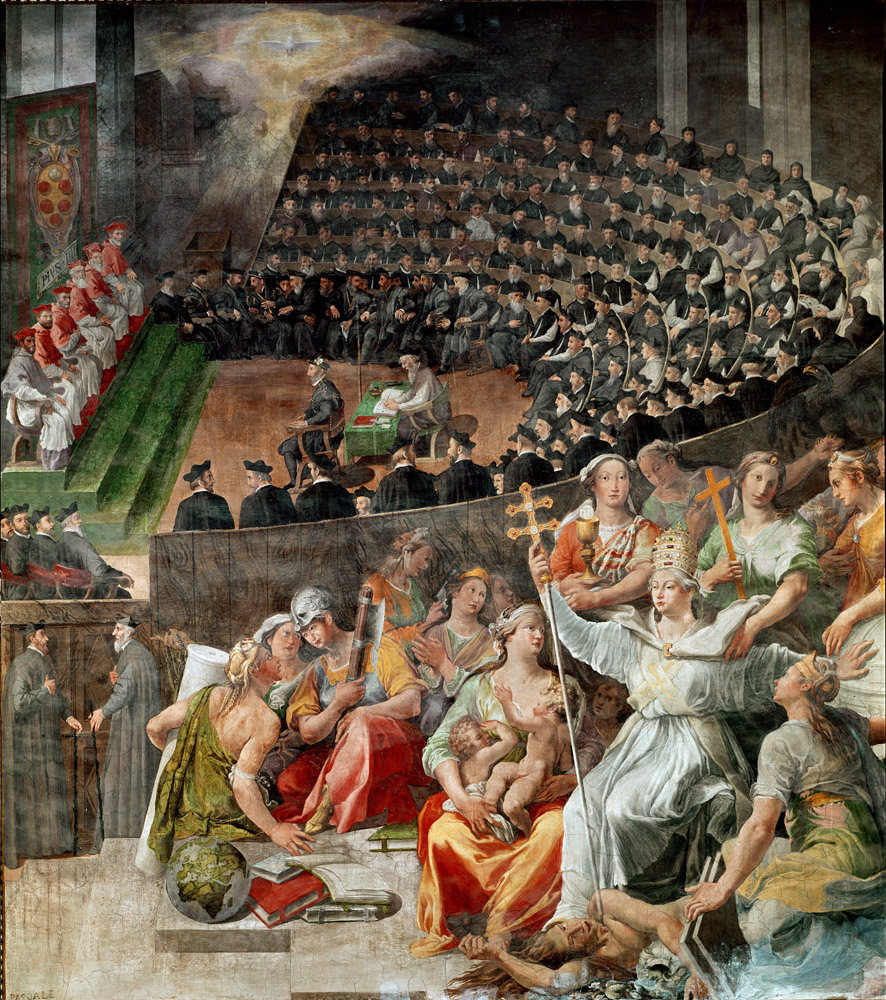
Эта ситуация прекратилась в конце XVI века. Следуя постановлениям Тридентского собора, папа Пий V создал единые правила для всех – Римский миссал 1570 года. Этот миссал стал обязательным для всех католиков, исключение сделали лишь для территорий, где существовала иная литургическая традиция на протяжении более чем 200 лет. Более того, согласно булле Пия V «Quo Primum», это правило будет действовать всегда, и никто не имеет права его отменить:
«Мессу же по обряду, образу и норме, ныне Нами в сем Служебнике введенной читали и пели; да никогда при служении Мессы не дерзают добавлять иные церемонии или читать иные молитвы, нежели содержащиеся в данном Служебнике. <...> Подобным образом, повелеваем, что никто не может быть склоняем или принуждаем к изменению этого Служебника, а сие послание никогда не может быть отменено или пересмотрено, но действует вечно и всегда будет иметь силу закона. <...> Ежели кто на сие посягнуть осмелится, гнев Всемогущего Бога и Блаженнейших Апостолов Петра и Павла на себя навлечет».
Quo Primum
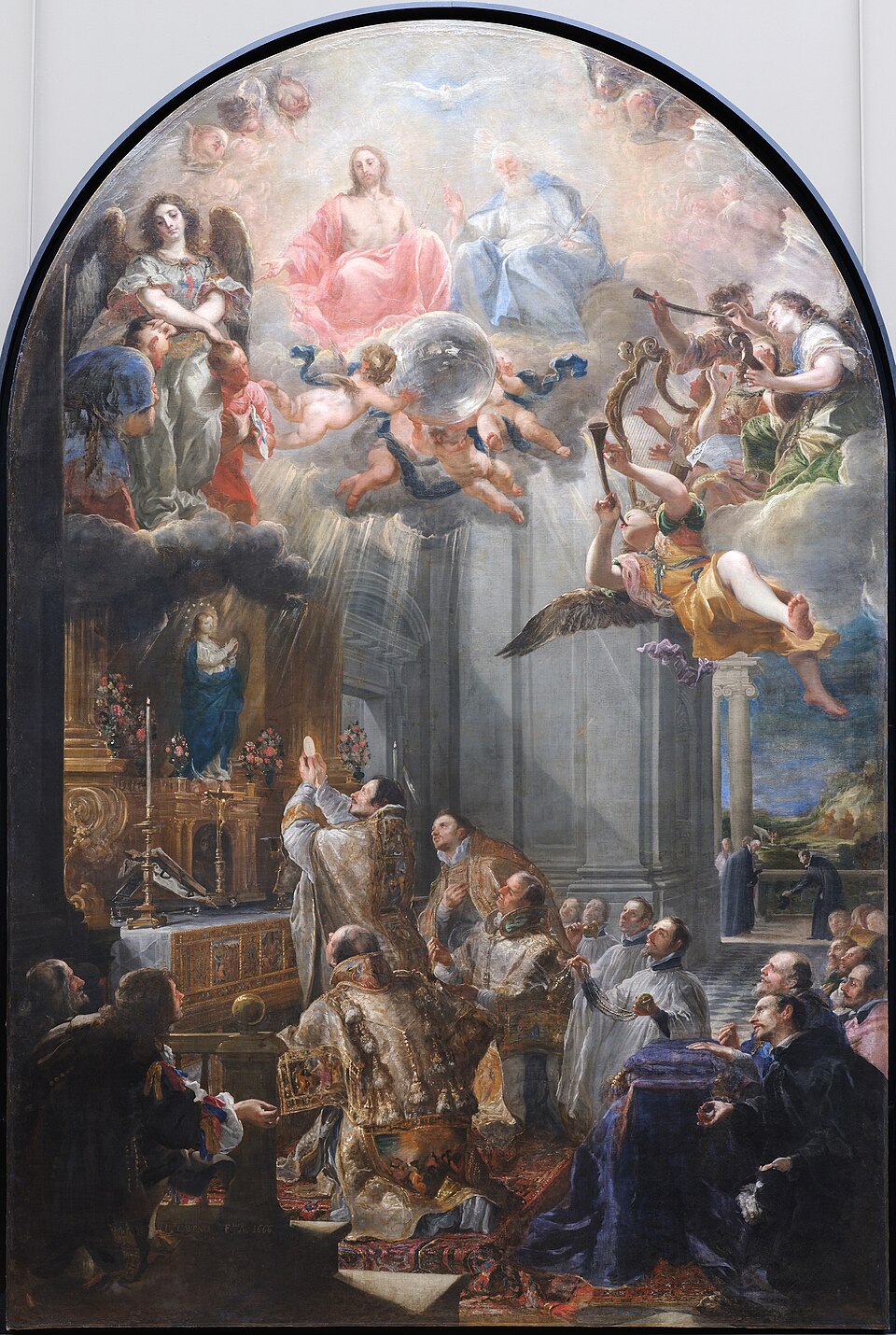
Так и появилось то, что сейчас называется TLM. Вплоть до конца 1960-х годов произошли лишь два минорных изменения – в 1955 году Пием XII и в 1962 году Иоанном XXIII – и на протяжении 400 лет литургия принципиально не менялась.
Конфликт вокруг реформы
Реформа Павла VI, проведенная в 1969 году по следам Второго Ватиканского собора, принципиально отличалась от всего, что было до неё. В этом заключается основная причина всех проблем – реформа была не изменением или уточнением уже существующей литургии, а созданием новой, с большим количеством отличий. В чем же они заключаются? Давайте разберёмся.
Язык
До реформы языком литургии была латынь, с небольшими добавлениями греческого и иврита. Хотя Второй Ватиканский собор предписывает поддерживать баланс между использованием латыни и местных языков, реформа 1969 года фактически упразднила использование латыни в литургии. Исключения существуют – некоторые приходы в Риме служат на латыни, в отдельных приходах на латыни могут петь отдельные части литургии – но в подавляющем большинстве случаев литургия идёт полностью на местном языке.
Позиционирование
Одна из целей реформы, обозначенная Вторым Ватиканским собором – улучшить понимание прихожанами того, что происходит во время мессы. Это касалось не только самого наполнения мессы, но и места и способа ее проведения. Однако вместо конкретных указаний Собор дал лишь рамочные инструкции, оставив большое пространство для интерпретаций.
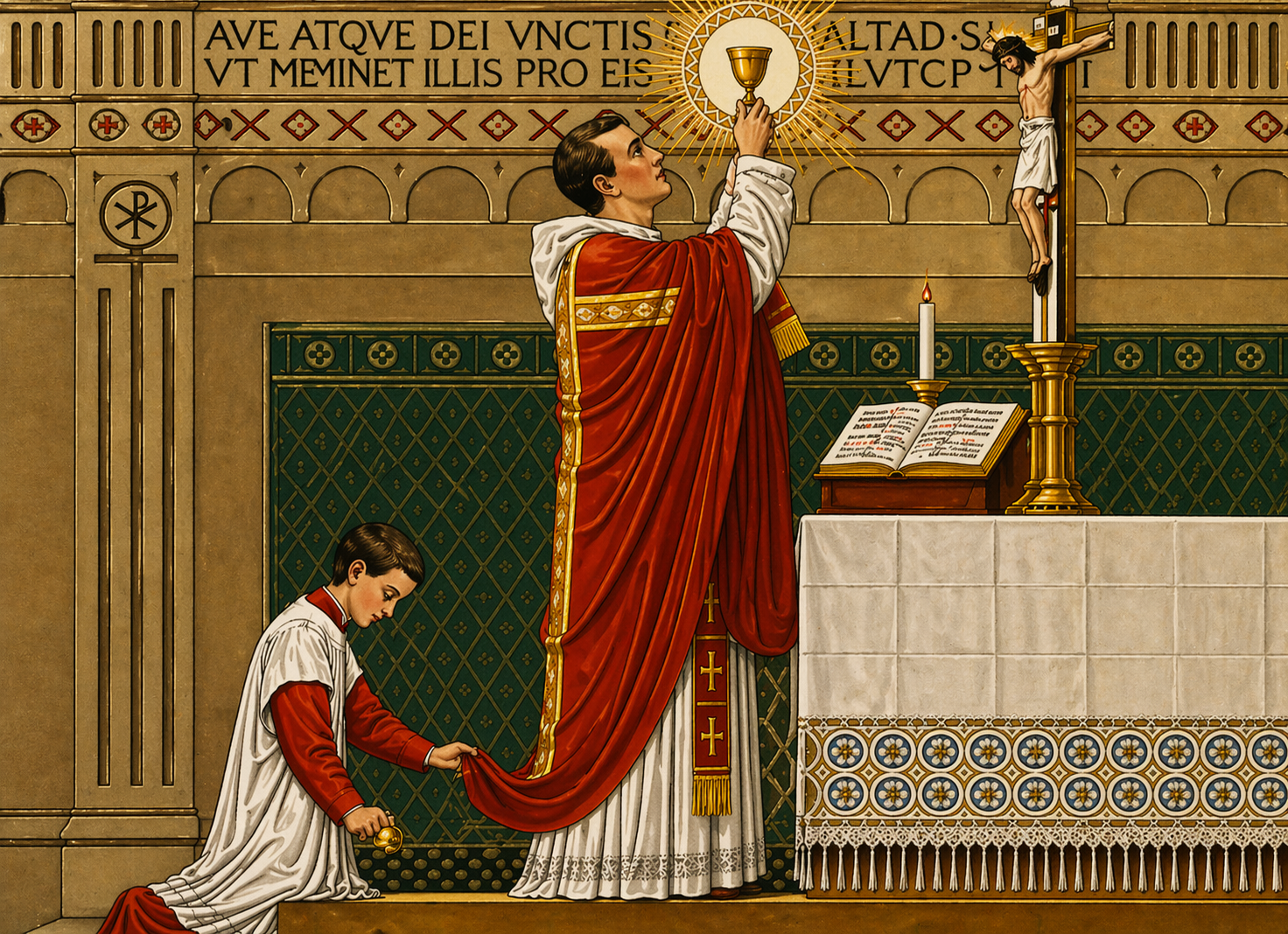
Исполнители реформы интерпретировали эти указания предельно радикально и решили, что использовать традиционные алтари в восточной части храма больше не нужно. Вместо этого в каждой церкви был установлен каменный стол (обязательно так, чтобы его можно было обойти с любой стороны), на который и переместилась большая часть богослужения. Положение священника тоже изменилось – если раньше подавляющее большинство служило вместе с приходом, лицом на восток (ad orientem), то теперь служить нужно лицом к прихожанам (versus populum). Но здесь возникла проблема. В старых алтарях по прежнему находились дарохранительницы – сосуды с освященными Дарами, которые, согласно католическому учению, являются Телом и Кровью Христа под видом хлеба. Поворачиваться к Богу спиной во время богослужения нельзя, поэтому дарохранительницы стали переносить в отдельные помещения или даже здания, лишая прихожан возможности поклониться Святым Дарам.
Облачение
Большая часть элементов одежды священника осталась неизменной, однако то, что было изменено, очень заметно визуально. Сам Собор, опять же, не дал четких инструкций, помимо общего призыва к «благородной простоте». На практике это привело к тому, что украшения и орнаменты в облачении практически вышли из употребления.
Также отказались от широкой ленты на левой руке священника под названием манипул (символ готовности служить) и четырехугольного головного убора, который надевался священниками во время проповеди и символизировал авторитет. Хотя ни то, ни другое не запрещено, они фактически перестали использоваться.
Интересно получилось с самым большим элементом облачения – казулой. Ни до, ни после реформы предписаний по поводу ее формы не существовало. Однако разграничение между старым и новым все же есть, хоть и стихийное. Если священник служит по старому, он, скорее всего, наденет т.н. романскую казулу, по форме напоминающую скрипку. А если по-новому, то готическую, похожую на пончо.
Структура
Одна из неотъемлемых частей мессы – это то, что на ней произносится. Самое загадочное изменение – количество повторений молитвы Kyrie Eleison (греч. «Господи помилуй»). В TLM присутствует понятный принцип – три повторения на каждого члена Святой Троицы (для Бога Сына поется Christe Eleison), в общей сложности девять раз. В ходе реформы это количество сократили до шести, по два раза на каждого. Это экономит порядка четырех секунд, и какая в этом была необходимость – история умалчивает.
Изменилась и структура чтения Писания. До реформы на мессе читалось одно из посланий, либо книга Деяний (очень редко – книга из Ветхого Завета), затем Градуал – отрывок из Псалтири, затем Евангелие. Конкретные отрывки были расписаны на год, и каждый год повторялись. В ходе реформы в начало мессы был добавлен отрывок из Ветхого Завета, Градуал стал длиннее и изменил название на «ответный псалом» (потому что прихожане отвечают священнику), а длина цикла увеличилась до трех лет. Таким образом, прихожане стали слышать больше различных частей Писания во время мессы, потому это изменение подверглось наименьшей критике.
Выводы
Сегодня, спустя почти 60 лет, споры между противниками и сторонниками реформы так и не утихли. Тот факт, что этот вопрос поднимается с каждым новым понтификатом, показывает, что он никуда не уйдет, а недовольные реформой не исчезнут.
Очевидно одно: литургия – это не вопрос вкуса и эстетики, а вопрос богословия, церковной идентичности и того, как католики понимают свое отношение к Богу. Противники реформы считают, что литургия совершается в первую очередь для Бога, поэтому воспринимают в штыки любые попытки ее упростить. Сторонники реформы, в свою очередь, ставят во главу угла человека, поэтому роскошь и помпезность кажутся им излишествами, от которых надо избавиться.
Вопрос, какая литургия лучше выражает суть католической веры, остается открытым – и продолжает разделять Церковь сегодня.