Wunderkammer
Topic
Sorting
Literature
1
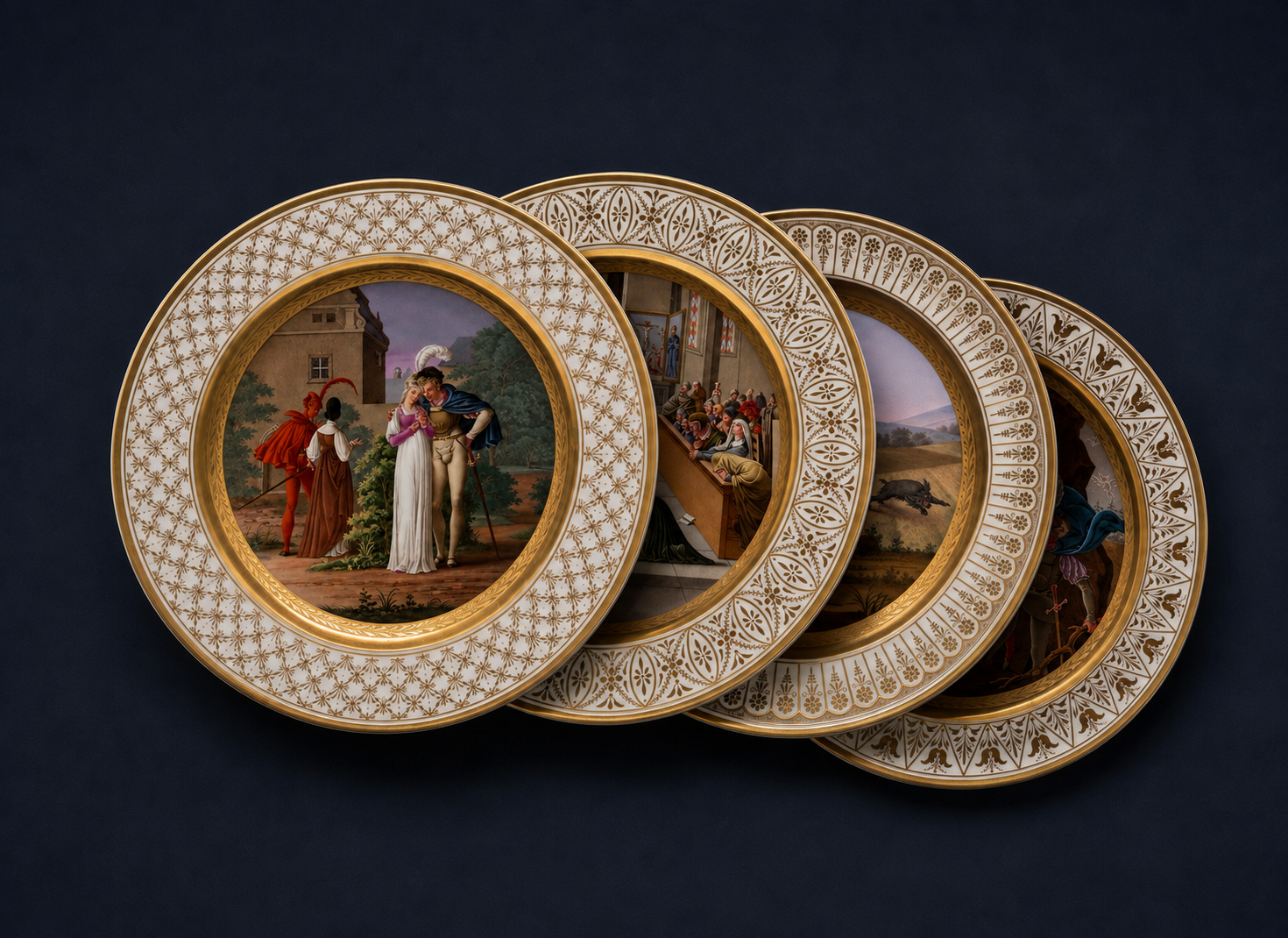
Faustian service
In 1821, the Prussian King Friedrich Wilhelm III commissioned the Royal Porcelain Manufactory to create a set of 24 plates featuring scenes from "Faust." The gift was intended for his cousin, Princess Louise, for the premiere of a musical production written by her husband, Prince Antoni Radziwiłł, who was inspired by Johann Wolfgang von Goethe's tragedy. The designs for the paintings were taken from Moritz Retzsch's illustrations, which were published in 1816 and spread throughout Europe. Thus, the tragedy of selling one's soul found its way to the dining table.
Art
1
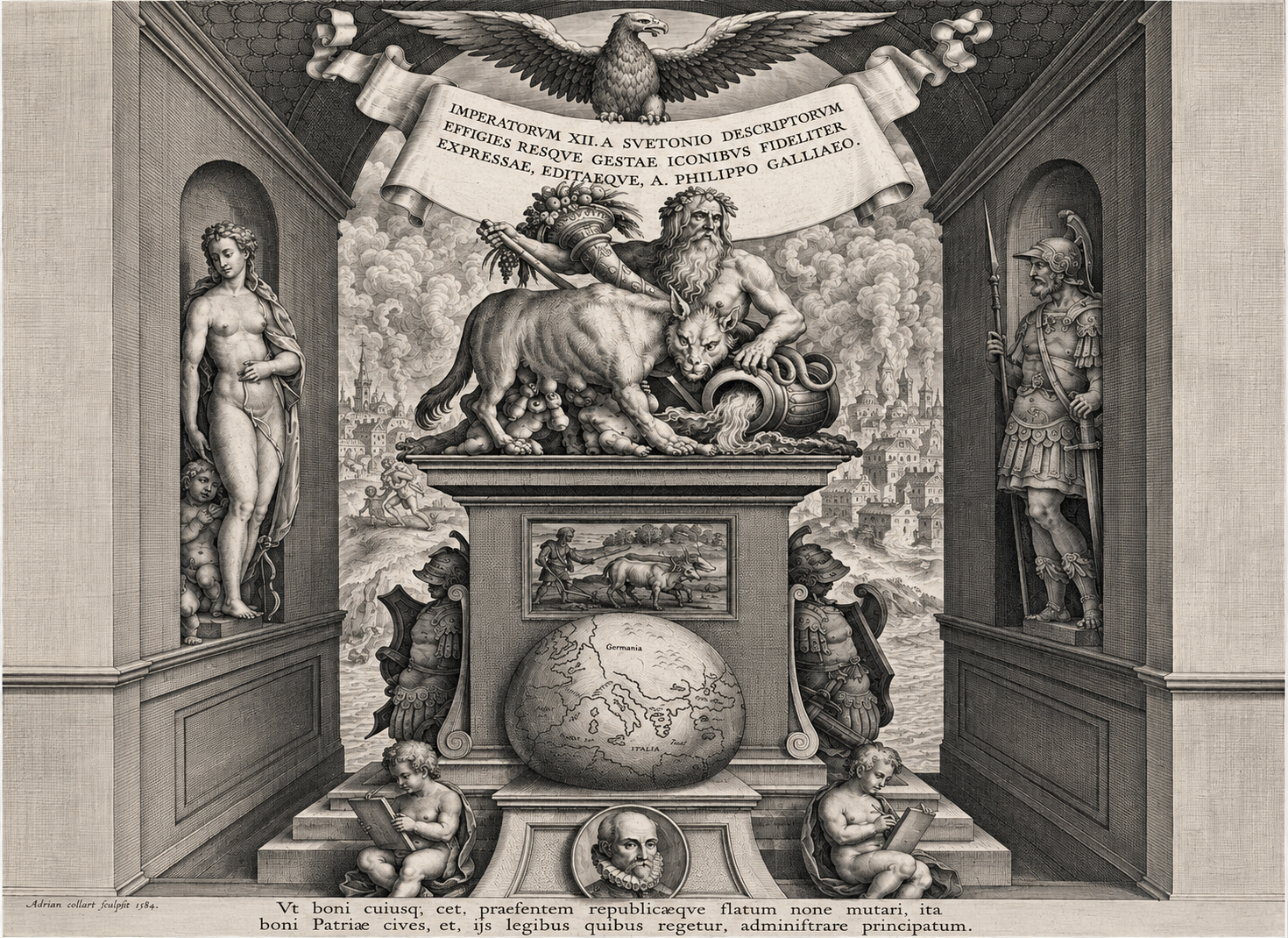
"The Twelve Caesars" by Adrian Collaert: Roman Emperors in 16th Century Engravings
Between 1587 and 1589, the Flemish engraver Adrien Collaert was inspired by the ancient treatise "The Lives of the Twelve Caesars" by the historian Suetonius, which tells the stories of the first rulers of the Roman Empire: from the Julio-Claudian dynasty through the "Year of the Four Emperors" to the Flavian dynasty. Collaert created a gallery of equestrian portraits of Roman emperors, which you can admire in our Kunstkamera!
Art
1
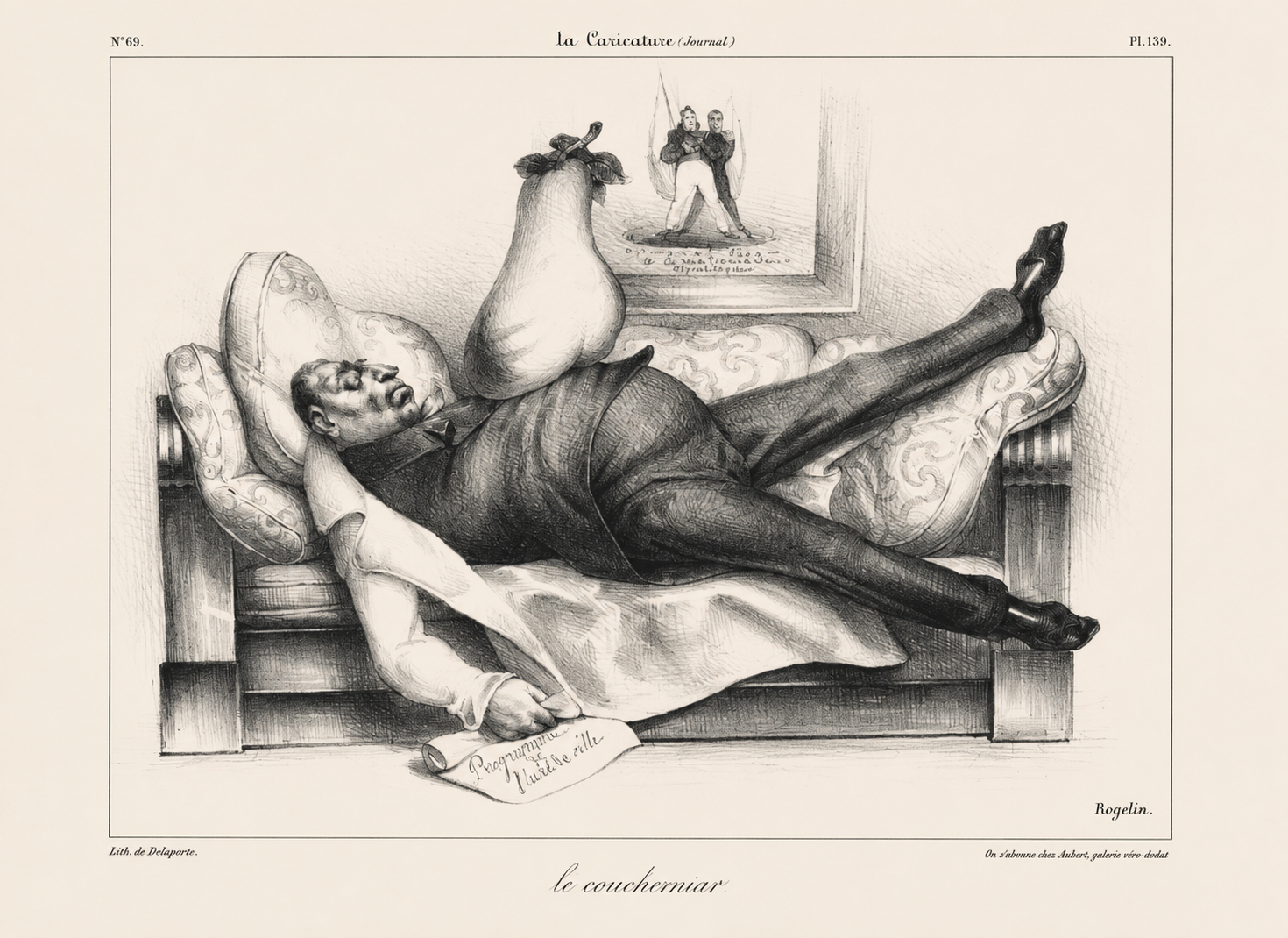
Ten Lithographs by Honoré Daumier
Lithography begins with a stone: the artist draws directly on smooth limestone, and thousands of prints are pulled from it. Honoré Daumier worked with such stones for thirty years, satirizing the July Monarchy. For "Gargantua," he was imprisoned in Sainte-Pélagie, and after "Rue Transnonain," the government bought up the prints and destroyed the stone itself. Ten of his sheets, from the pear-shaped Louis-Philippe to the Bonapartist scoundrel Ratapoil, demonstrate how a cheap newspaper image became both a weapon and an art form.
Art
3
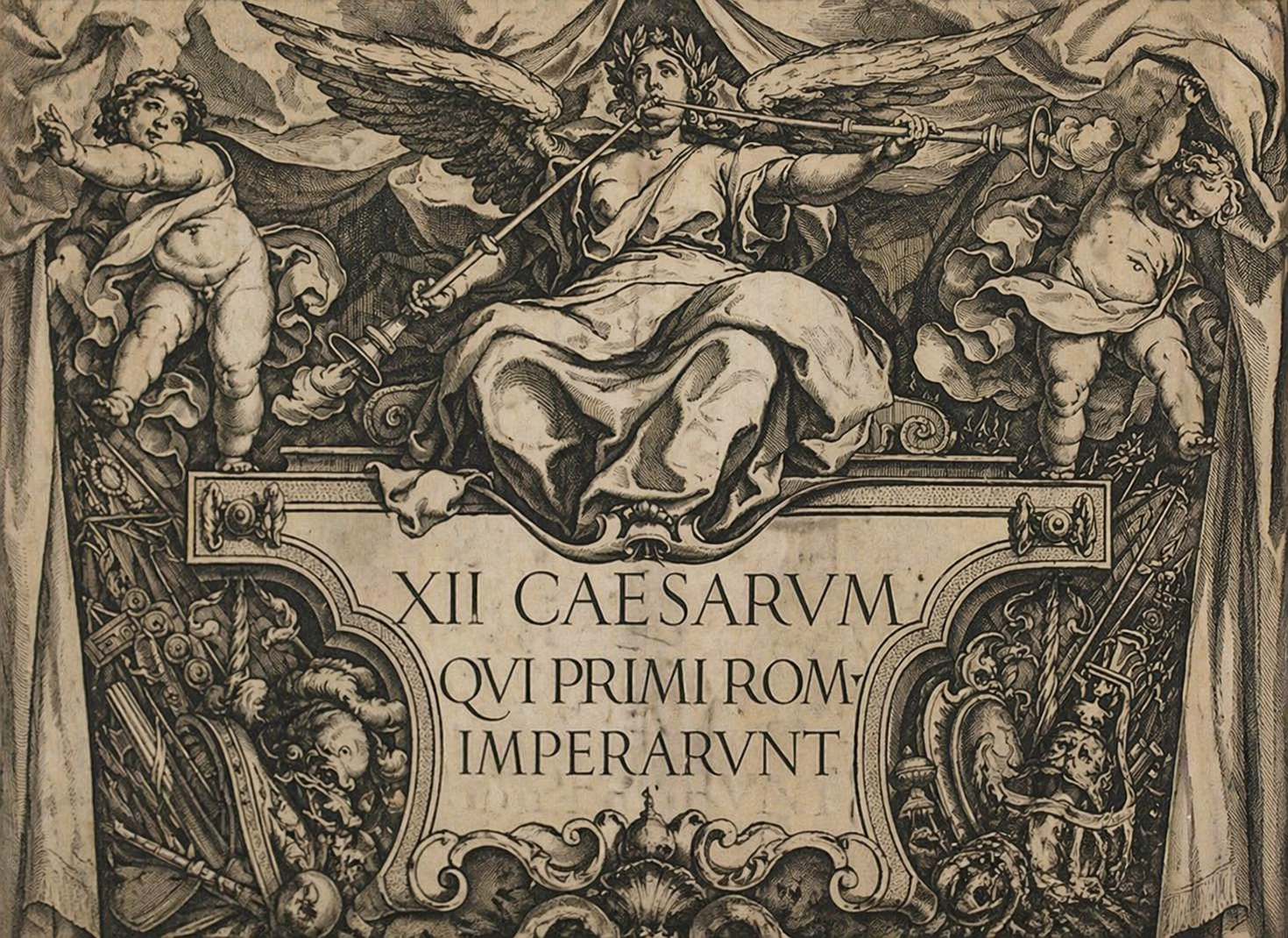
"Twelve Caesars" by Raffaello Schiaminossi: Roman Emperors in 17th Century Engravings
A series of exquisite etchings depicting Roman emperors from Julius Caesar to Domitian. Based on the biographies of Suetonius and inspired by the compositions of Antonio Tempesta, this work combines the precision of classical iconography with the expressive technique of early Baroque. Schiaminossi's engravings impress with their masterful use of chiaroscuro and attention to detail, conveying the grandeur, character, and symbolic power of the rulers of ancient Rome.
Architecture
3
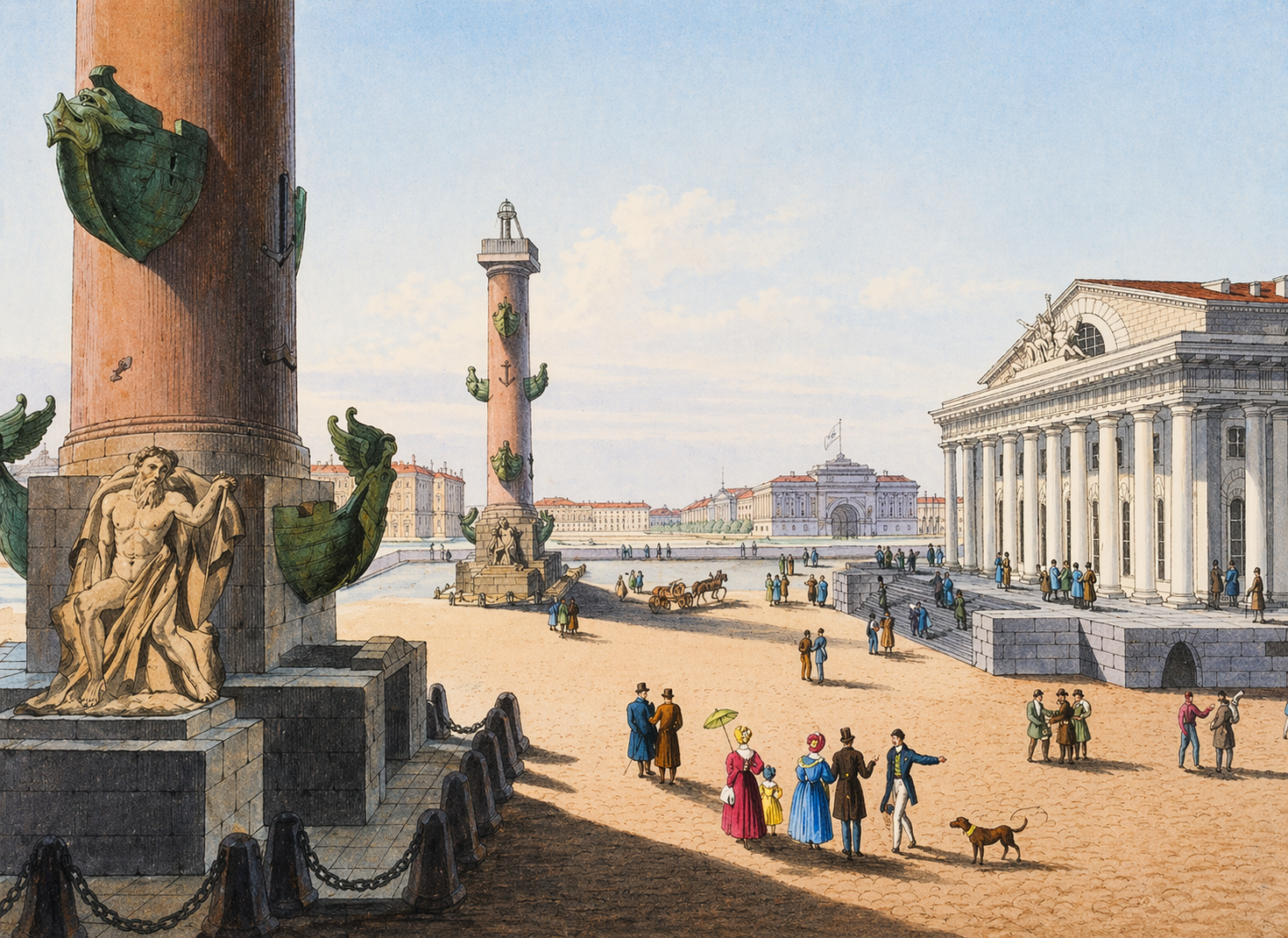
The ancient city on the banks of the Neva
"In St. Petersburg, two types of architecture prevail: Greek and Roman," — this is how the capital of the Russian state was described by the prominent historian and local historian Ivan Ilyich Pushkaryov. The founder of the city, Emperor Peter, in an attempt to distance himself from the Moscow he disliked, which called itself the Third Rome, laid the foundation for a new ancient city on the northern shores of the Neva. Absorbing the entire "spirit" and longing for antiquity, St. Petersburg recreated it in the strict plans of its architectural ensembles, classical colonnades, and triumphal arches.
All available materials have been loaded.