3
Architecture
The ancient city on the banks of the Neva
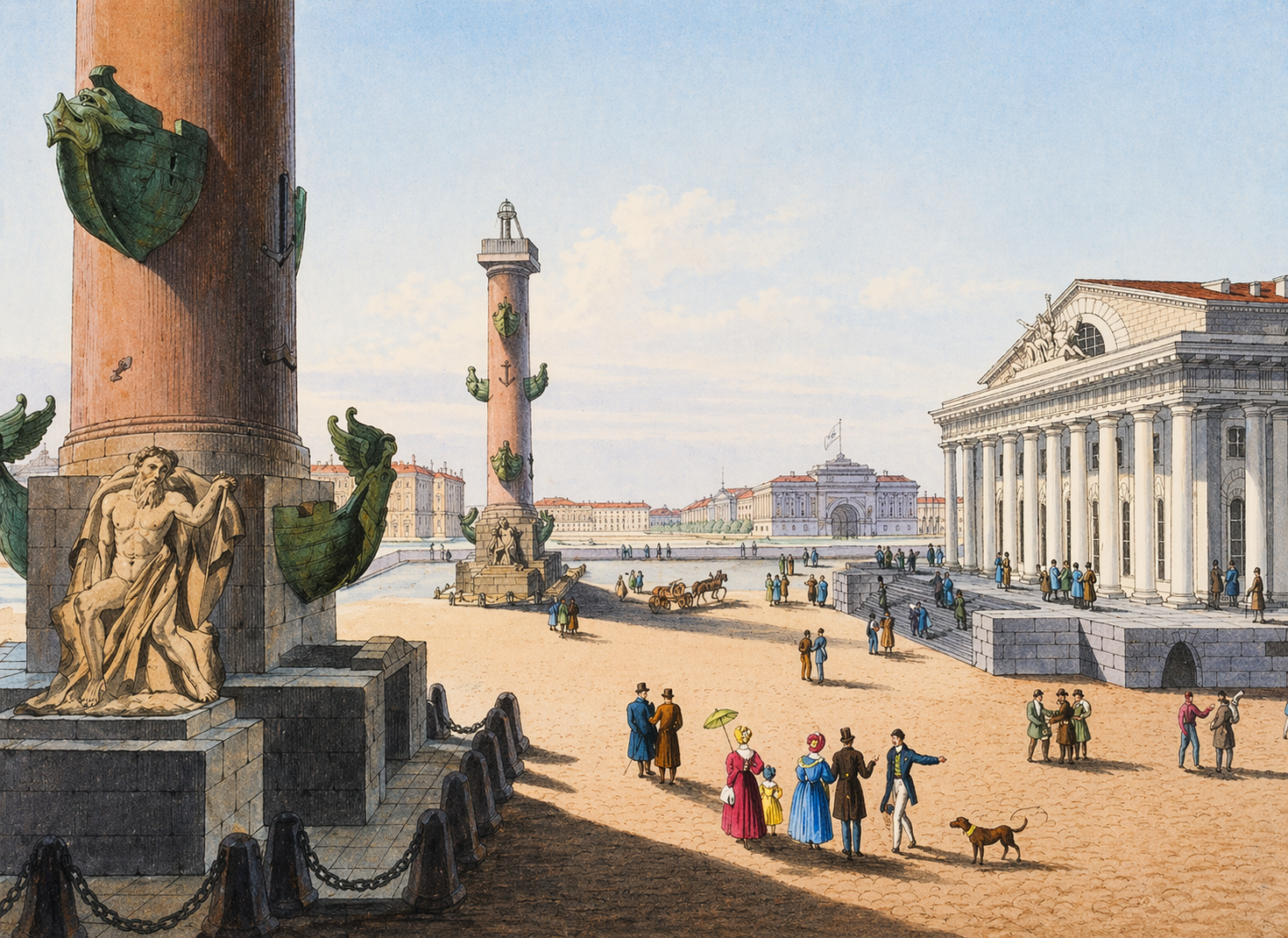
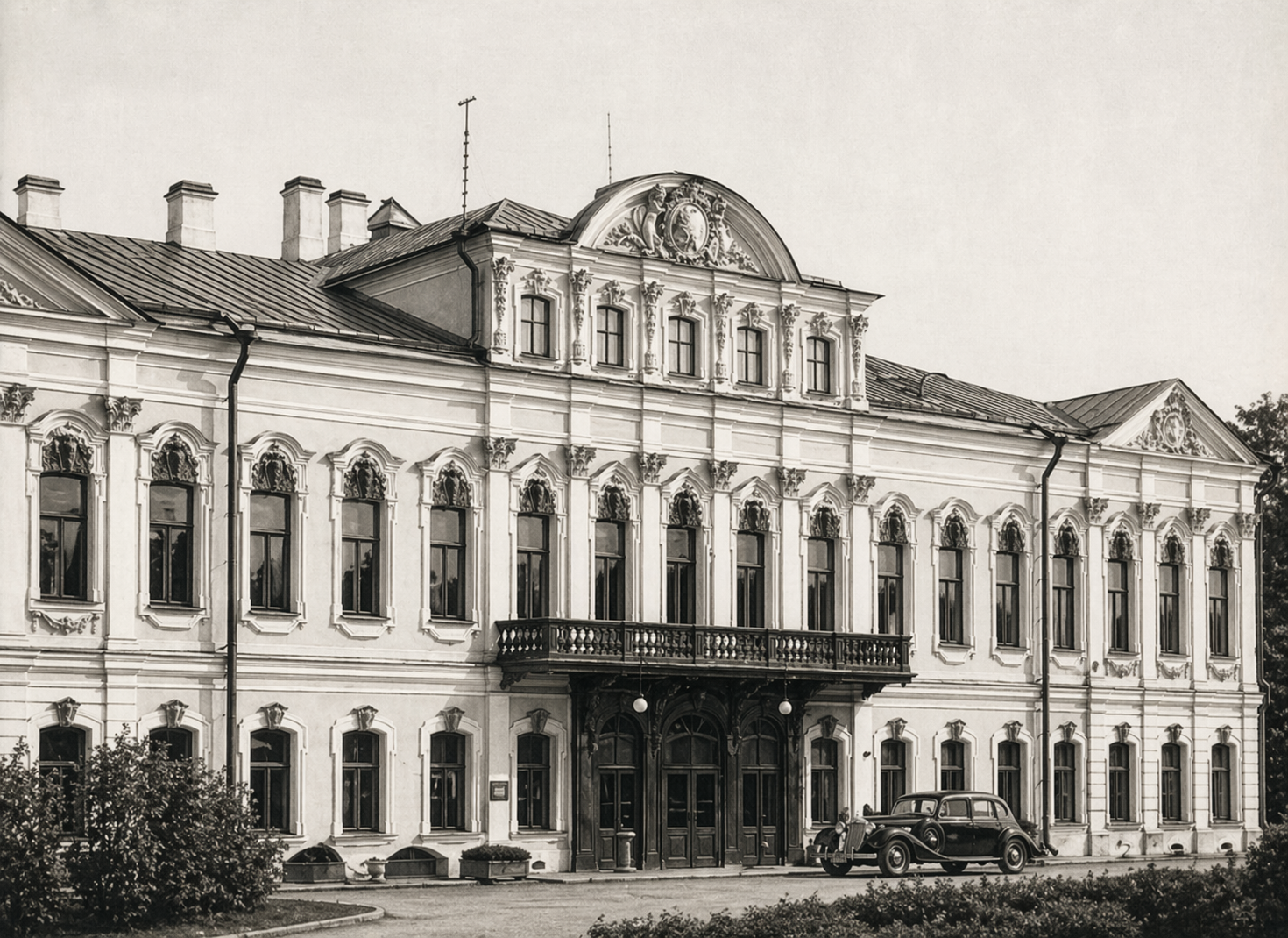
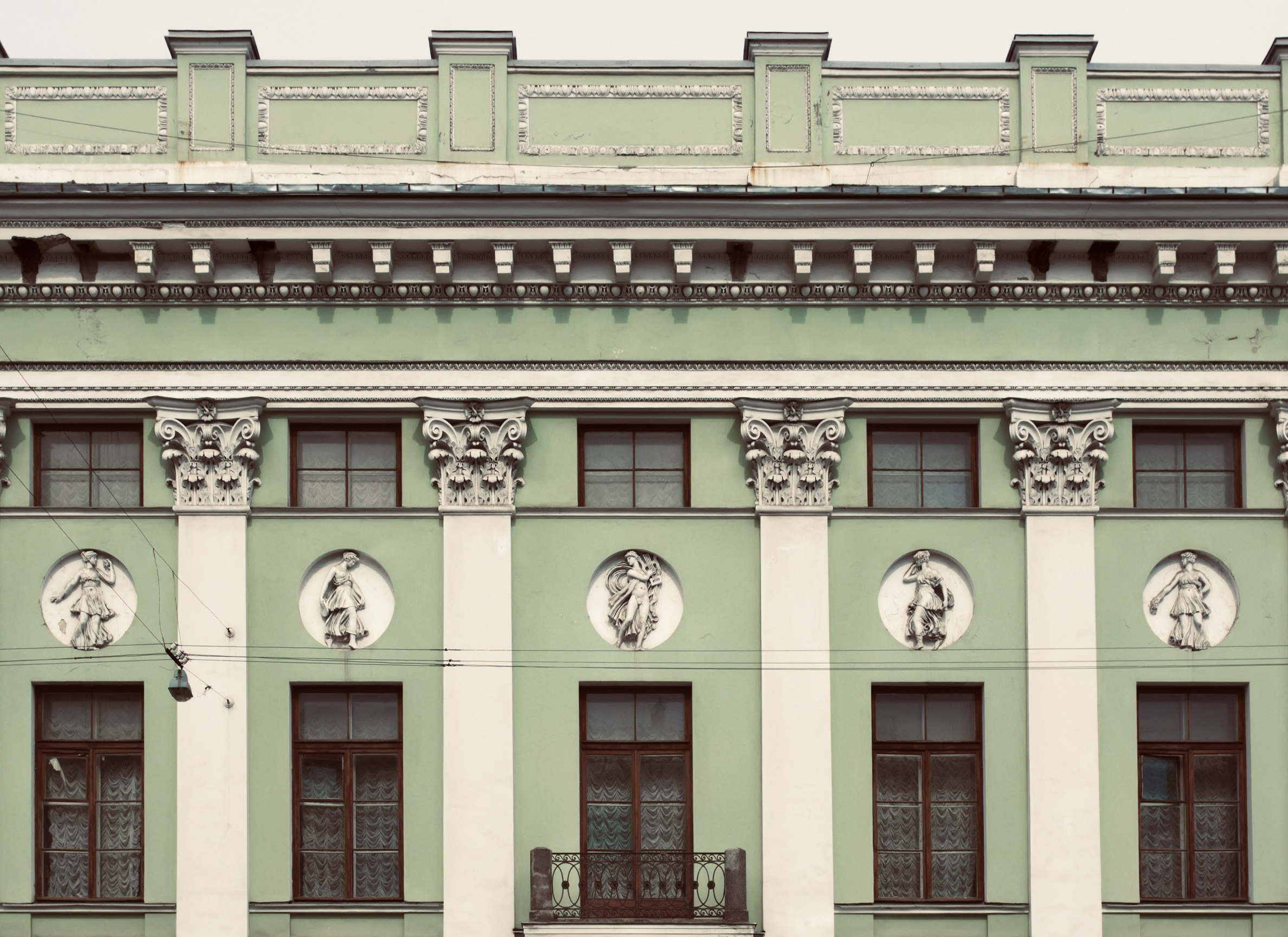
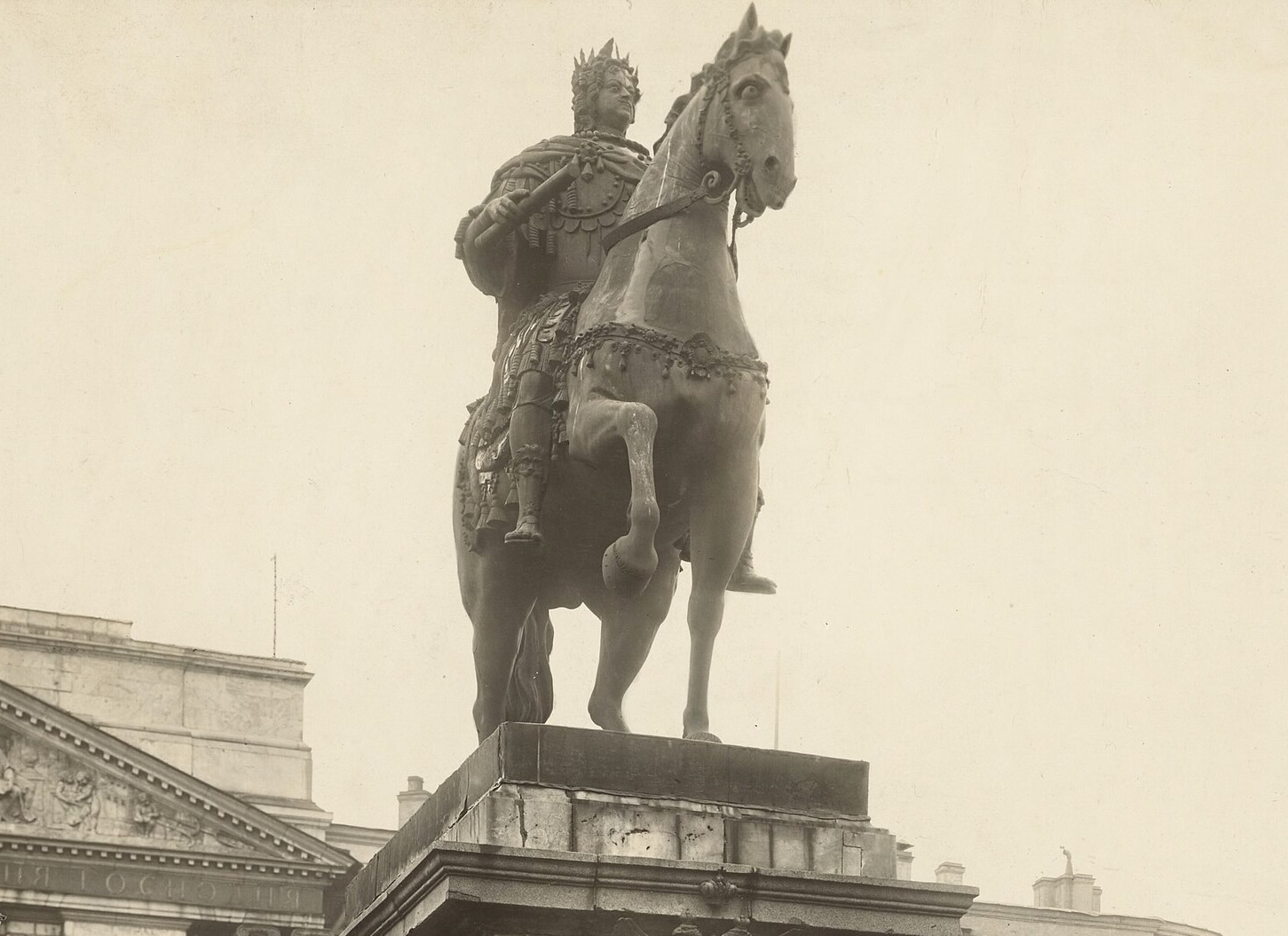
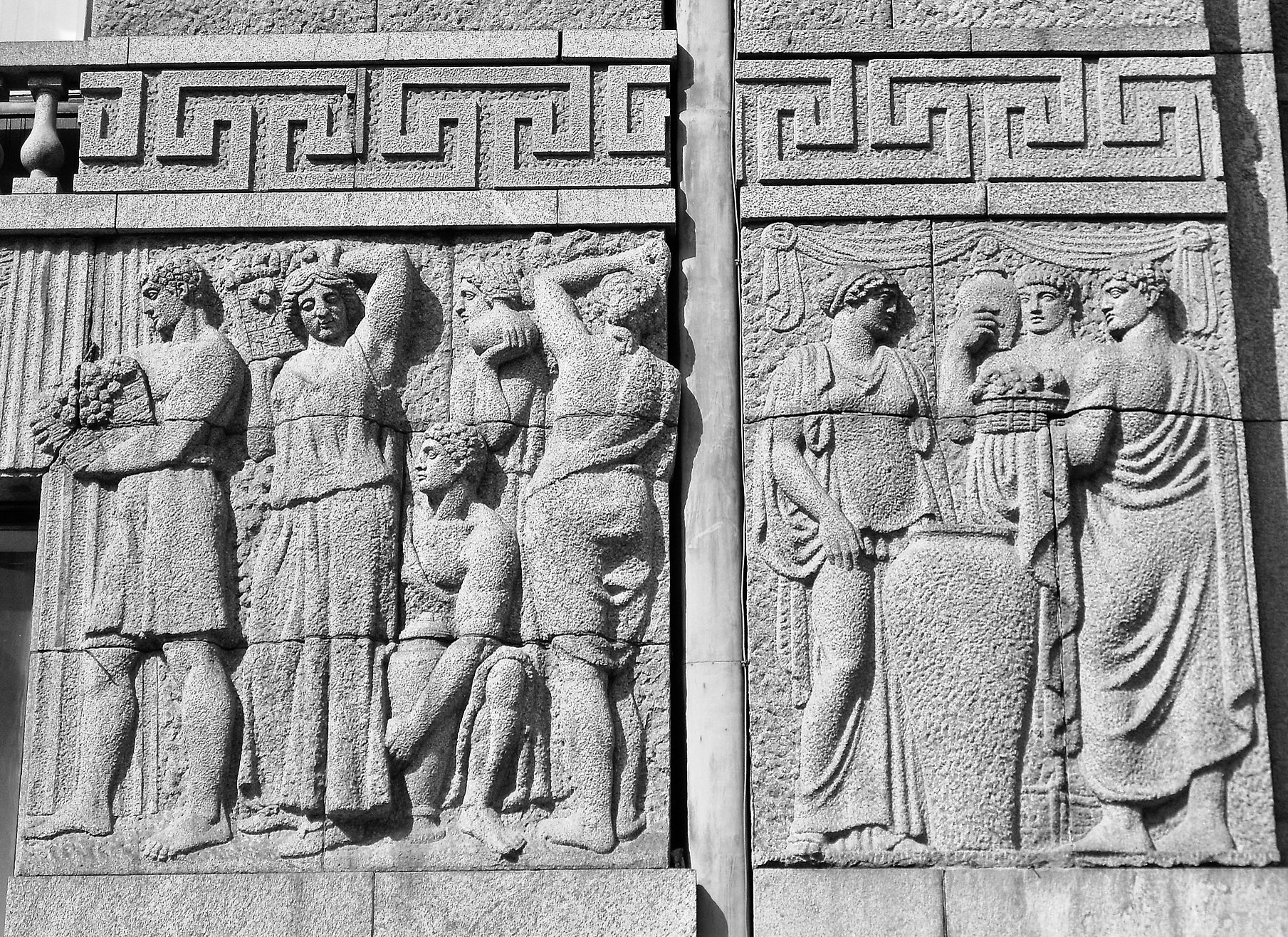
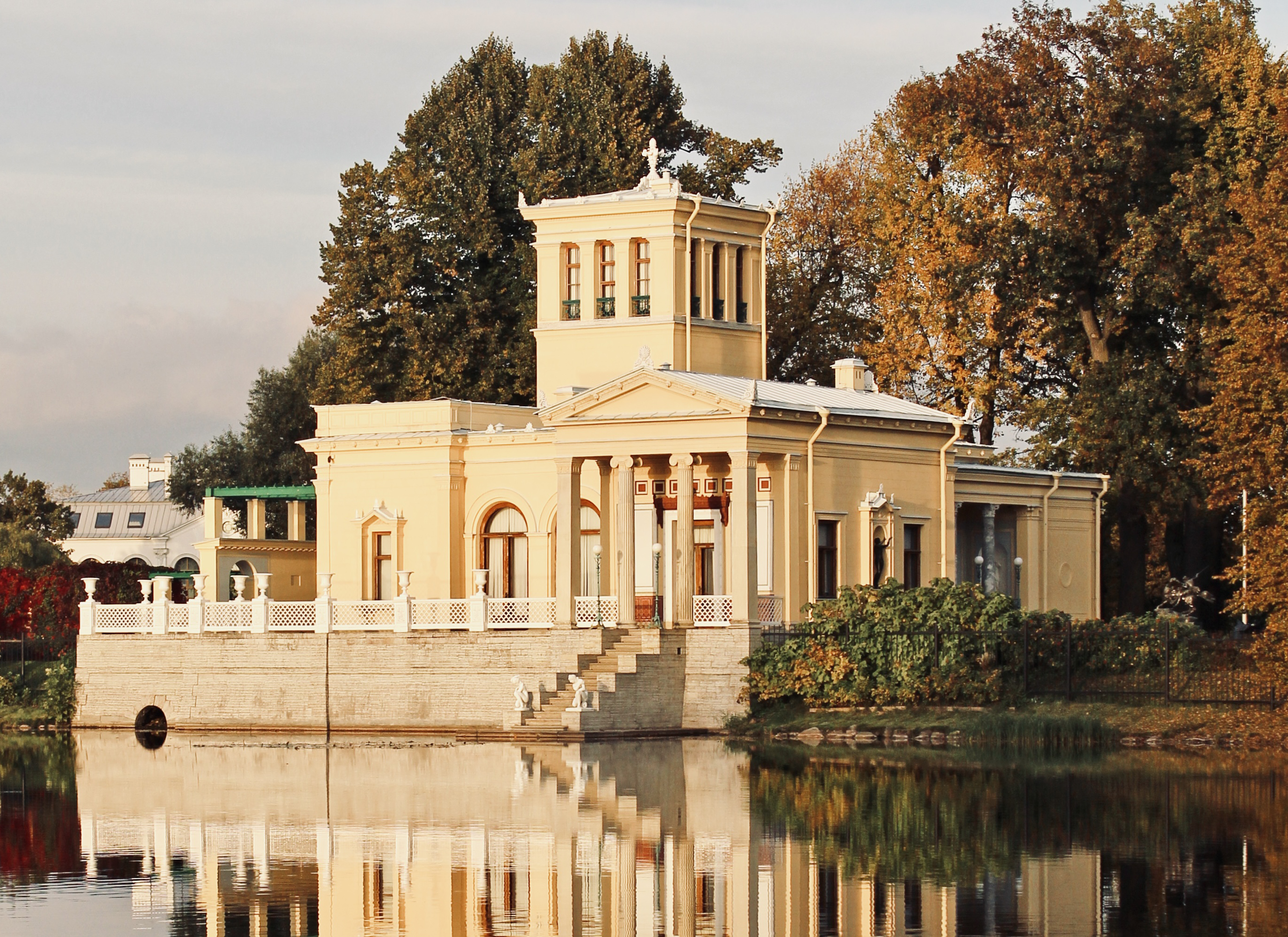
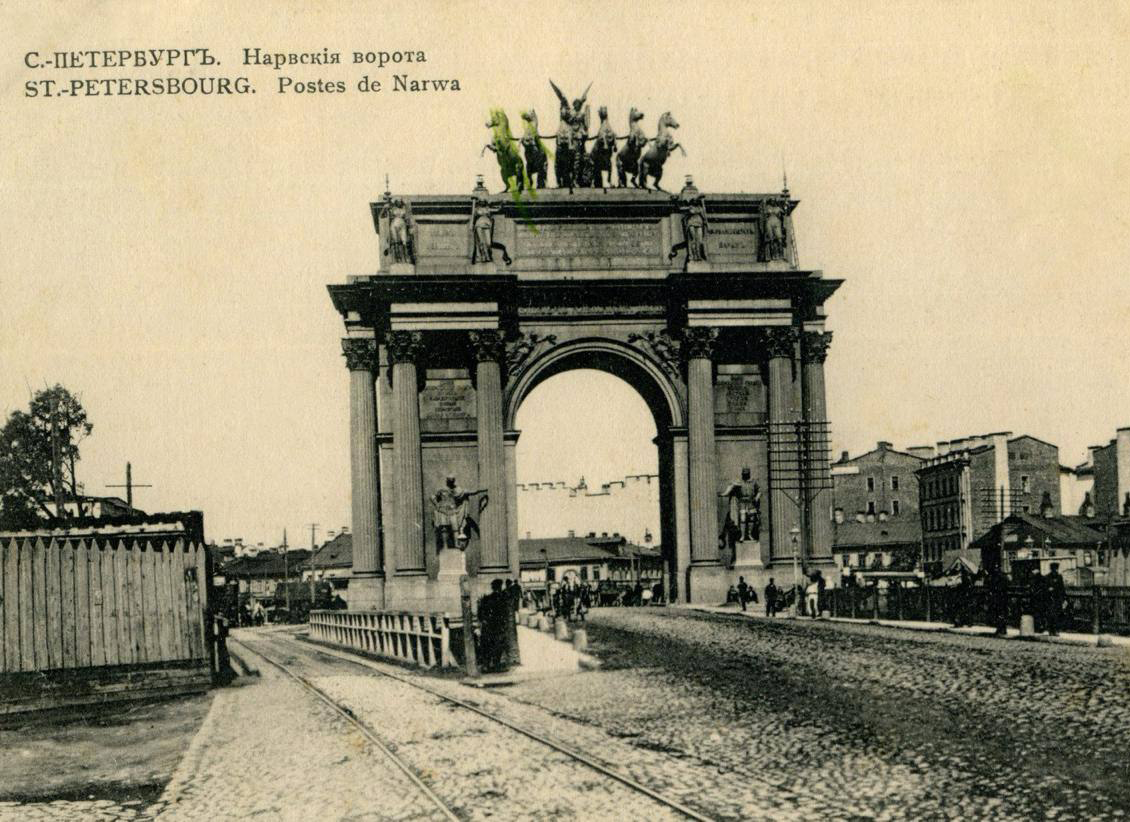
"In St. Petersburg, two types of architecture prevail: Greek and Roman," — this is how the capital of the Russian state was described by the prominent historian and local historian Ivan Ilyich Pushkaryov. The founder of the city, Emperor Peter, in an attempt to distance himself from the Moscow he disliked, which called itself the Third Rome, laid the foundation for a new ancient city on the northern shores of the Neva. Absorbing the entire "spirit" and longing for antiquity, St. Petersburg recreated it in the strict plans of its architectural ensembles, classical colonnades, and triumphal arches.
PONTVS TEAM
Content produced by our editorial team
22.04.2026
Report a problem
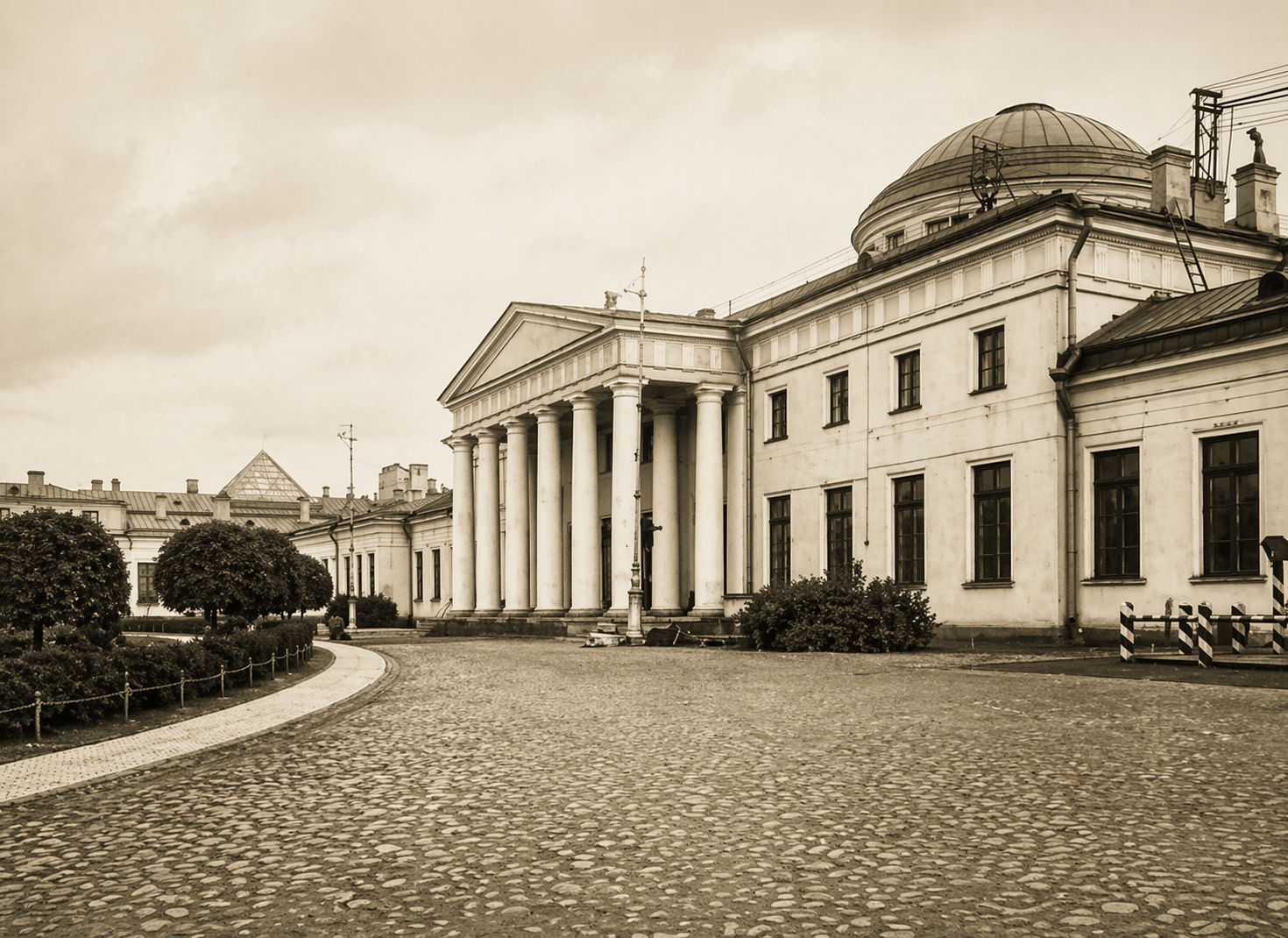
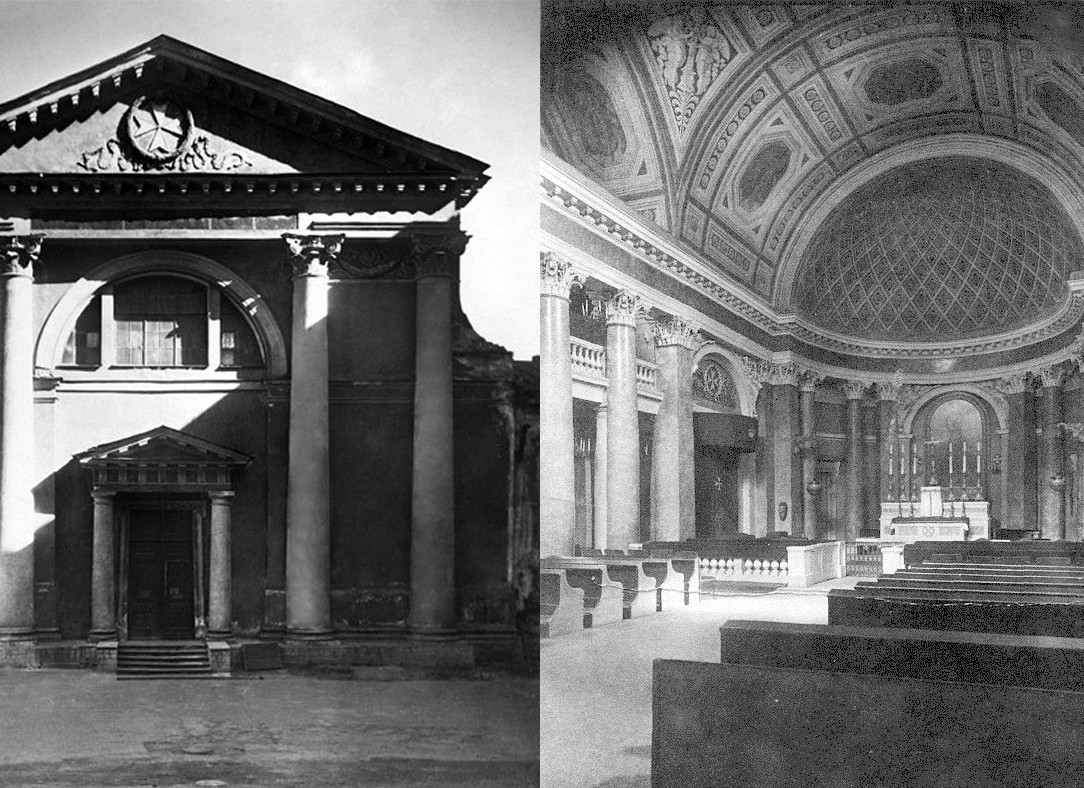
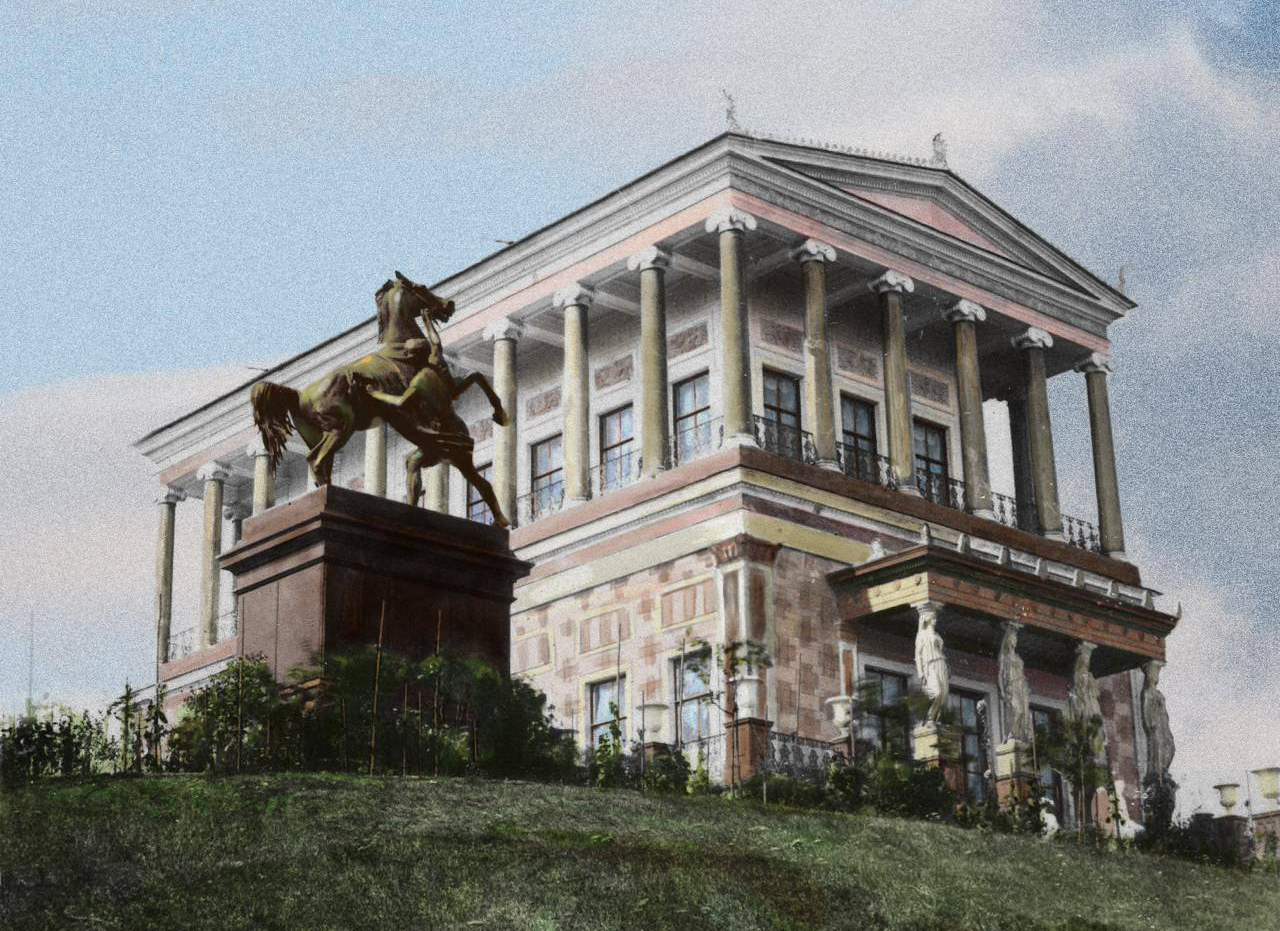
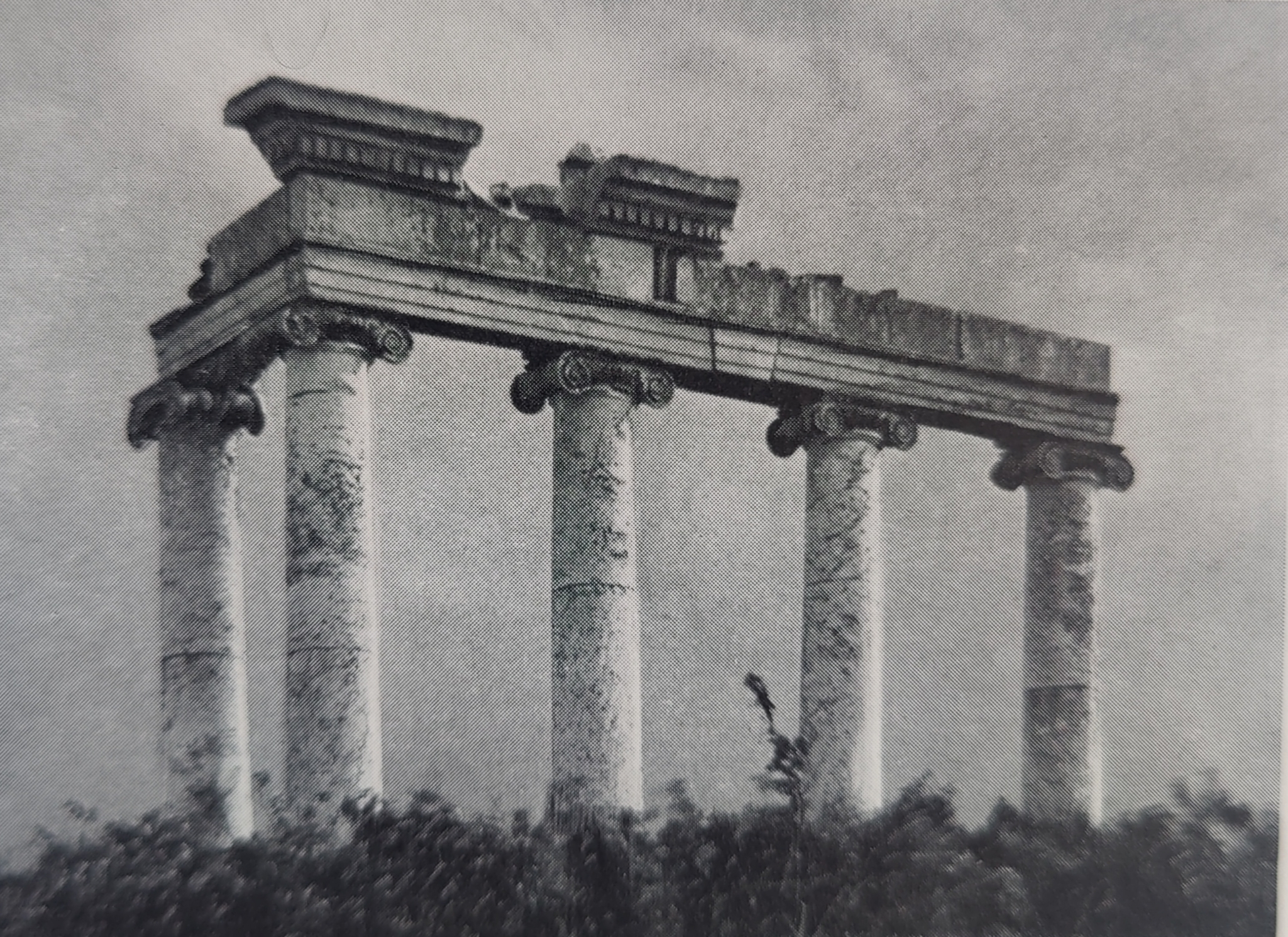
Completed in the year the French Revolution began for Prince Potemkin, the Tauride Palace would later play its role in Russian revolutions, but it is not this that interests us. With its ensemble of three porticos, it is one of the brightest examples of this characteristic ancient architectural element in St. Petersburg. A portico is a covered passage formed by a colonnade and a parallel wall, and it is present in most ancient temples.