Topics catalog
Sorting
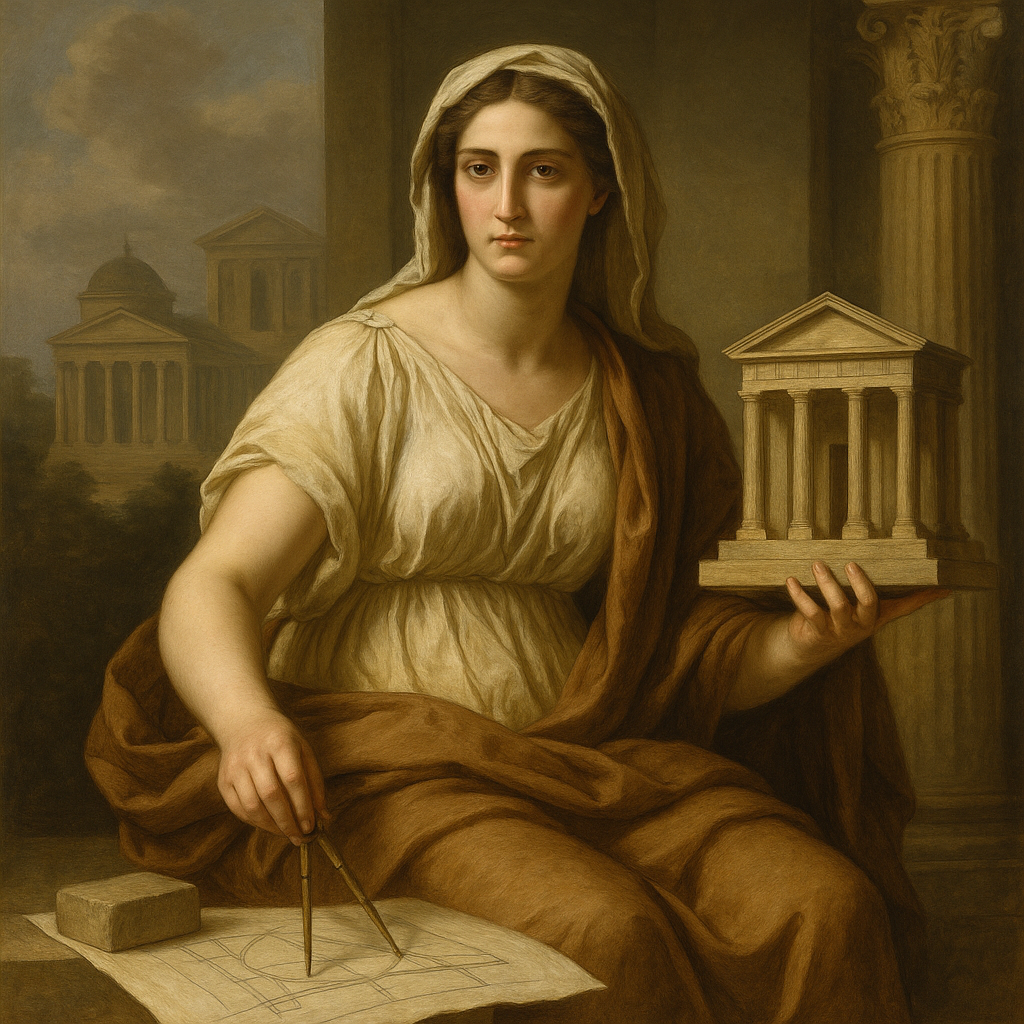
Architecture
Architecture is frozen music of space, where stone, light, and shadow form a language understood without words. It hides in the refined austerity of the Villa Rotonda, where harmony reaches almost mathematical clarity, and reveals itself in the elegance of the Villa d’Este, where symmetry and nature merge into a deliberate harmony.
It lives not only in great monuments but also in bold experiments, where the architect challenges tradition and searches for new meanings in space. In its details—the silence of inner courtyards, the play of light in narrow openings, the breath of materials that over time become part of memory.

History
History is a quiet light breaking through the thickness of centuries, where every event is like an imprint of human will on the sands of time. It preserves the echo of the Fall of Constantinople, when one world gave way to another, and remembers the boldness of the Age of Discovery, which opened horizons once only dreamed of.
It absorbs the whisper of forgotten civilizations and the roar of great transformations, where behind every decision lie the destinies of peoples and choices that changed the course of time. Into its fabric are woven both triumphs and downfalls—from the flourishing of empires to their inevitable decline—reminding us that nothing is eternal except the movement forward itself.
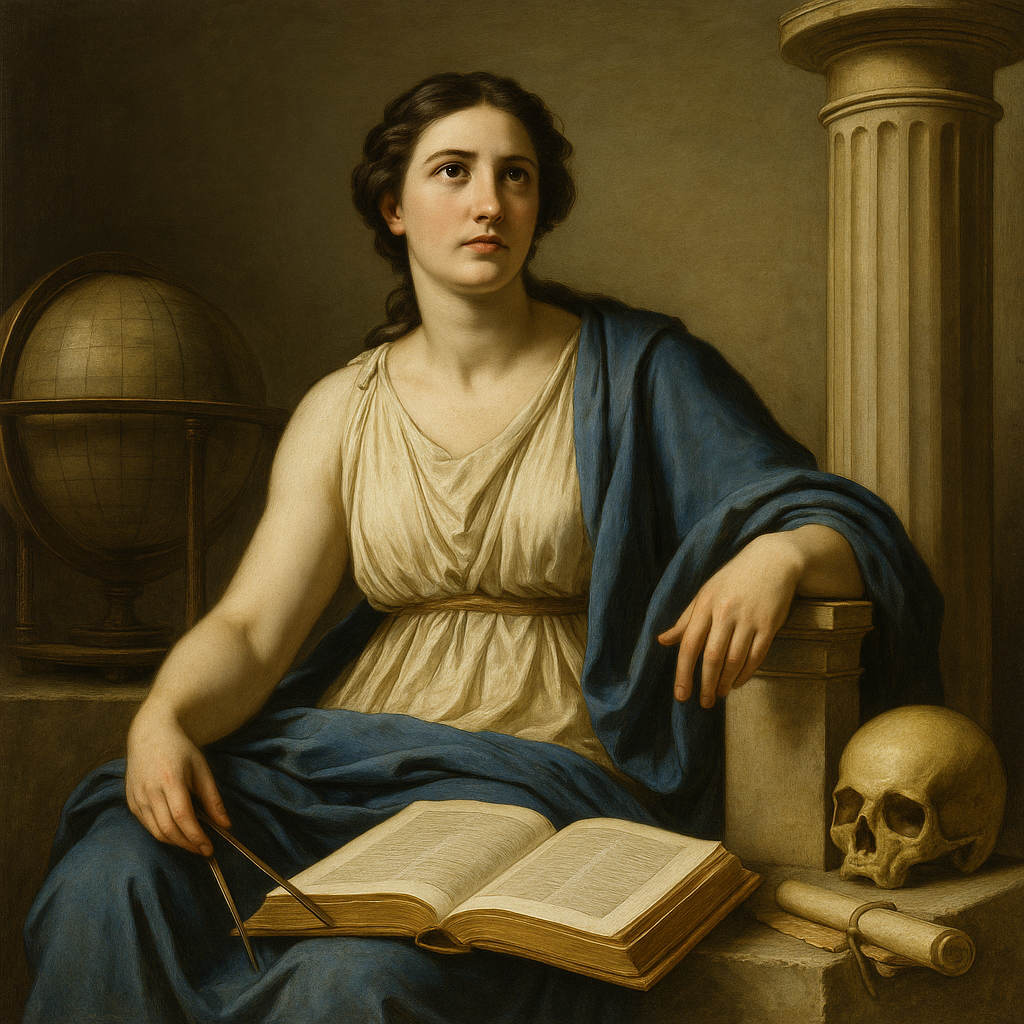
Philosophy
Philosophy is a quiet search for meaning in a world where answers are never final and questions are eternal. It resonates in the dialogues of Socrates, who taught doubt as a path to truth, and unfolds in the reflections of Immanuel Kant, who sought to define the limits of reason and freedom.
It moves through the ages, uniting anxiety and hope, faith and skepticism, the desire to understand the world and oneself. At its center stands the human being, facing infinity and trying to find their place within it.

Political science
Political science is the art of understanding power, hidden not only in laws and institutions but also in human ambitions, fears, and hopes. It listens to the echoes of the French Revolution, where the idea of freedom first sounded as a challenge to the old order, and reflects on the legacy of the Cold War, which divided the world into ideologies and spheres of influence.
At its core lies the search for balance between authority and society, between order and freedom, where thinkers like Niccolò Machiavelli sought to reveal the nature of power, and John Locke to justify the right to liberty and the consent of the governed.
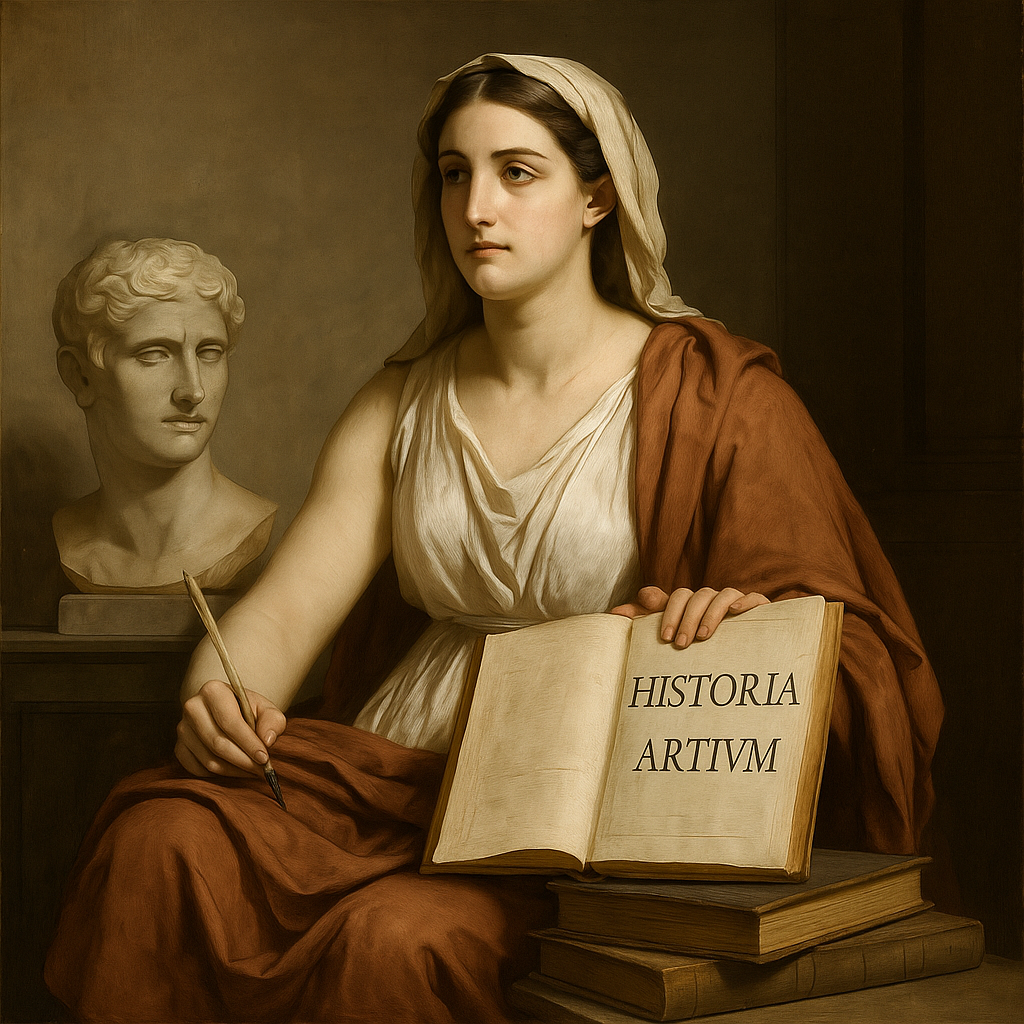
Art
Art history is an attentive listening to the language of forms, colors, and images through which humanity speaks about itself across the centuries. It reads hidden meanings in the dramatic light of Caravaggio and in the refined sensuality of Gustav Klimt, where every line becomes a gesture of its time.
It traces how the perception of beauty changes—from harmony and ideal to the search for the new and unfamiliar, from imitation of nature to the desire to express the inner world. Within its scope lie not only artworks but also the contexts, eras, and ideas that make art a living testimony of its time.
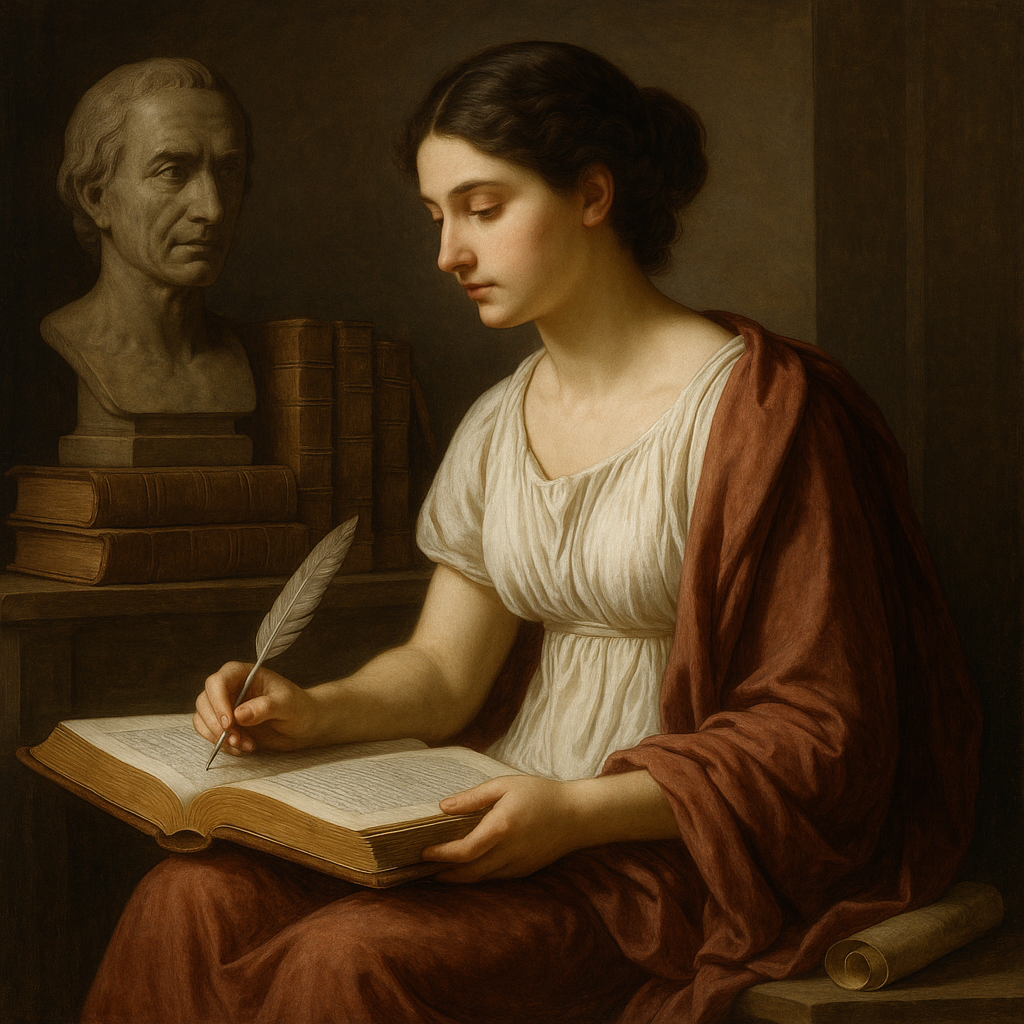
Literature
Literature is the voice of time embodied in words, where every work becomes a reflection of the human soul and its era. It resonates in the tragic depth of Fyodor Dostoevsky and in the cold, concentrated prose of Ernst Jünger, where behind the text one senses the tension of the century and the experience of extreme states.
It preserves experiences that transcend time, turning the personal into the universal and the moment into eternity. Through words, a person learns to understand others and themselves, finding in others’ stories a reflection of their own feelings.
All available materials have been loaded.