Philosophy
Danila Frolov
Author of the Telegram channel “Cantate Domino”
00:00
Начиная с 1960-х годов, Католическая Церковь переживает глубокие внутренние преобразования и кризисы. Всё чаще звучат голоса, предлагающие пересмотреть традиционные аспекты вероучения, пасторские подходы и формы религиозной жизни. На фоне этих процессов внутри Церкви возникли острые споры – о границах допустимого обновления, о соотношении между верностью традиции и следованием духу времени. Некоторые священники активно стали вовлекаться в общественно-политическую жизнь, что одни считают естественным проявлением христианской ответственности, а другие – симптомом утраты духовных ориентиров. Даже папский престол не остался в стороне: главное, чем запомнился понтификат Франциска – многочисленные дискуссии и скандалы вокруг его слов и действий. Для одних они стали символом обновления и открытости, для других – поводом для критики и недоумения.
Хотя этот кризис не является самым суровым и масштабным в истории, и уж точно не является неразрешимым, многие люди разочаровались в Церкви и пошли искать пристанище в других местах. Одной из идей, получивших развитие на этом фоне, стал седевакантизм. Центральной идеей этого учения является утверждение, будто семь понтификов, управлявших Церковью с открытия Второго Ватиканского собора, а именно Иоанн XXIII, Павел VI, Иоанн Павел I, Иоанн Павел II, Бенедикт XVI, Франциск и Лев XIV, являются антипапами – самозванцами, незаконно занимающими кресло апостола Петра. Этим и объясняют кризис, начавшийся после Второго Ватиканского собора – если Церковью управляют самозванцы, то они, очевидно, поведут Церковь не туда, куда хочет Бог. А если они действуют против Бога, то и слушать их не надо, как и подчиняться им. Некоторые из седевакантистов зашли еще дальше и считают, будто Католическая Церковь не просто ошибается, но вообще вымерла, а Ватикан – это ложная Церковь.
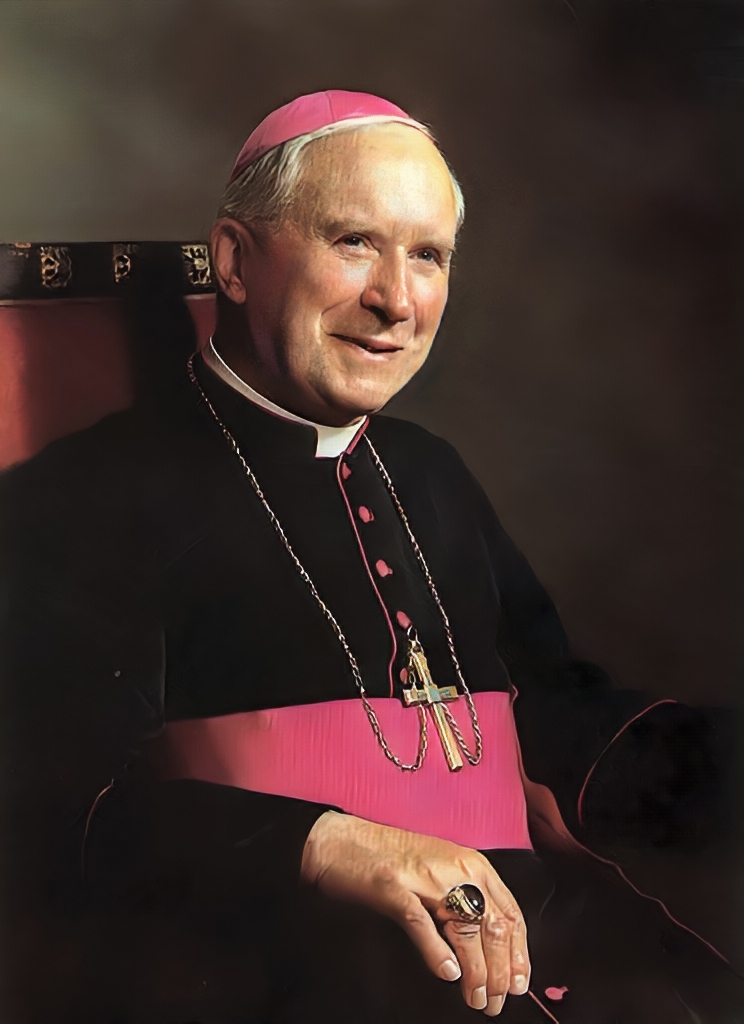
Прежде чем мы перейдем непосредственно к седевакантизму, стоит отметить один важный момент – далеко не все, кто не был в восторге от реформ Собора, выбрали путь седевакантизма. Наиболее известный из них – архиепископ Марсель Лефевр, и его общество св. Пия X (FSSPX), не приветствовали взгляды и методы седевакантистов, и предпочитали оставаться в общении со Святым Престолом. По сей день подавляющее большинство традиционалистов предпочитают путь единства с папой, находясь в диалоге с ним о степени допустимых компромиссов. Седевакантизм – это маргинальная (а потому и вызывающая интерес) позиция, далекая даже от традиционалистского мейнстрима.
Откуда это движение появилось, в каком оно состоянии, и во что верят его сторонники – рассмотрим в этой статье.
Истоки седевакантизма
Первое, что стоит отметить – седевакантизм не является и никогда не являлся «оппозиционной» Церковью, существующей параллельно Ватикану. Мы имеем дело с неопределенным числом различных групп, часто не согласных друг с другом по важным вопросам. Поэтому в рамках этой статьи мы взглянем на наиболее многочисленные и/или известные группы, коих четыре:
Палмарианская церковь. После Второго Ватиканского собора один из вьетнамских католических епископов, Нго Динь Тук, оказался в весьма плачевном положении – на Родине произошел военный переворот, в ходе которого убили большую часть его семьи, новая власть не давала ему вернуться, а папа Павел VI воспользовался этим чтобы принудить его уйти с поста. Будучи в глубоком отчаянии, Тук уверовал, будто вместо Павла VI правит двойник, и что людей, которые его в этом убедили, нужно сделать священниками и епископами. Позже один из них объявил себя новым папой – Григорием XVII, а новым центром Церкви – город Палмар в Испании. Палмарианская группа существует по сей день под руководством антипапы Петра III и ведет активную имитацию бурной деятельности.
Общество св. Пия V (Societas Sacerdotalis Sancti Pii V, SSPV). Основано в 1983 году девятью священниками, покинувшими Общество св. Пия X – менее радикальную группу, которая хоть и оспаривала решения Собора, но никогда не придерживалась седевакантистских позиций. SSPV функционируют только в США и Канаде.
Конгрегация Марии Непорочной Царицы (Congregatio Mariae Reginae Immaculatae, CMRI). На данный момент наиболее многочисленная и монолитная организация седевакантистов. Основана в 1967 году Фрэнсисом Шукардтом. Шукардт хоть и был рукоположен в епископы, свое рукоположение получил от старокатоликов – группы, отколовшейся от Католической Церкви в конце XIX века, ещё после Первого Ватиканского собора. Позже он был изгнан из своей же собственной организации за злоупотребление наркотиками, сексуальные скандалы и прочие непотребства. Лидерство взял на себя его близкий союзник – Денис Чикойн, но дела в организации лучше не стали. Бывшие члены организации рассказывали, что к ним применялись крайне жестокие телесные наказания (например, заставляли ползать на коленях по асфальту), запрещали смотреть телевизор и читать новости, призывали расставаться с супругом или супругой, если те не хотели вступать в CMRI.
Монастырь Святейшего Семейства (Most Holy Family Monastery, MHFM). Самая малочисленная, но при этом самая громкая из всех существующих групп. Доподлинно известно о существовании только двух членов этой группы – братьях Питере и Майкле Даймондах. Они живут неподалеку от города Филмор в штате Нью-Йорк, в вышеупомянутом монастыре. Несмотря на скромные ресурсы, они производят колоссальное количество контента. Они управляют сайтом vaticancatholic.com, одноименным ютуб-каналом, и, скорее всего, седевакантистским СМИ «Novus Ordo Watch». Свою деятельность братья ведут еще с 1990-х годов, с той разницей, что тогда они распространяли кассеты и листовки. Сейчас же Питер Даймонд регулярно выпускает ролики с «разоблачениями» Ватикана на Ютубе. А вот о Майкле известно мало – последние фото и видео с его участием были сделаны еще в 1990-х, после чего мы могли слышать лишь его голос из роликов, и то редко. Из-за этого многие стали спекулировать, что он мертв, хотя доказательств этому нет.
Во что верят седевакантисты?
Как и любое децентрализованное движение, седевакантизм не имеет «декларации о принципах». Однако, послушав различные группы и их мнения, можно выделить три принципа, которых придерживаются плюс-минус все седевакантисты:
Все папы после Пия XII, а именно Иоанн XXIII, Павел VI, Иоанн Павел I, Иоанн Павел II, Бенедикт XVI, Франциск и Лев XIV являются антипапами, т.е. заняли свой пост незаконно;
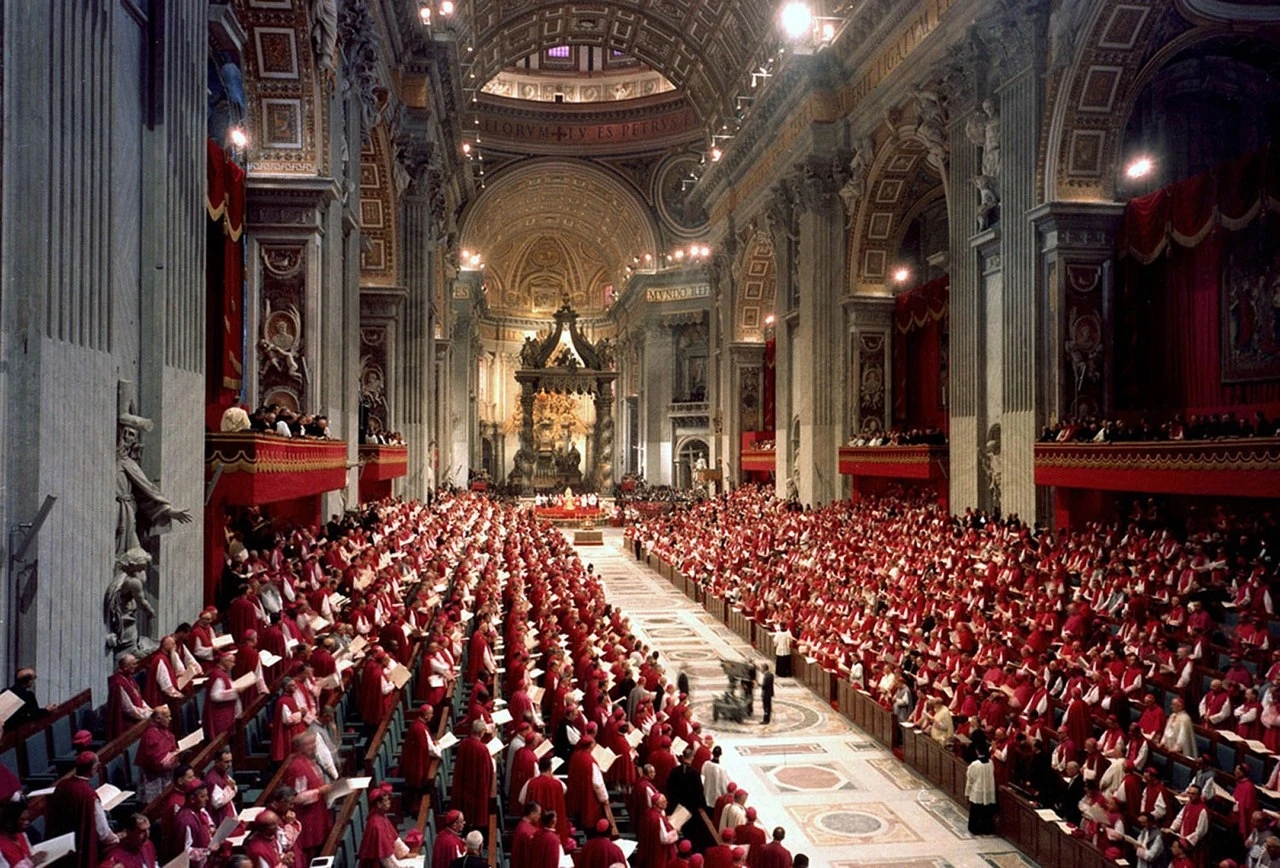
Второй Ватиканский собор является нелегитимным собором, а его декреты противоречат дособорному учению;
Формулы рукоположения священников и хиротонии епископов, установленные Вторым Ватиканским собором, являются ошибочными, а значит все священники и епископы, рукоположенные по ним, на самом деле таковыми не являются.
Разные группы седевакантистов по разному расставляют приоритеты между этими тремя пунктами и по разному описывают их техническое воплощение. Но данные три принципа присутствуют почти у всех.
Какие ваши доказательства?
Чтобы доказать свой первый довод – нелегитимность всех постсоборных пап, седевакантисты, как правило, указывают на множество скандальных поступков и высказываний разных пап. Например:
Иоанн Павел II целовал Коран;
Иоанн Павел II встречался и молился с представителями других религий;
Франциск принес в Ватикан языческие идолы;
Франциск сказал, что все религии равны.
Все это, по мнению седевакантистов, является отступлением от прежнего учительства Церкви. А если человек впал в ересь и сам себя отлучил от Церкви, как он может занимать пост внутри Церкви? Из этого делается вывод, что постсоборные папы занимали его незаконно.
Далее идет второй довод – нелегитимность Второго Ватиканского собора. Здесь в ход идут отрывки из документов этого самого Собора, которые, по мнению седевакантистов, можно двояко истолковать. Один из самых популярных примеров:
«Но спасительный Промысел объемлет и тех, кто признает Творца, и среди них, прежде всего, мусульман, которые, исповедуя свою приверженность вере Авраама, вместе с нами поклоняются Богу единому, милосердному, Который будет судить людей в последний день».
Lumen Gentium, 16
Указывая на подобные пассажи, седевакантисты делают вывод, аналогичный выводу о папах: Собор противоречит предыдущему учению Церкви, а значит он еретический и нелегитимный.
Третий аргумент – нелегитимность рукоположений священников. По словам седевакантистов, в новой формуле рукоположений отсутствует упоминание сакраментальной природы священства, то есть обязанности приносить жертвы Богу. В доказательство они ссылаются на папу Льва XIII, который по той же причине признал англиканские рукоположения нелегитимными. Соответственно, если применять эту логику последовательно, рукоположения, совершенные после Второго Ватиканского собора, нужно приравнять к англиканским и отвергнуть.
Пробелы седевакантизма
Первое, с чем сталкивается человек, пытающийся ознакомиться с позицией седевакантистов, это проблема курицы и яйца между двумя их ключевыми позициями. Здесь могут быть два варианта:
Семь последних пап являются нелегитимными, потому что одобрили еретический Собор;
Второй Ватиканский собор является нелегитимным, потому что его одобрил антипапа.
У обоих вариантов есть очевидные изъяны. В первом случае логику нарушает первый «антипапа» в списке седевакантистов – Иоанн XXIII, который созвал Второй Ватиканский собор, однако умер до того, как тот принял какие-либо решения. Во втором случае ключевым «антипапой» становится преемник Иоанна XXIII, одобривший решения Собора – Павел VI. Проблем с этой гипотезой еще больше – седевакантистам приходится как-то объяснять тот факт, что несколько тысяч высших иерархов Католической Церкви, большую часть из которых назначил еще Пий XII, одномоментно впали в ересь, избрали антипапу, а затем подписались под решениями Собора. Ведь даже те иерархи, кто оппонировал реформам, не были седевакантистами и не ушли в раскол.
В попытке доказать свой первый аргумент, седевакантисты часто используют тактику, известную как Gish gallop – заваливают слушателя потоком скандальных фактов и высказываний пап, не позволяя вдумчиво рассмотреть каждый случай. Но если разобрать эти примеры по отдельности, окажется, что они вовсе не столь однозначны. Например, до сих пор до конца не понятно, знал ли Иоанн Павел II, что целует Коран, а не Библию на арабском языке – ведь на том мероприятии были в том числе католические иерархи из арабских стран.
Точно так же, когда речь заходит о Втором Ватиканском соборе, седевакантисты часто вырывают цитаты из контекста, чтобы подтвердить заранее готовый нарратив. В том же Lumen Gentium, где говорится о мусульманах, есть и другой, менее цитируемый ими фрагмент:
«Основываясь на Священном Писании и Предании, он учит, что эта странствующая Церковь необходима для спасения... Поэтому не могут спастись те люди, которые, зная о том, что кафолическая Церковь, основанная Богом через Иисуса Христа, необходима, всё же не желают войти в неё или оставаться в ней».
Lumen Gentium, 14
Этот отрывок полностью разрушает тезис, будто Собор якобы «отменил необходимость Церкви для спасения».
Наконец, аргумент о «нелегитимности» формулы рукоположений просто не выдерживает проверки: новая формула содержит слова «Да хранит тебя Иисус, дабы освящать христианский народ и приносить жертву Богу», то есть необходимое упоминание не было убрано. На это седевакантисты не отвечают ничего, кроме «это не считается», по причинам, только им известным.
Выводы
Под конец стоит сказать, что главная проблема седевакантизма – это отнюдь не слабые аргументы. Движение было обречено остаться маргинальным из-за своего радикализма и реакционной природы. С одной стороны, убедить хотя бы значимую часть католиков в том, что вот уже почти 70 лет у них, оказывается, нет папы, что Церковь фактически умерла – невыполнимая задача. Даже в традиционалистских кругах эта точка зрения остается маргинальной, в то время как большинство ищет решения текущего кризиса в единстве с Церковью. С другой, седевакантизм является порождением этого самого кризиса и, скорее всего, закончится вместе с ним. В конечном счете, седевакантизм уничтожит то, что уничтожает любое радикальное и реакционное движение – решение кризиса более умеренными методами.