Political science
Political science is the art of understanding power, hidden not only in laws and institutions but also in human ambitions, fears, and hopes. It listens to the echoes of the French Revolution, where the idea of freedom first sounded as a challenge to the old order, and reflects on the legacy of the Cold War, which divided the world into ideologies and spheres of influence.
At its core lies the search for balance between authority and society, between order and freedom, where thinkers like Niccolò Machiavelli sought to reveal the nature of power, and John Locke to justify the right to liberty and the consent of the governed.
Articles
3
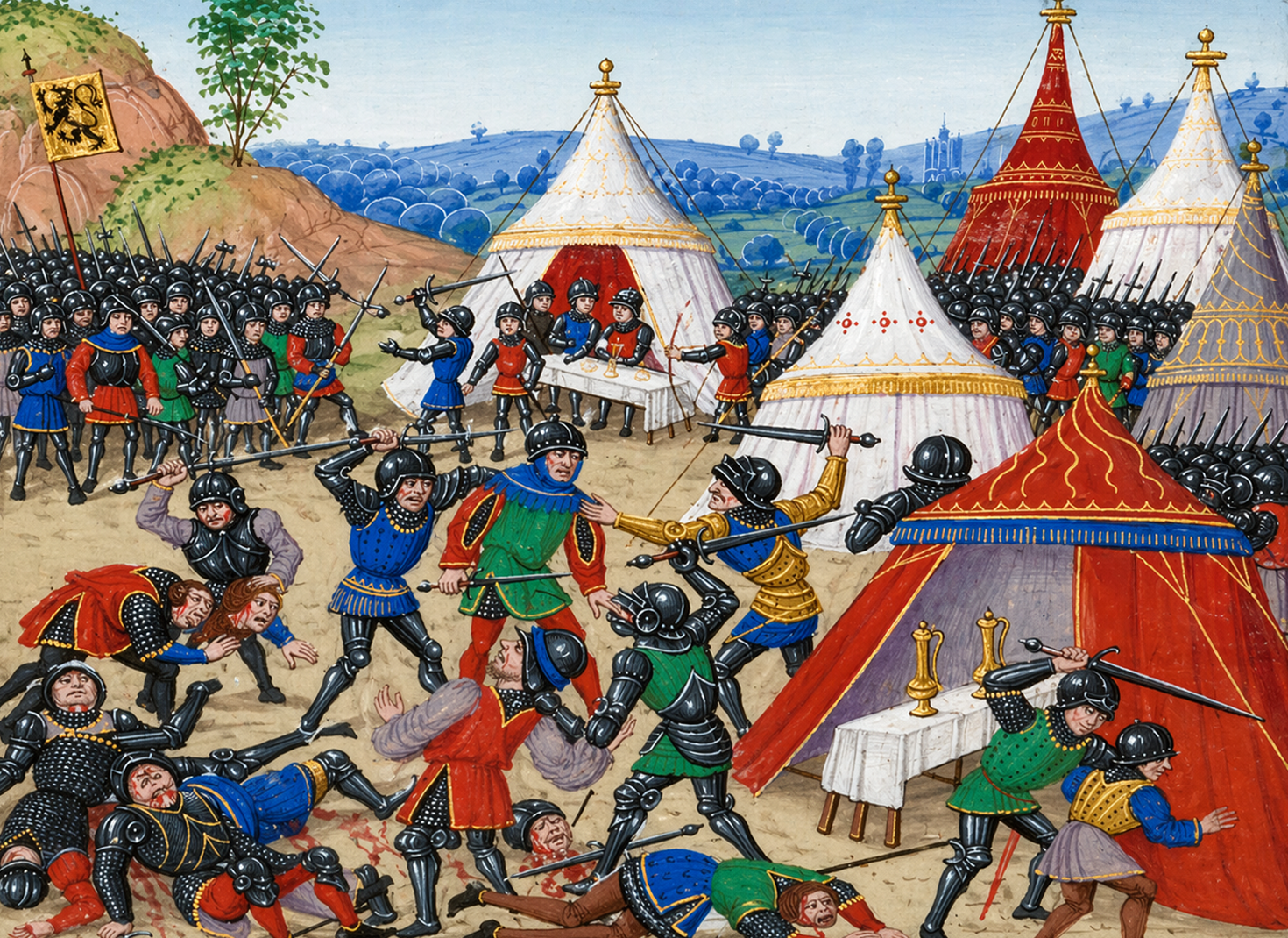
Civil War: The History of the Concept
In his article, historian Said Zalyaev traces the emergence and subsequent transformations of the meaning of the term "civil war" from Antiquity to the 21st century. At the same time, using examples from England, France, the USA, and Russia, he examines how "civil war" relates to "revolution."
4
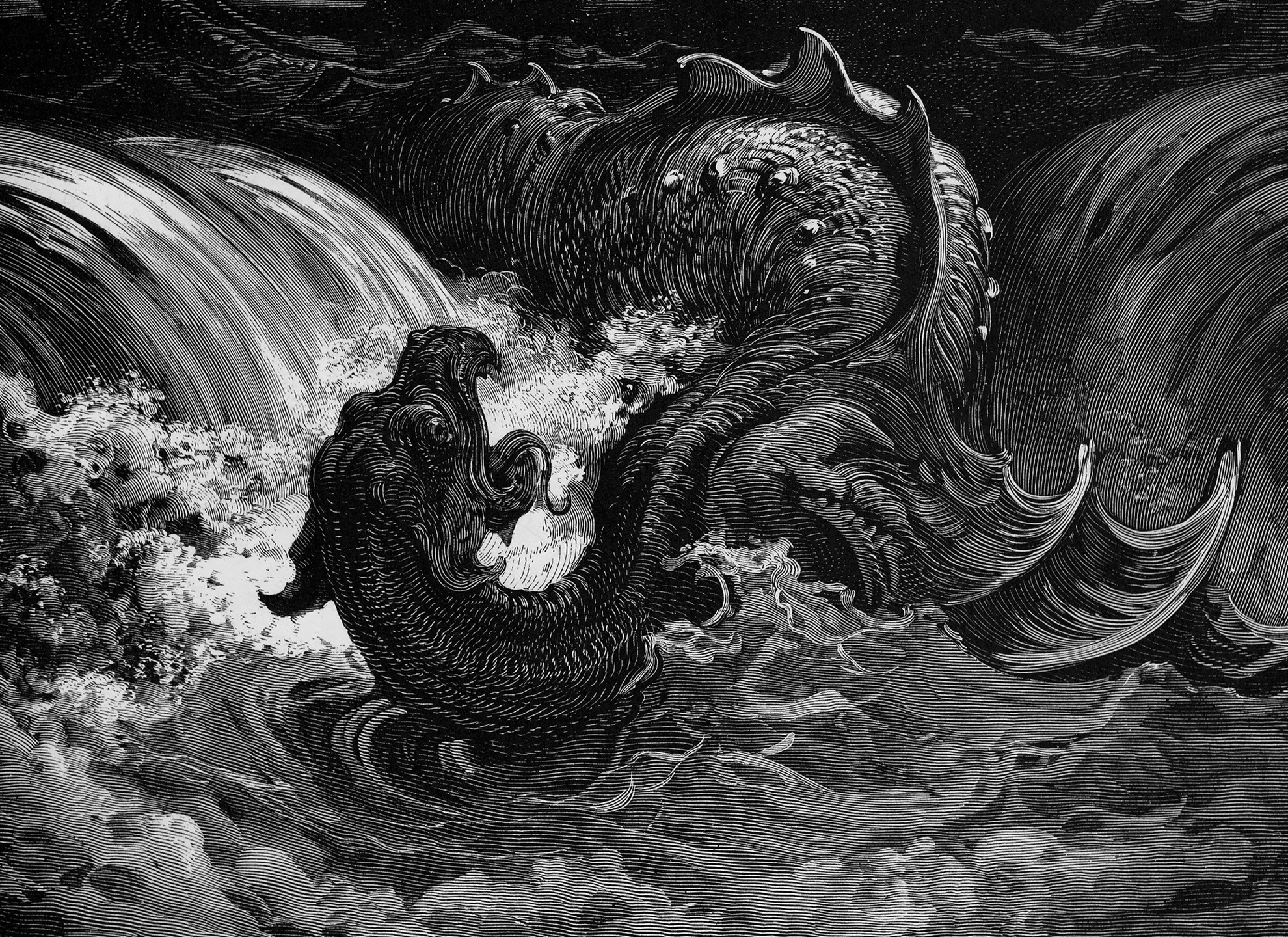
The State: History of the Concept
In his article, historian Said Zalyaev examines how during the Modern Era in Western Europe, the meaning of the concept of "state" transformed from a statement of a ruler's effectiveness to the definition of an abstract political entity with territory and population. Additionally, the author traces the history of the Russian-language concept of "gosudarstvo" and compares it with Western European counterparts.
Courses
4
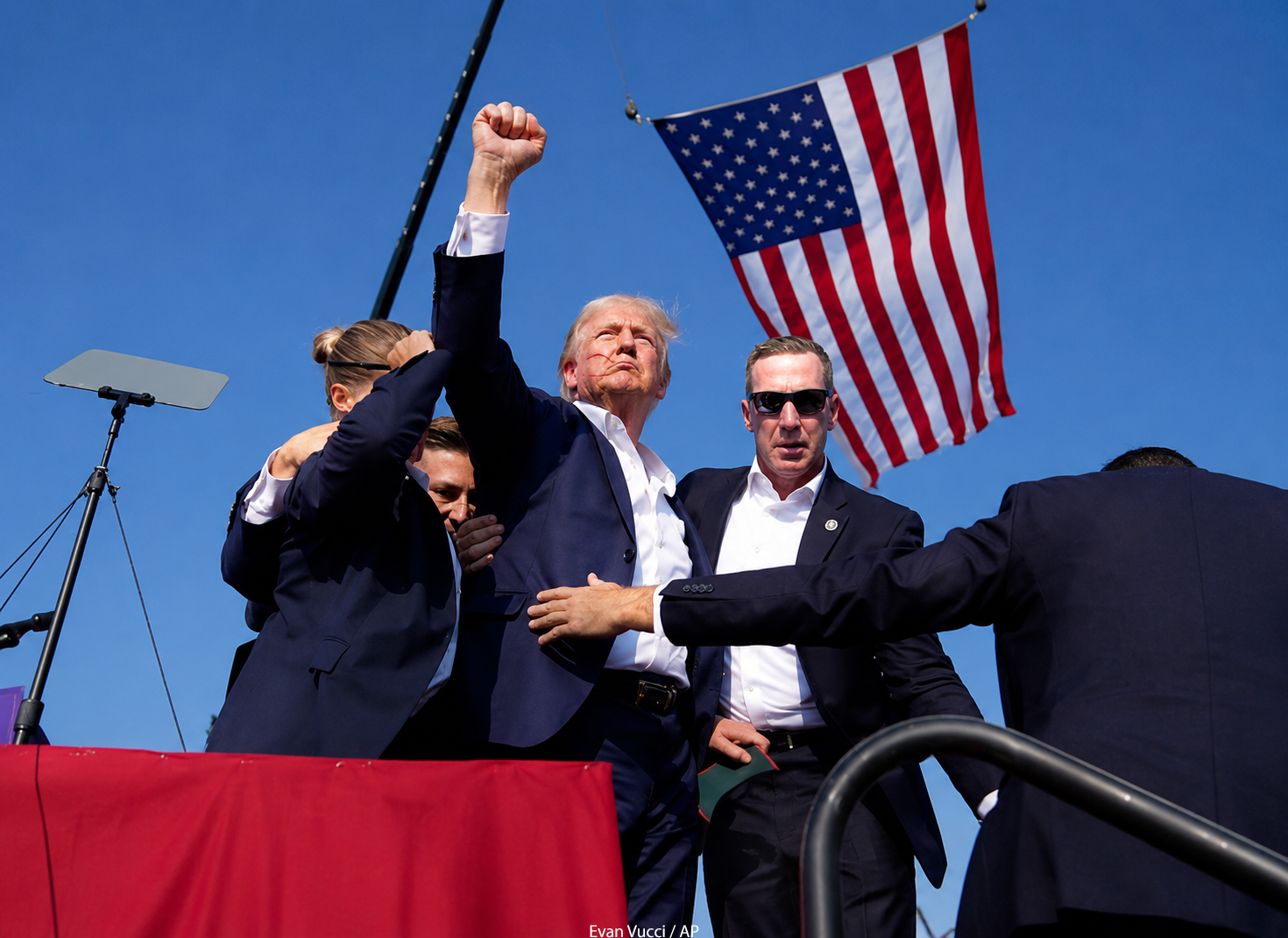
Trumpiad: The Electoral Odyssey of Donald Trump (1987-2024)
Americanist Pavel Dubravsky analyzes the phenomenon of Donald Trump: from his first steps in big business to his return to the White House despite defeat, criminal cases, and two assassination attempts. What principles and strategies transformed a man with no political experience into a figure who rewrote the rules of American politics? A course on the character, mistakes, and decisions that made Trump who he is, and on which of these lessons work far beyond politics.
4
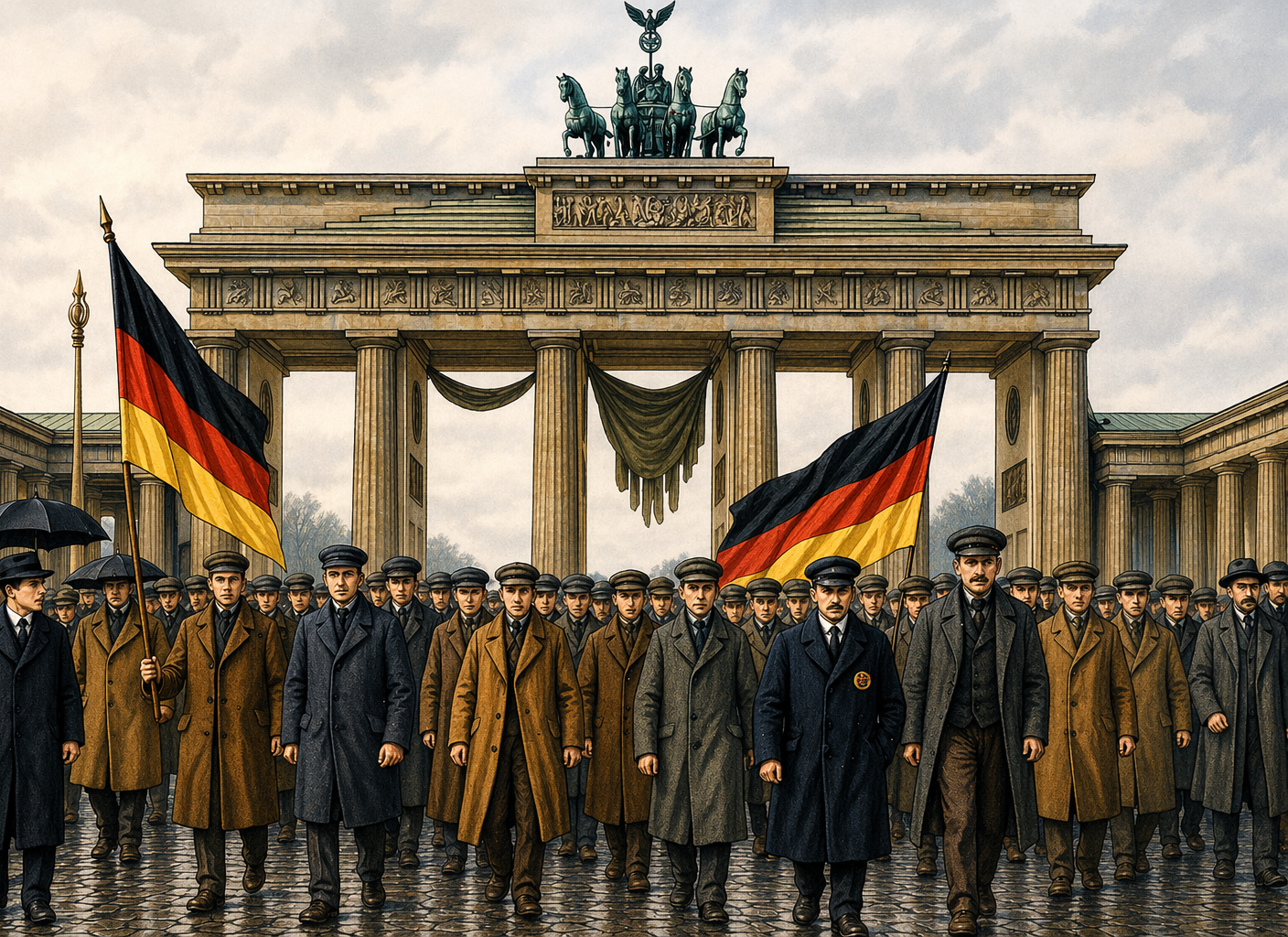
Parties of the Weimar Republic
The history of the Weimar Republic is inextricably linked with the history of political parties. Like the republic itself, these parties did not appear out of nowhere and did not disappear into oblivion. The roots of most of them lay in the Kaiserreich, and after a 12-year Nazi hiatus, most were reestablished or served as the foundation for the creation of new parties that defined the political life of both German states in the second half of the 20th century.