History

Nikita Tsybikov
Historian
The Genesis of Dictatorship
In 509 BC, more than two centuries after the founding of the Eternal City, King Tarquin the Proud was overthrown in Rome. The monarchical regime was replaced by a republican system. Instead of a king, Rome was now governed by the Senate and the people, with the highest officials being the annually elected consuls. This is how the establishment of the Republic is described by Titus Livius in his "History of Rome from the Foundation of the City."
Livius also reveals the origin of the dictatorship. He claims that the dictatorial magistracy arose almost immediately after the overthrow of the monarchy. Tarquin the Proud, an Etruscan by origin, did not cease his attempts to regain power with the help of Etruscan troops, while the Roman plebeians actively opposed the absolute power of the patricians. In this situation, the fledgling republican system faced both an external enemy and internal turmoil. The Senate and the patricians decided that they needed, in modern terms, a "crisis manager" – a person capable of uniting society to overcome the crisis. This person was Titus Larcius Flavus, the first dictator of Rome. The version of Titus Livius is questioned by modern researchers, as the historian wrote his work more than four centuries after the events described.
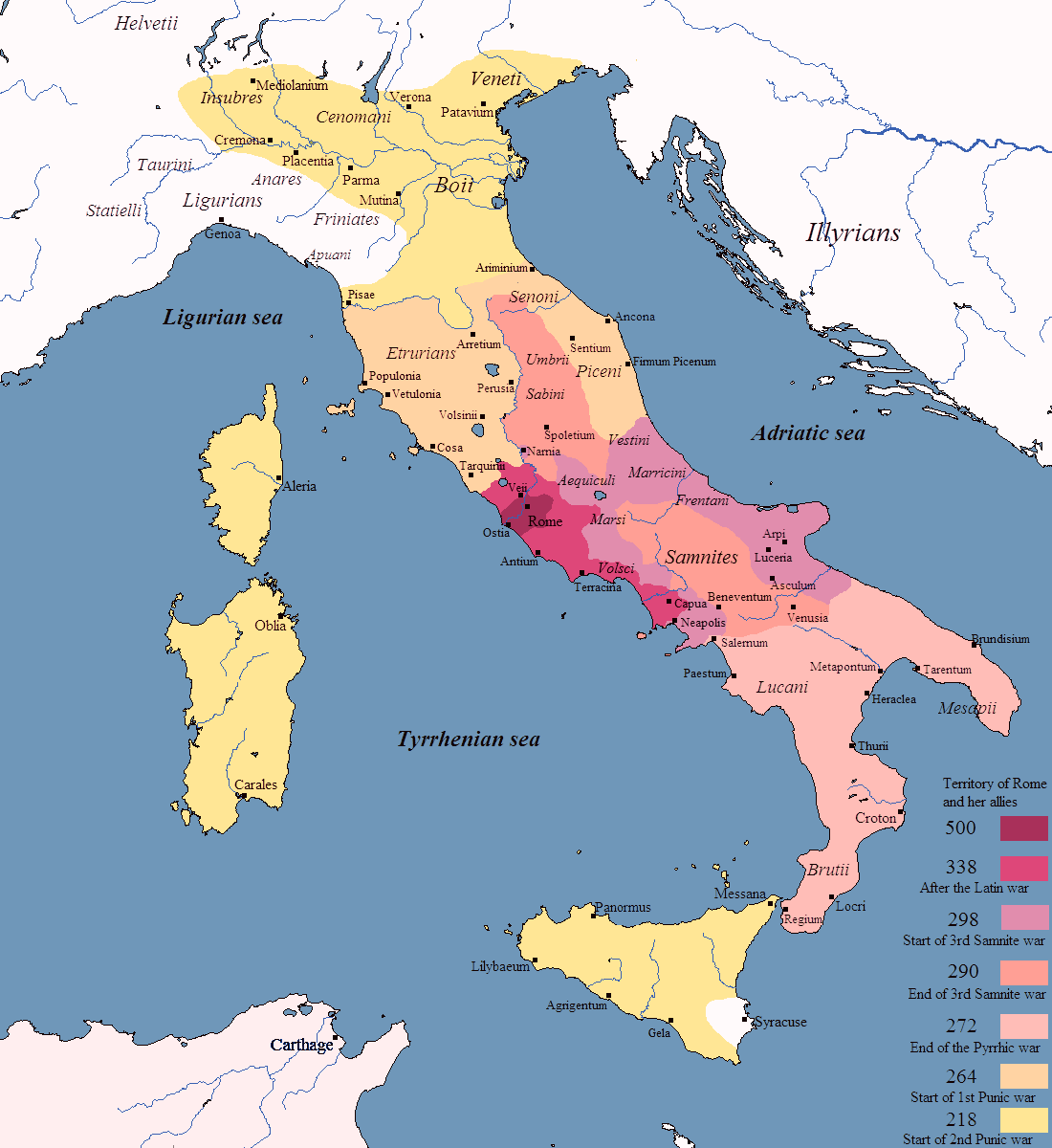
In Livius's account, the dictatorship was an integral part of the Republic's constitution, a legitimate institution intended to overcome acute crises. According to another version, the position of dictator had a Latin origin. The fact is that by the beginning of the 5th century BC, Rome had subjugated the Latin tribes, united in the Latin League. A dictator was needed for more effective command of the allied, Roman and Latin, troops.
Due to the poor preservation of sources from the first decades of the Republic, it is difficult to establish the specific circumstances of the introduction of the dictatorship. However, we can assert with certainty that the Republic, from the very beginning of its existence, regularly faced external threats – the Roman polis, although playing a prominent role in the Latin League, was far from hegemony in the territory of Italy for a long time. Moreover, the conflict between the patricians and plebeians continued, which also provoked internal turmoil.
In this situation, it seems logical that collegial governance in the form of the Senate and consuls could have been ineffective. Decisive and prompt measures were needed to overcome crises. It should be noted that in Rome there were both ordinary magistracies, operating under normal conditions (consuls, censors, praetors), and extraordinary ones, operating in exceptional cases (dictators, triumvirs, decemvirs, interreges). The slow collegiality was replaced by sole governance in the person of a dictator—a person, as a rule, already known among the people and enjoying high authority among the nobility. Otherwise, he simply would not have been able to effectively perform his duties.
The first reliably known dictators of Rome date back to the 5th century BC. The order of their appointment is not entirely clear—it seems to have been a procedure not regulated by law. The nomination of a dictator could occur at the initiative of both the consul, the Senate, and the people's assembly. A dictator was appointed for 6 months and became the highest official of the Republic: he was the commander-in-chief of the army, consuls were subordinate to him, he had immunity from prosecution, could freely determine punishments for criminals, and much more, but his main advantage over other magistracies was that the dictator acted alone.
In historiography, there is an opinion that initially the position of dictator was called “magister populi”, which is translated as “master of the people” or “master of infantry”. The dictator also had a subordinate personally to him “magister equitum”, that is, “master of horse”. The presence of the position of master of horse as an assistant to the dictator indicates the military origin of the dictatorial magistracy. This version, in particular, was supported by the famous German historian Theodor Mommsen.
It should not be thought that the power of the dictator was absolute: he could not ride a horse within the walls of Rome (this was considered a royal honor), used the treasury only with the consent of the Senate, and could not leave the borders of Italy. The struggle between patricians and plebeians led to the emergence of the plebeian magistracy of the people's tribunes, who were supposed to protect the people from the arbitrariness of the patricians and veto any Senate decisions that did not suit the plebeians. The people's tribunes were the only magistrates who could disobey the will of the dictator.
The powers of the dictator were also limited by the purpose of the appointment. Completing the task before the formal end of the term, although it did not eliminate the action of the dictatorial “imperium”, in practice deprived it of legitimacy in the eyes of the Romans. This is the reason why dictators so quickly relinquished their powers and rarely held this position for the full six months.
Researchers identify the following goals or “causa” for the appointment of dictators:
War;
Rebellion;
Judicial processes;
Elections or convening of people's assemblies in the absence of consuls;
Religious festivals, in particular the driving of a nail in the Temple of Jupiter or the Roman Games.
It would be appropriate to consider a number of the most notable early republican dictators to clearly show how this extraordinary magistracy worked in practice.
Hero Dictators
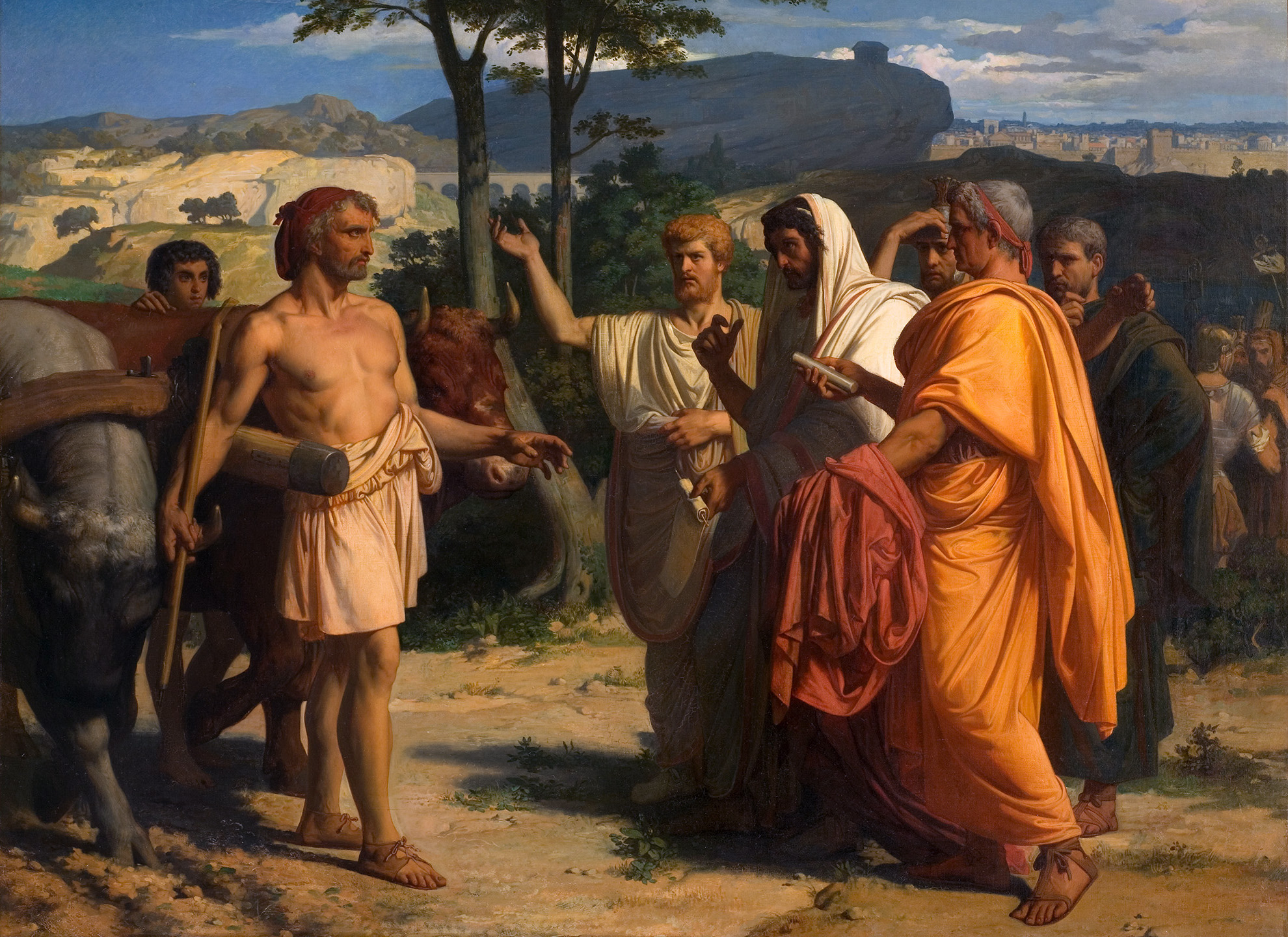
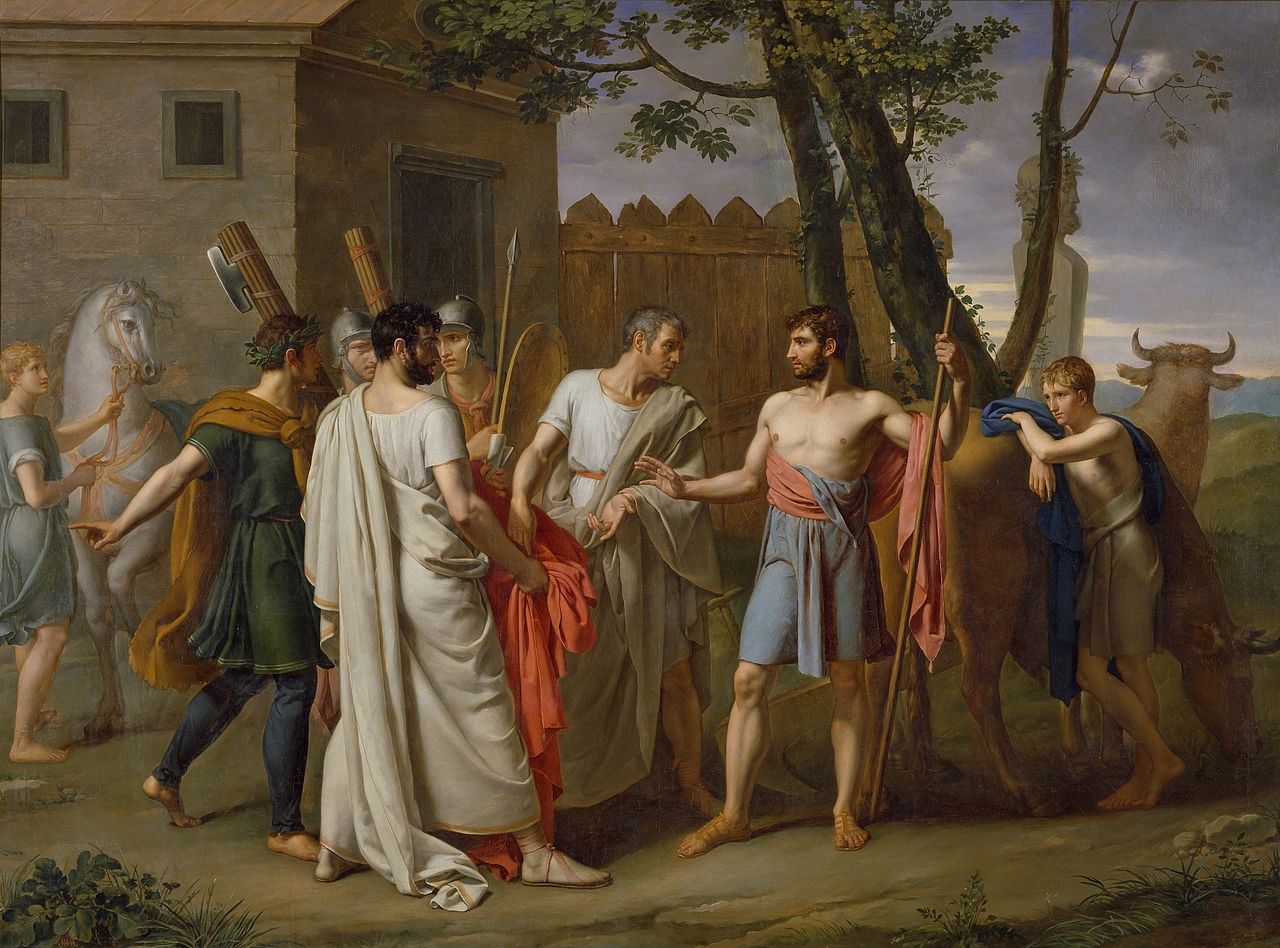
One of the most famous dictators of the early Republic can be named Lucius Quinctius Cincinnatus, who was elected to this position in 458 and 439 BC. Cincinnatus came from the aristocratic Quinctius family, which traced back to the Roman king Tullus Hostilius. He was born around 519 BC, that is, even before the overthrow of Tarquin the Proud. However, Cincinnatus first appears in sources only in the 460s BC, when his son Caeso was accused of banditry. Caeso, being a young and noble patrician, gathered around him a group that exerted forceful pressure on plebeian leaders. The plebeian tribunes brought charges against the young man in court, and the father was forced to defend him. Nevertheless, the son was exiled from Rome, and Cincinnatus became an enemy of the plebeian movement. After being elected consul in 460 BC, he pursued a decisive policy in favor of the patricians, in particular, hindering the codification of Roman law to preserve patrician privileges. Not gaining popularity, Cincinnatus voluntarily left politics and retired to his rural estate.
The dictatorship of 458 BC was associated with the war against the alliance of the Aequi and Sabines. One of the Roman armies was surrounded, and the Senate called upon Cincinnatus, who, although busy with his own farm, agreed to help his fellow citizens. He led a new army, removed one of the consuls for ineffective command, and himself defeated the Aequi and Sabines. After returning to Rome, Cincinnatus celebrated a triumph and relinquished his powers as dictator, having completed the task. His first dictatorship lasted only sixteen days.
The second dictatorship in 439 BC was already associated with the struggle between the patricians and plebeians. The consuls, due to the limitations of their powers, were unable to suppress the plebeian grassroots movement. An elderly patrician was called upon to oppose the plebeian leader Spurius Maelius.
Cincinnatus ordered his cavalry commander Servilius Ahala to bring Maelius to him for questioning. The plebeian leader, fearing the dictator's wrath, attempted to flee, whereupon Ahala caught up with him and killed him. This news shocked the people, and the dictator, in order to calm them, accused Maelius of conspiring to restore royal power. Then Cincinnatus declared that the execution of the troublemaker was lawful because he did not obey the order. After this, the elderly patrician finally resigned his dictatorial powers.
No less outstanding a dictator is considered to be Marcus Furius Camillus, who was born in 446 BC and came from the patrician Furii family. Camillus, during his long life, made a dizzying political career. Unlike Cincinnatus, he held the position of dictator five times, consular tribune (a position replacing the consul) six times, and once served as censor of the Senate.
In 396 BC, the Romans besieged the Etruscan city of Veii. The siege dragged on, and Camillus, already holding the position of consular tribune, was elected dictator before the decisive assault. The assault was successful, the Romans gained rich spoils, but Camillus was accused of its unfair distribution and voluntarily went into exile in the city of Ardea.
Camillus performed his main feat in 390 BC during the invasion of the Gauls, who invaded Italy and defeated the Roman troops at the Allia. Then the Gaul leader Brennus besieged Rome and sent separate detachments to its surroundings for plundering. Incidentally, it is to these events that the legend of the sacred geese saving the Eternal City belongs.
One of the Gallic detachments reached Ardea, but Camillus, leading the local militia, defeated it. The exile began to gather an army to save Rome and demanded an official appointment to the position of dictator. His messenger secretly made his way to the Capitoline Hill, where the besieged were holed up, delivered Camillus's message to the Senate, and it gave its consent.
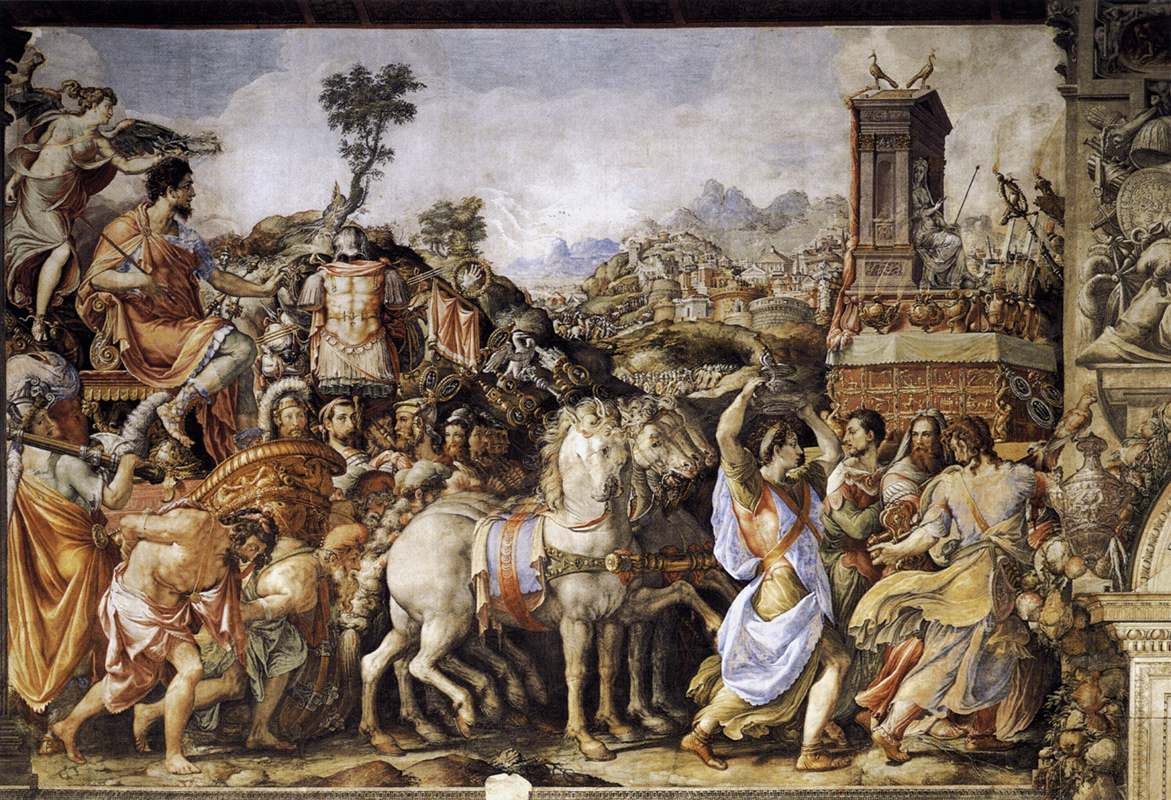
Camillus gathered a large army and managed to approach Rome at the moment when the besieged were already negotiating surrender and payment of tribute. The dictator declared these negotiations illegal and defeated the Gauls in battle, after which he led the restoration of the city. Subsequently, Camillus held this position several more times, always with military objectives. For his feats and services to the Fatherland, he was honored with the glory of the "Third Founder of Rome," and Plutarch himself wrote his biography.
There are also examples of failed dictatorships. In 363 BC, Lucius Manlius Capitolinus Imperiosus was appointed dictator "for the purpose of driving a nail" into the temple wall to rid the people of the plague. However, after the ritual, he attempted to start a war with the hostile Hernici tribe, which caused outrage among the people's tribunes, after which the dictator was forced to resign.
The Essence of Dictatorship
The historicity of Camillus and Cincinnatus is indisputable, yet the complete accuracy of the stories associated with them is questioned by modern researchers. In the beautiful myths of hero-dictators, researchers see the formation of a patriotic ideal and a didactic example for future Roman magistrates. In these stories, the dictator appears as a "crisis manager," whose main interest is duty to the Fatherland. He does not seek power for personal gain but regards it as a tool for achieving benefit for the glory of Rome, after which he relinquishes his powers.
At the same time, these stories also reflect class interests. Dictators of the early Republic were appointed from the patrician class and acted in their interests. It was typical for the Senate to appoint a dictator to suspend the powers of the people's tribunes or the plebeian right to "provocations," that is, the right to appeal to the people's assembly bypassing the Senate. Often, dictators were appointed to conduct elections when, for various reasons, consuls were absent.
However, in most cases, dictators were appointed to achieve more effective military command. This issue was particularly acute at the turn of the 5th and 4th centuries BC, when the magistracy of two consuls was temporarily replaced by the magistracy of consular tribunes. There could be from three to nine of them, and this circumstance further disorganized the Roman army. In these conditions, the position of dictator, as a person to whom the consular tribunes were subordinate, became increasingly important. Subsequently, as the Republic expanded, military operations were conducted further from the Eternal City, so situations where the dictatorship was deemed necessary arose less frequently.
The turning point for the institution of dictatorship was the period of the Punic Wars, as Rome, having already united Italy, faced Carthage, equal in strength. During the First Punic War, dictators were appointed eight times, and during the Second, twelve times. Conducting military operations outside Italy led to situations where consuls were away from Rome for extended periods and could not effectively perform their administrative duties. Then dictators were appointed to conduct people's assemblies, organize Games, and in 249 BC even for military actions outside Italy, which had previously been prohibited. Such a dictator was Aulus Atilius Calatinus, who led the Roman forces in Sicily.
During the Second Punic War, the initial successes of Hannibal Barca in 217 BC at Ticinus, Trebia, and Lake Trasimene greatly frightened the Romans—the Carthaginian commander invaded deep into Italy without much difficulty. In the battle at Lake Trasimene, one of the consuls was killed, and the other was outside Rome, so the election of a dictator took place at the people's assembly. Quintus Fabius Maximus was given dictatorial power, having previously held the positions of consul and censor. Maximus understood the danger of a general battle against Hannibal and insisted on a strategy of "small war"—the legions under his command did not engage the Carthaginians in battle but disrupted their communications and attacked small detachments, betting on exhausting the enemy.
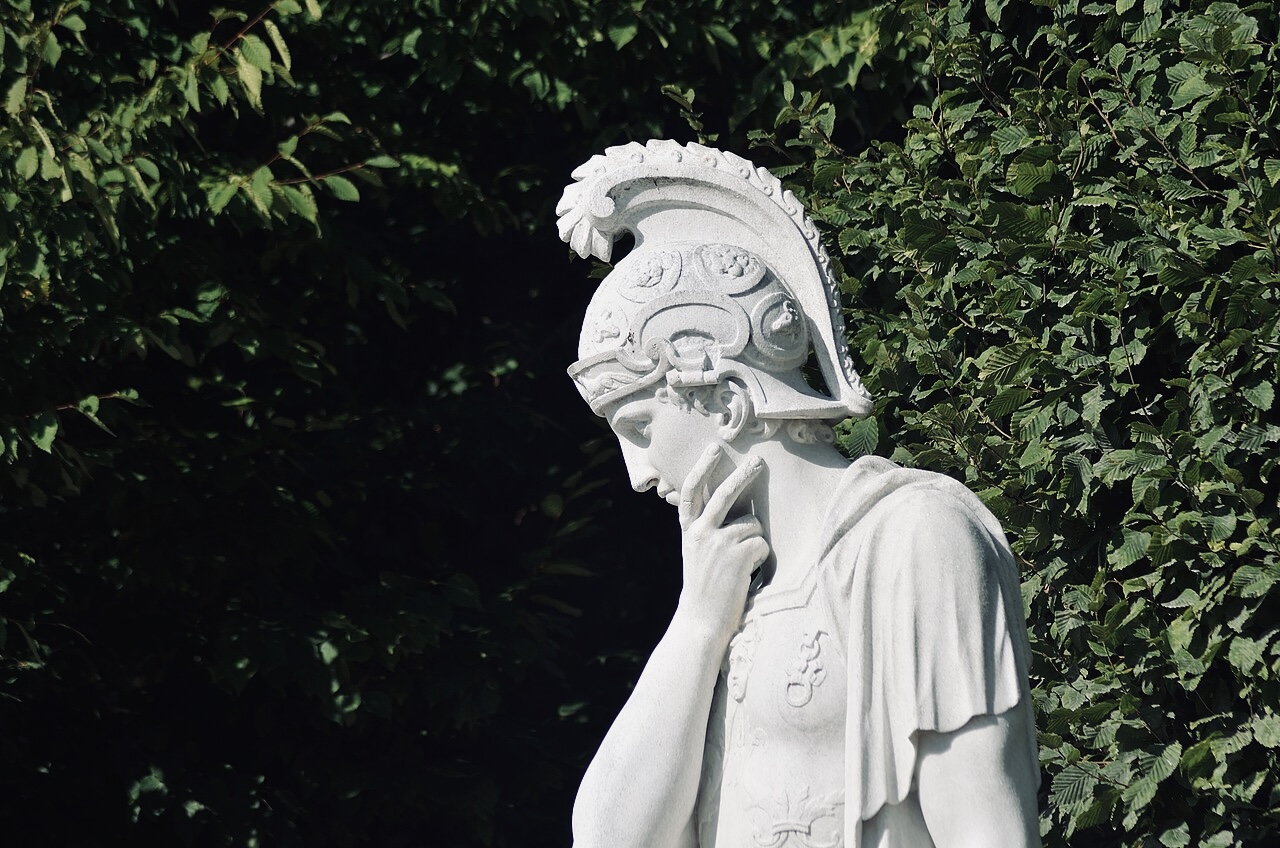
Among the Romans, there were many dissatisfied with such a strategy – the Roman plebeians, whose lands were being plundered by Hannibal, were furious. Their leaders pushed through a decision to equalize the powers of the cavalry commander Marcus Minucius with those of the dictator, and Maximus was forced to give Minucius command of half the army. In the autumn of 217 BC, Minucius was almost defeated at Geronium, but Maximus managed to come to the rescue, and Hannibal retreated. After Maximus's term ended, the new consul Gaius Terentius Varro, spurred on by the plebs, wanted to immediately expel Hannibal from Italy. This resulted in the disaster at Cannae in 216 BC – of the two consuls, only Varro survived, and most of the Roman army was destroyed.
At Cannae, a large number of senators also perished, and to replenish the Senate, a dictator was again appointed – the former consul and censor Marcus Fabius Buteo, who appointed new senators in one day and resigned. Simultaneously, Marcus Junius Pera was appointed dictator for military actions, but he ultimately did not distinguish himself. Subsequently, dictators were appointed only to conduct elections in the absence of consuls.
After the war with Hannibal, the Romans stopped resorting to the dictatorship magistracy, as military actions were now mainly taking place far from Italy. The dictatorship as a tool for overcoming military crises had exhausted itself. The further expansion of the powers of the Senate and the higher ordinary magistracies led to the dictatorship being completely excluded from republican practice. Its military function was replaced by the system of promagistracies, where sole command of troops outside Italy was carried out by provincial governors – proconsuls. The new system was more flexible, and the need to appoint dictators disappeared.
Dictators-Tyrants
During the 2nd century BC, significant changes occurred in Roman society, the most important of which for us is the military reform of Gaius Marius. To increase the size of the army, Marius changed the system of legion recruitment – now the poor could be enlisted, equipped at the expense of the commander, who promised his soldiers land upon completion of service. Thus, the legionaries became loyal not to the Republic, but to their own commander.
The political consequences of the reform were not long in coming. In the 80s BC, a civil war unfolded in the Republic between the popularis Marius and the optimas Lucius Cornelius Sulla. Sulla emerged victorious from this confrontation, becoming the first in history to take Rome with Roman troops. To pursue his enemies and implement necessary reforms, Sulla ensured that the popular assembly elected him as a perpetual dictator "for writing laws and restoring the Republic." While early dictators relied on law and tradition, Sulla was not bound by these frameworks, as he relied on an army personally loyal to him.
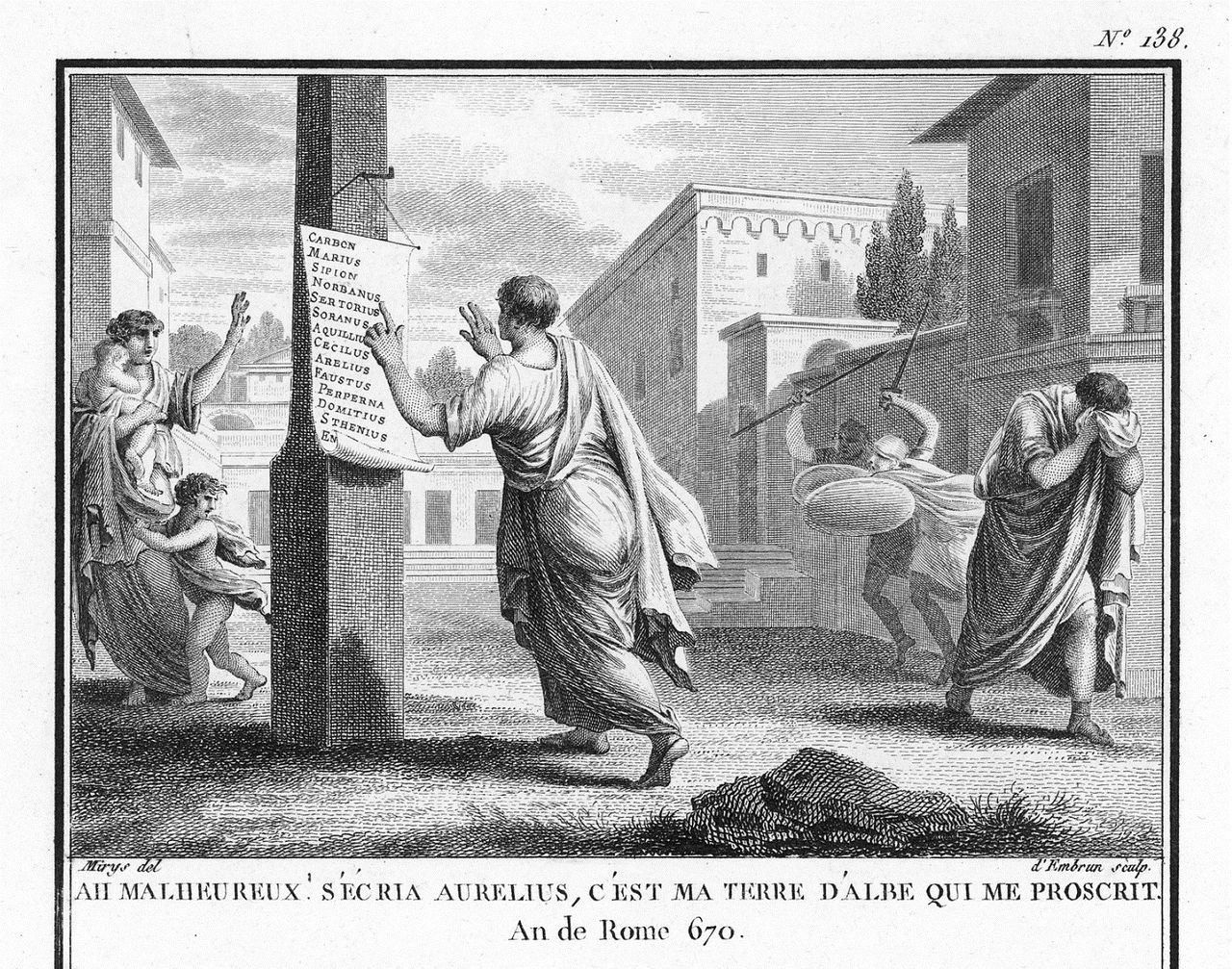
First, he conducted a broad repressive campaign against the popular opposition, which went down in history as the proscriptions. Those who displeased the dictator were included in the proscription lists, and a real massacre of the populares and those suspected of sympathizing with them occurred in the Republic. After eliminating the opposition, the dictator set about strengthening the positions of the senatorial aristocracy. In 79 BC, Sulla resigned his powers as dictator and retired to private life, declaring that he was ready to be held accountable for his actions before the law, but no one came forward to punish the ex-dictator.
The populares took revenge in the 40s BC. In January 49 BC, Gaius Julius Caesar crossed the Rubicon with his legions and initiated another civil war against the optimates, in which he achieved complete victory. In his rule, Caesar also relied on the dictatorial magistracy—he was annually appointed dictator from 49 to 45 BC, until in 44 BC he was declared dictator for life. Unlike Sulla, Caesar did not use his powers for the bloody suppression of the opposition, but used them to lend legality and legitimacy to his rule. The dictator acted in the interests of the broad masses of the Roman population at the expense of the senatorial aristocracy, for which Theodor Mommsen called him a “democratic monarch.”
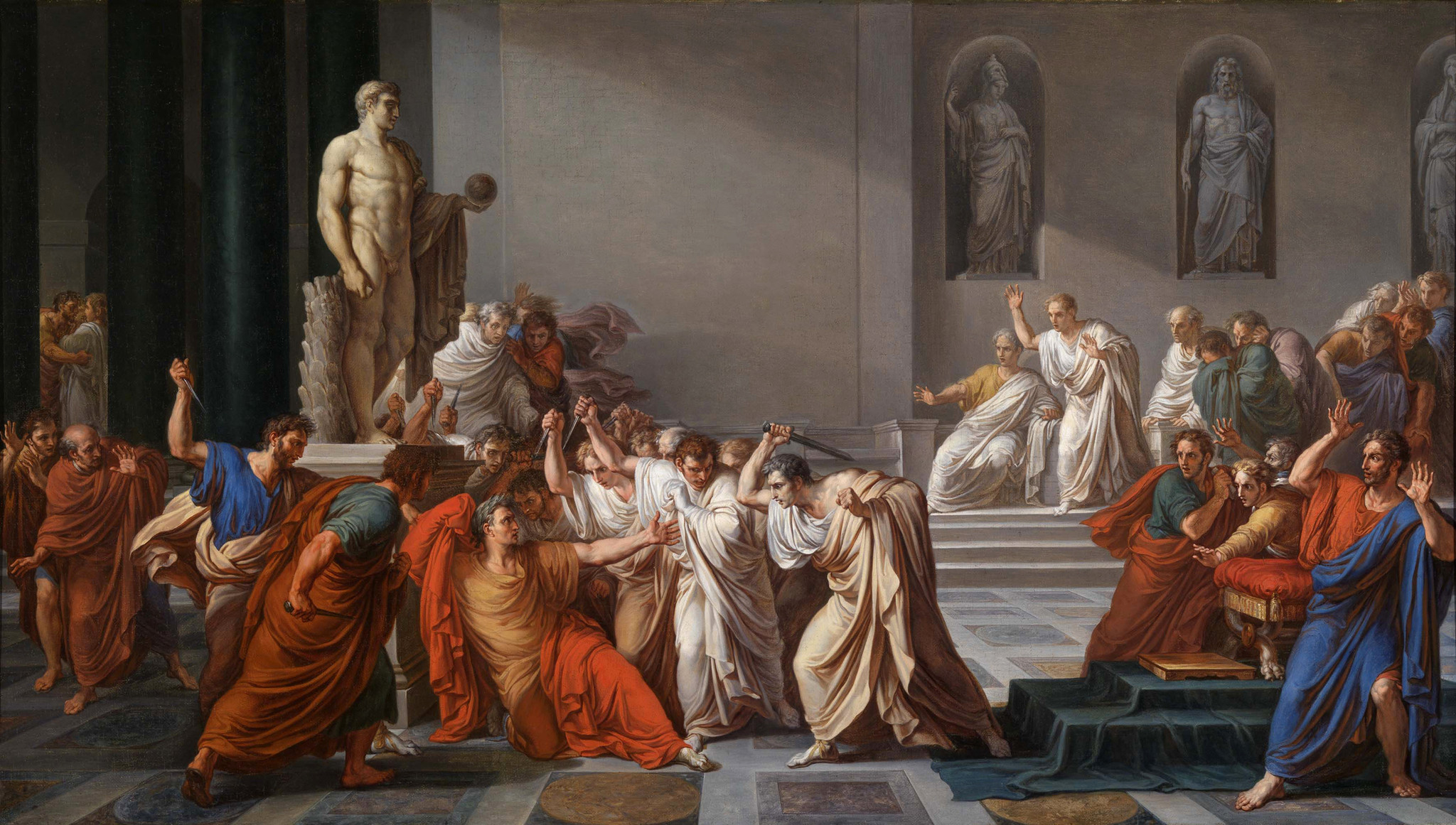
As is known, he was killed on the Ides of March in 44 BC, so he indeed exercised his powers as a dictator for life. After Caesar's assassination, his supporter Mark Antony was forced to compromise with the republican conspirators and passed a law in the Senate abolishing the dictatorship as a legal magistracy. Thus, its history came to a definitive end. After defeating Antony, Octavian Augustus refused the dictatorship offered to him and formally "restored the Republic," albeit under his complete personal control.
Thus, in the last century BC for the Republic, the dictatorship took on a completely new meaning in the eyes of the Romans. From a tool for overcoming crises, it turned into an instrument of political struggle and suppression of opponents. Now party leaders, relying on legions, became dictators in the modern sense of the word. The dictatorship became the legal basis for the monopolization of power by one person, and the hero-dictator was replaced by the tyrant-dictator. It can be said that the dictatorship became a kind of bridge from the fall of the true Republic to its "restoration" already in the form of imperial power.