History

Arsentiy Troporevsky
Сo-author of the Telegram channel “Political Animals”
00:00
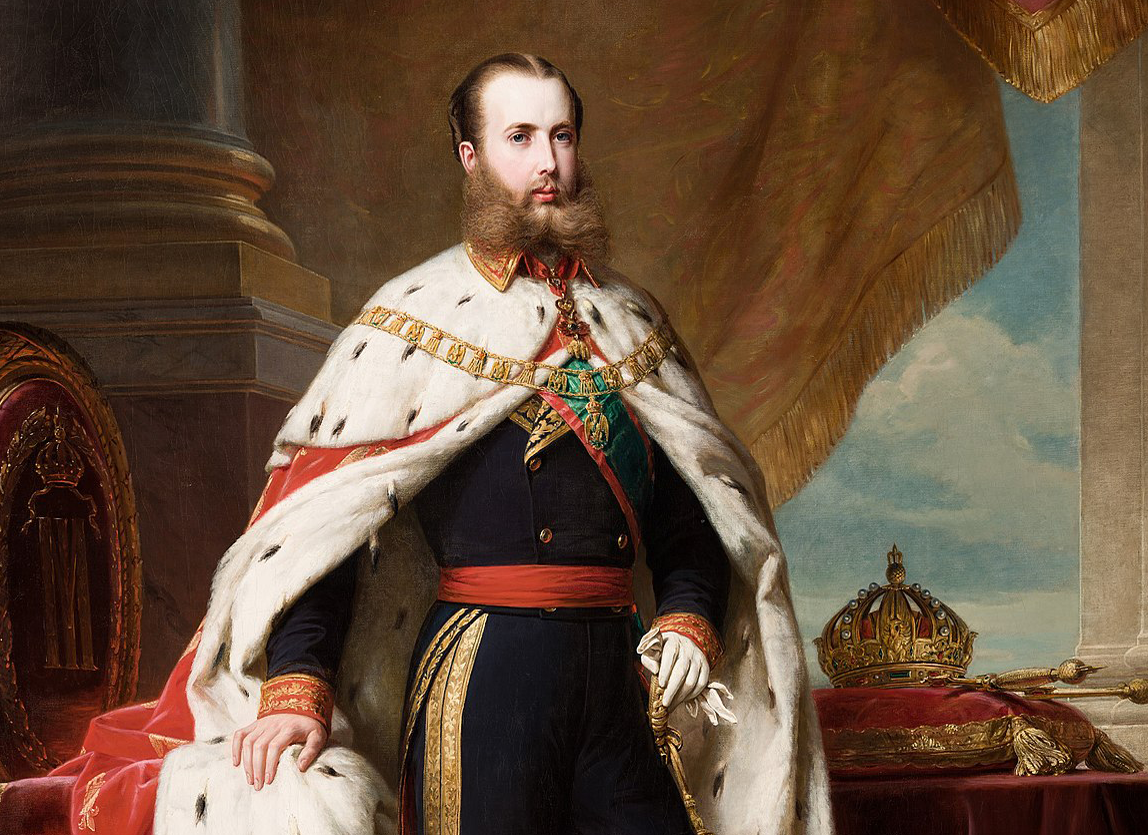
«Я прощаю всех. Я молюсь, чтобы все остальные смогли простить меня, и я хочу, чтобы моя кровь, которая вот-вот прольется, послужила на благо страны. Да здравствует Мексика, да здравствует независимость».
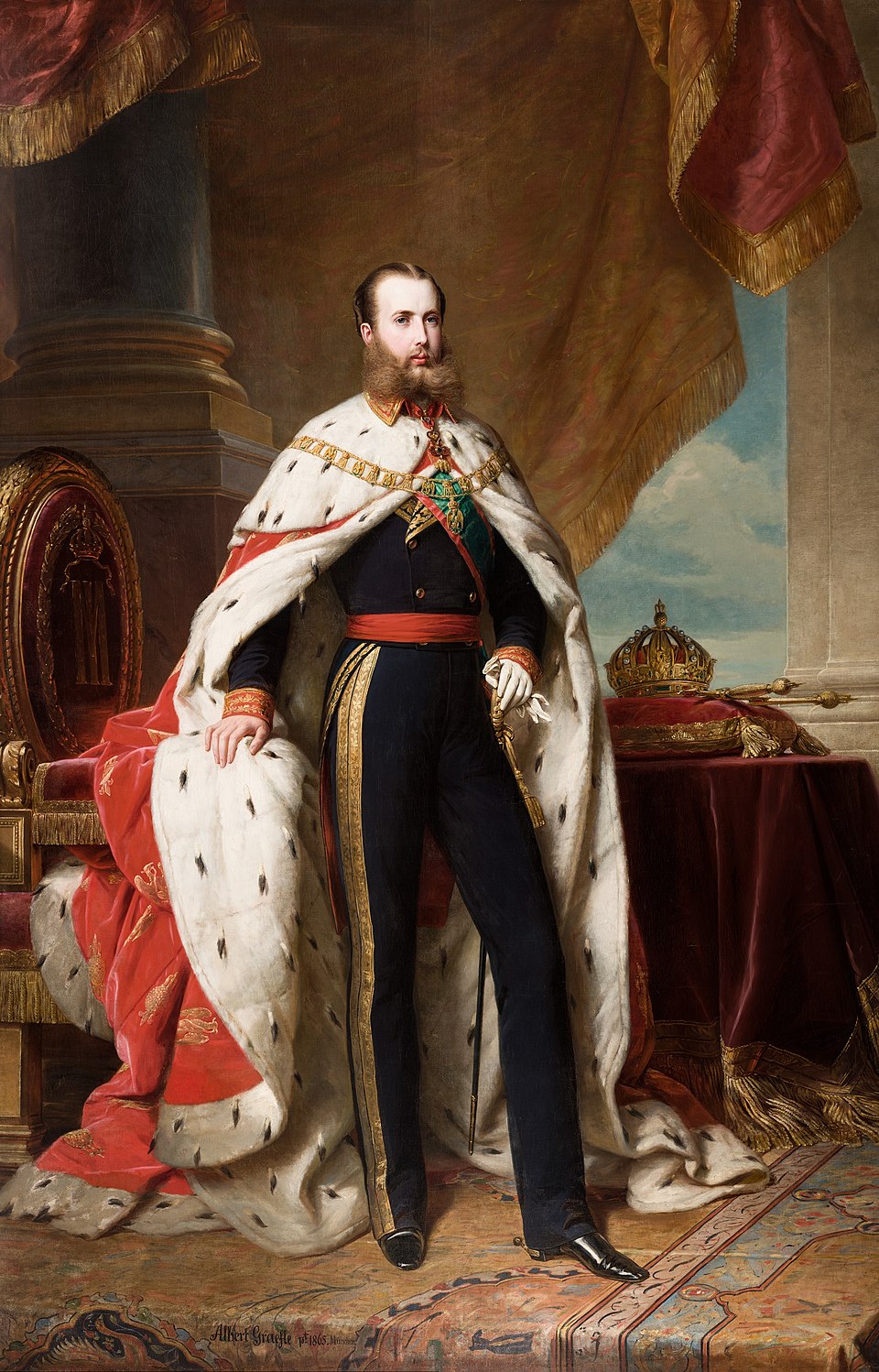
Это последние слова, сказанные первым и последним императором Второй Мексиканской империи Фердинандом Максимилианом Габсбургом перед своей казнью 19 июня 1867 года. Он был обречен с самого начала, когда поверил французскому императору Наполеону III, который вызвал его на царство в только что захваченную Мексику в разгар Гражданской войны.
Чтобы понять, как Габсбурги связаны с Латинской Америкой, в частности с Мексикой, придётся пролить свет на предысторию их власти на этом континенте.
В 1519 году кастильская экспедиция Эрнана Кортеса высадилась на побережье Мексики на территории нынешнего штата Веракрус. Незадолго до этого в 1516 году королем Кастилии и Арагона стал Карлос I Габсбург, который в 1520 году был коронован как император Священной Римской империи Карл V.
Такие конкистадоры как Эрнан Кортес, Франсиско Писарро и Франсиско де Орельяна, принесли власть Габсбургов на новый континент, который гораздо позже в XIX веке с подачи французов станет называться «Латинской Америкой». Прииски, полные драгоценных металлов, которые затем грузили на знаменитые галеоны, стали основным ресурсом для поддержания власти династии в Европе: на эти средства содержались испанские терции, покорявшие и приводившие к повиновению один регион за другим.
Однако звезда испанских Габсбургов закатилась в XVII столетии. Добыча иссякла, а терции утратили свою непобедимость на поле боя. После смерти короля Карла II в 1700 году разгорелась Война за испанское наследство. По её итогам испанский трон вместе со всеми колониями перешел к потомкам французских Бурбонов, правящих этой страной по сей день. Династический приоритет окончательно перешёл к «австрийской» ветви Габсбургов, которые оставались императорами сначала Священной Римской, а затем Австрийской и Австро-Венгерской империи.
Испанские Бурбоны утратили большую часть своих американских владений в первой четверти XIX века после целой череды Войн за независимость. Что касается Мексики, то здесь были сильны позиции социальных консерваторов, которые сначала сражались на стороне Испании против повстанцев и пришли к идее независимости только тогда, когда в самой метрополии в 1820 году произошла либеральная революция. Фактически мексиканские консерваторы и не искали независимости – им просто не оставили выбора.
В 1821 году была провозглашена независимая Мексиканская империя и в следующем году её императором стал консервативный генерал Агустин де Итурбиде, выступавший резко против либерального правительства в Испании. Он понимал, что государство невозможно построить из ниоткуда: оно должна строиться на исторической преемственности, некоей традиции. Поэтому Мексиканская империя была объявлена преемницей империи Ацтеков.
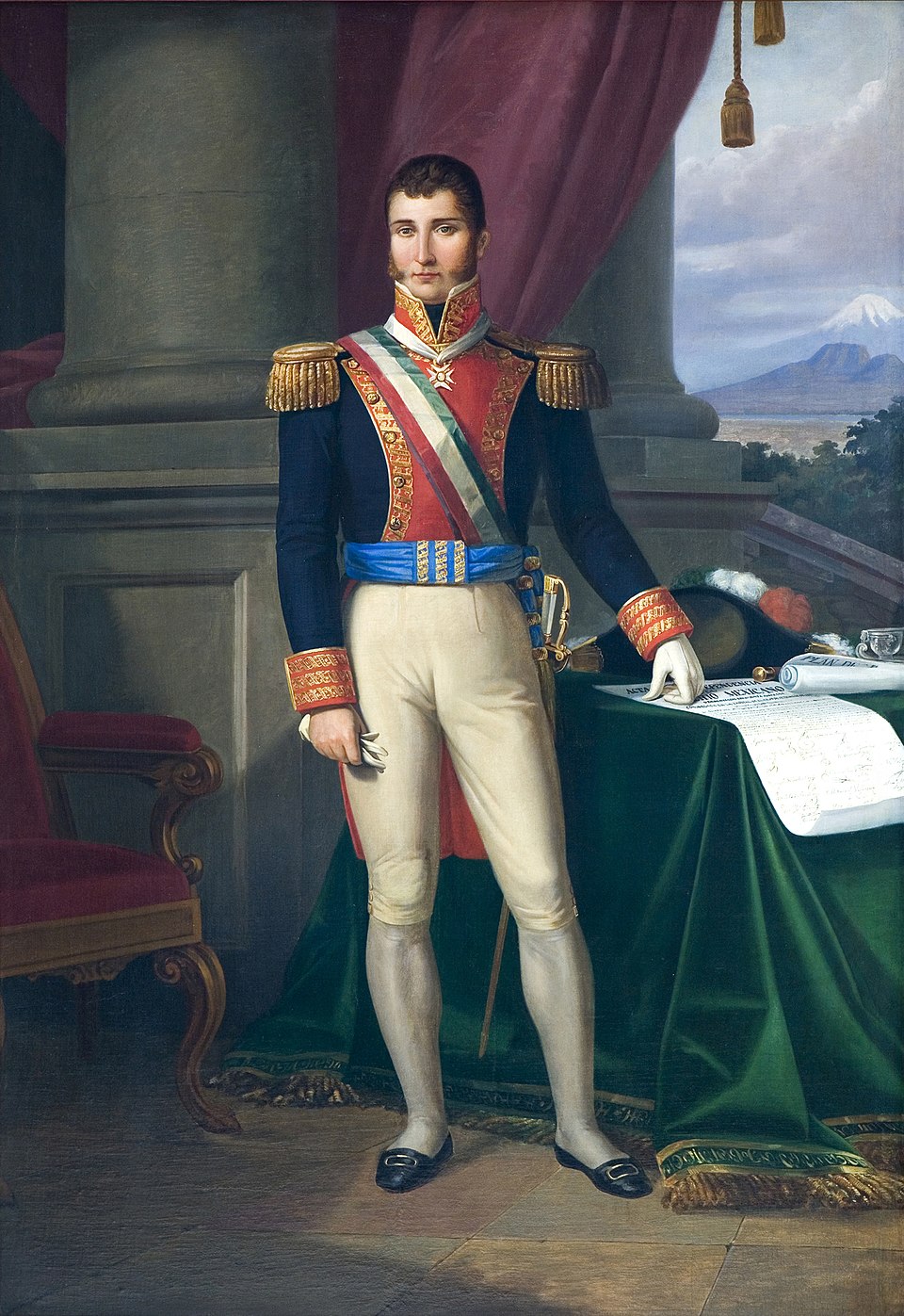
Однако век Первой Мексиканской империи оказался короток. Уже в 1823 году после того, как Итурбиде распустил Конгресс, против императора вспыхнуло восстание, которое возглавил каудильо Антонио Лопес де Санта-Анна. В 1824 году Итурбиде был схвачен и расстрелян новыми республиканскими властями. Впоследствии Санта-Анна несколько раз занимал пост президента: при его правлении Мексика впервые оказалась в состоянии войны с Францией, утратила Техас, а затем и вовсе проиграла войну против Соединенных Штатов и лишилась огромных территорий.
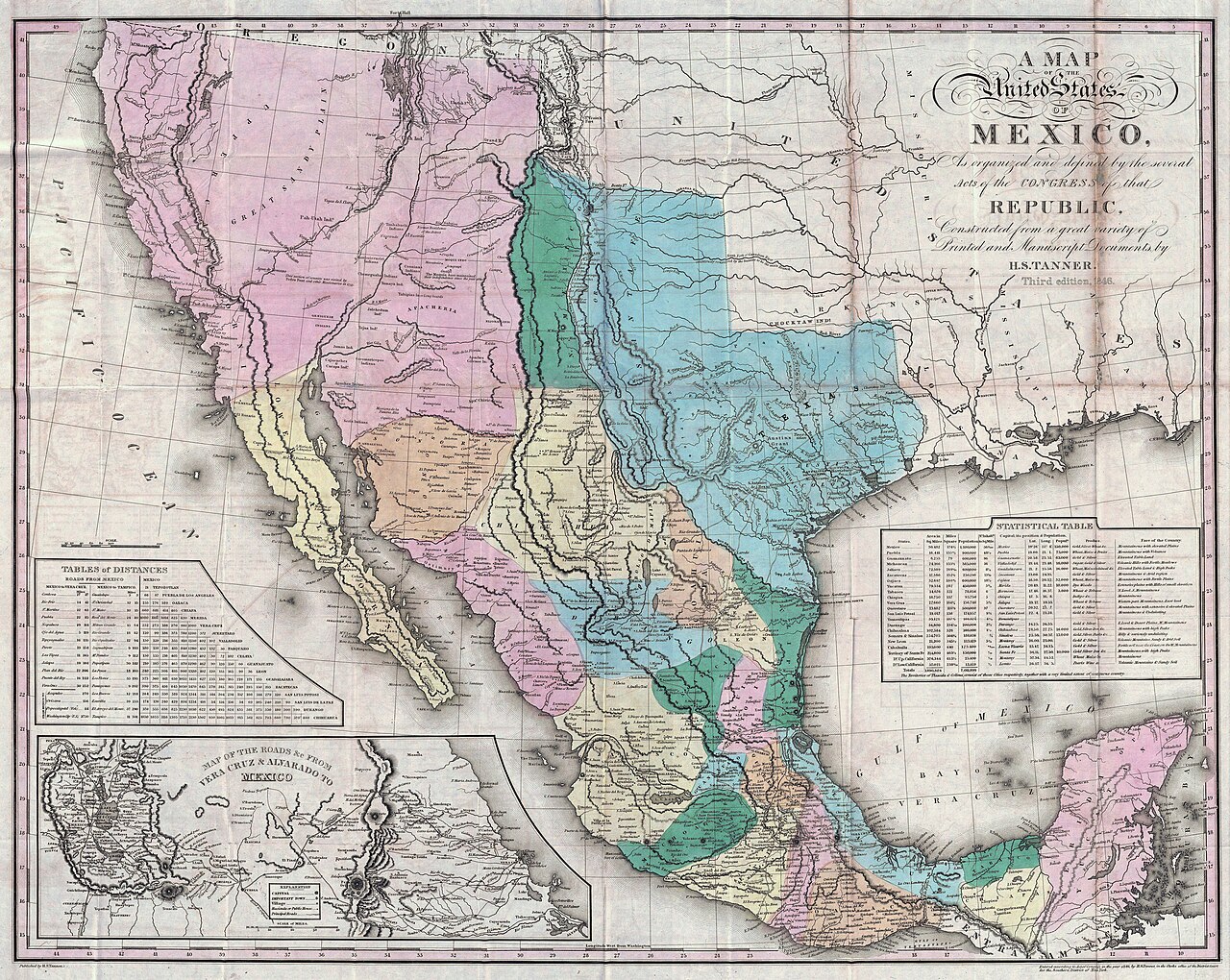
Во внутренней политике страну продолжала раздирать борьба между либеральными и консервативными элитами, которые обладали диаметрально противоположными взглядами на государственное устройство. Если либералы в лице буржуазии стремились к отмене сословных различий и развитию промышленности, то консерваторы в лице аристократов, военных и представителей Католической церкви желали сохранить сословные привилегии и совершенно не были заинтересованы в эмансипации крестьян, трудившихся на их земле. Главы государств менялись очень часто и регулярно становились жертвами заговоров и восстаний. Тот же каудильо Санта-Анна формально был президентом аж пять раз. Однако ближе к середине XIX века в Мексике появился политик, который создавал впечатление, будто способен разрешить кризис и установить сильную власть – это был Бенито Хуарес.
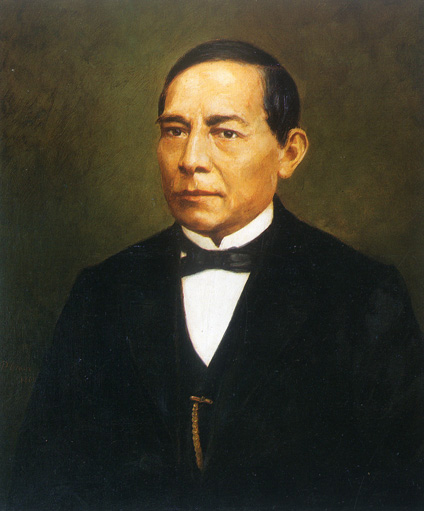
Выходец из крестьянской семьи коренных индейцев-сапотеков, Хуарес вырос в бедности. В возрасте трёх лет остался сиротой и был усыновлен своим дядей. Несмотря на все трудности, он смог получить юридическое образование и сделать карьеру в политике на уровне своего родного штата Оахака. Хуарес впервые вышел на федеральный уровень как либеральный министр юстиции в 1855 году после своего возвращения из американской ссылки и окончательного свержения Санта-Анны. Новое правительство инициировало ряд реформ, воплощенных в Конституции 1857 года, которые ограничивали сословные и имущественные привилегии военных и церкви. Католицизм переставал быть государственной религией, а корпоративная (в основном, церковная) собственность должна была быть распродана частным лицам.
Консерваторы оказали ожесточенное сопротивление реформам и начали Гражданскую войну, которая вошла в историю как «Война за Реформу». К 1860 году внутреннее сопротивление консерваторов было подавлено, и тогда те обратились за помощью к внешним силам.
Тем временем в далекой Франции император Наполеон III строил амбициозные планы по созданию французской колониальной империи в Латинской Америке. У Франции уже был опыт «Кондитерской войны» против Мексики в 1838 – 1839 годах, когда французский флот силой взыскал с этой страны возмещение ущерба за убытки французских граждан, включая одного кондитера, понесенные ими в ходе гражданских беспорядков.
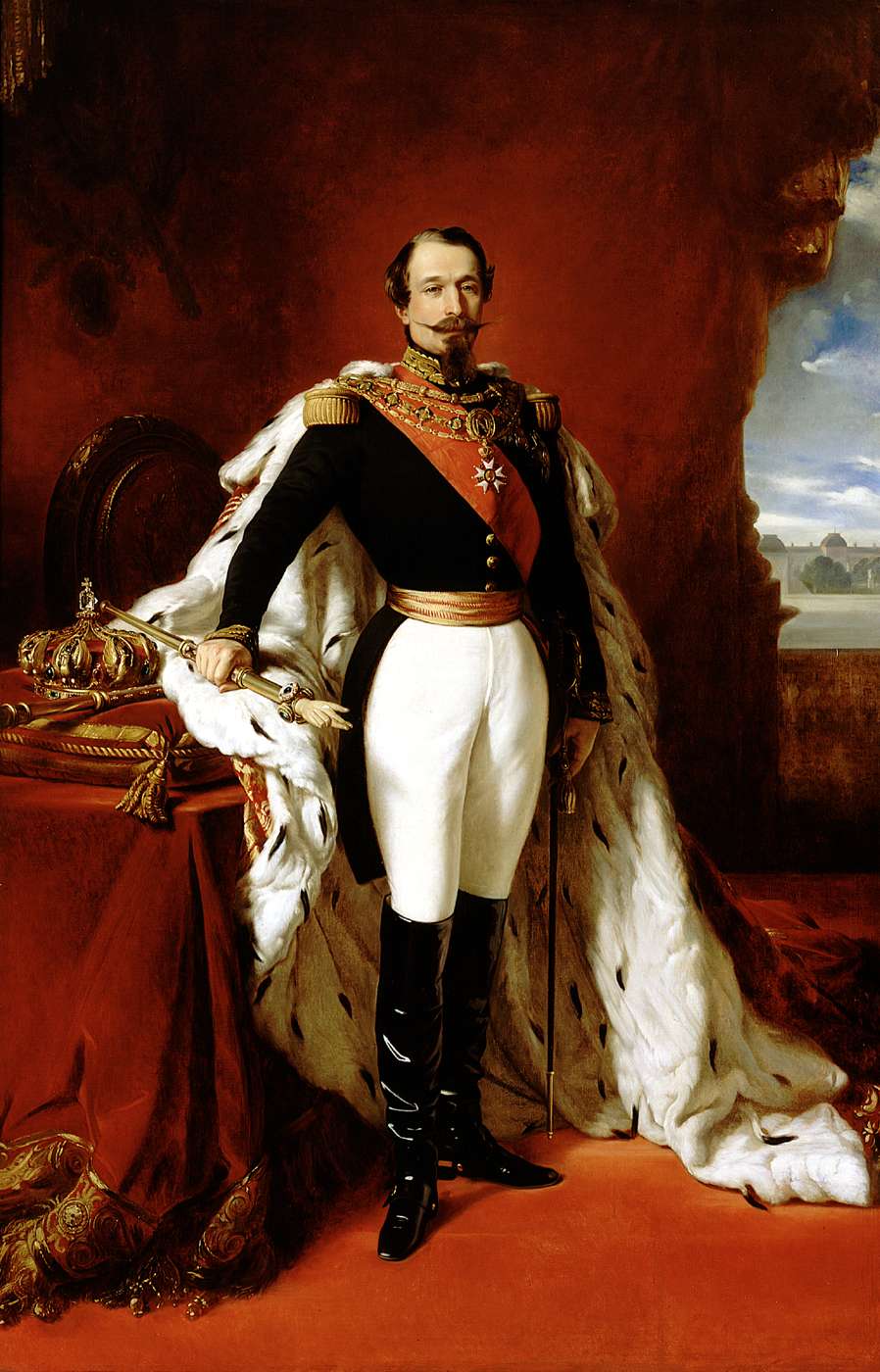
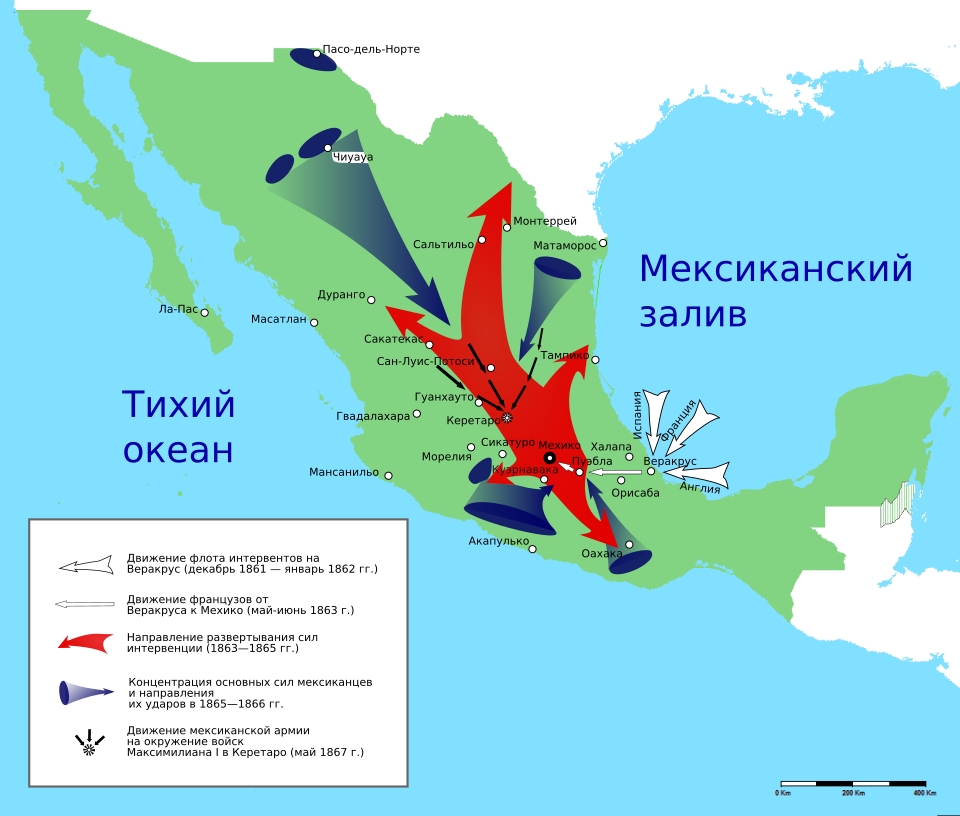
Под предлогом очередного взыскания неуплаченных долгов Франция присоединилась к экспедиции испанцев и британцев и во второй раз вторглась в Мексику в конце 1861 года. Однако в отличие от своих союзников Наполеон III намеревался не просто взыскать долги, а сменить политический режим. Внутри самой Мексики он заручился поддержкой консерваторов, которые тем самым надеялись взять реванш за проигранную ими «Войну за Реформу». К тому моменту в стране уже оформилась монархическая интеллектуальная мысль, настаивавшая на необходимости реставрации монархии во главе с представителем европейской династии. Монархия была призвана исправить всё то зло, что принесло Мексике республиканское правление. Ключевым выразителем подобных взглядов стал Хосе Мария Гутьеррес де Эстрада.
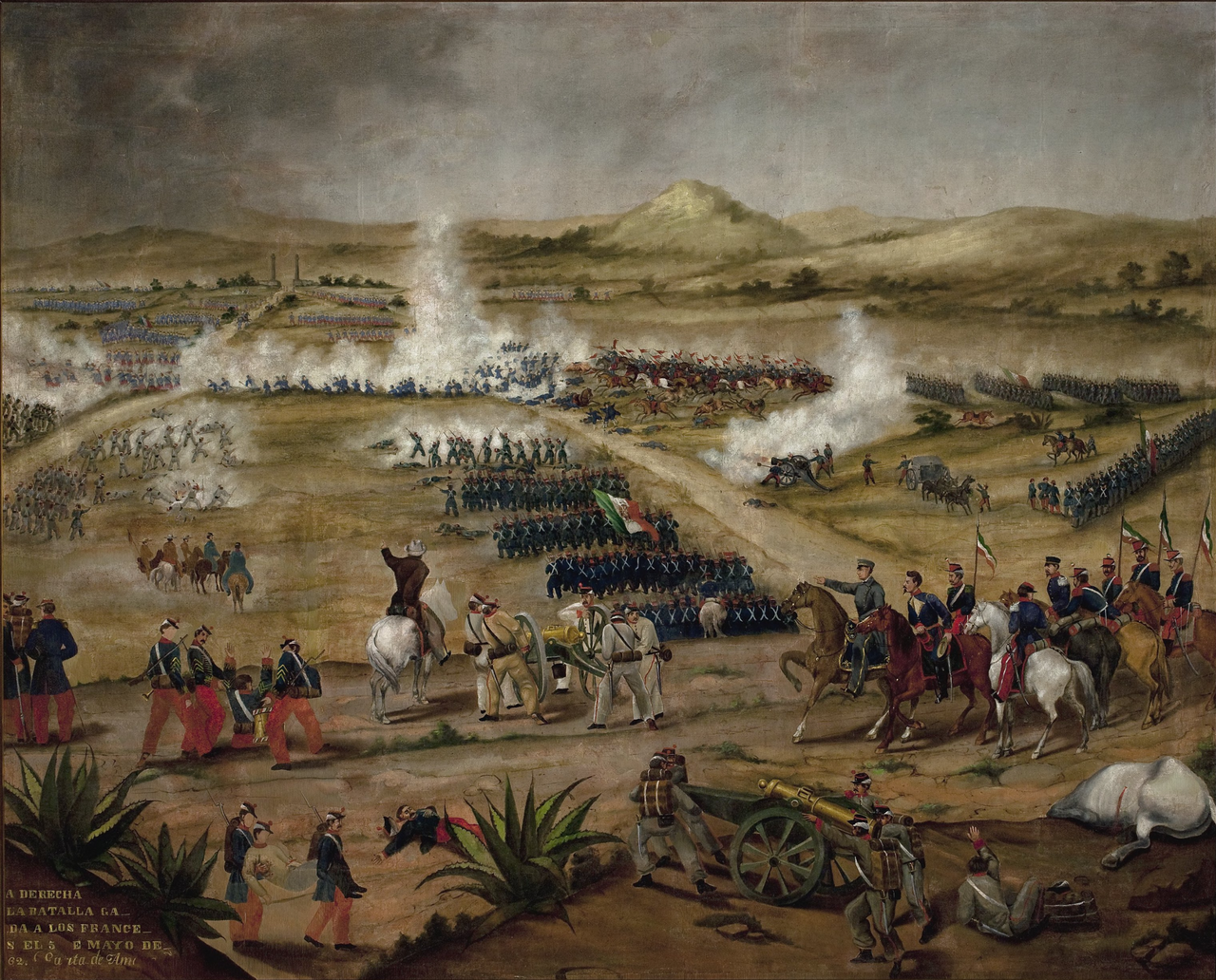
В апреле 1862 года французы начали полноценное наступление вглубь страны. Несмотря на громкое поражение 5 мая того же года при Пуэбле (этот день под названием «Синко де Майо» до сих пор является одним из национальных праздников мексиканского народа), в мае следующего 1863 года французы сумели сломить сопротивление либералов и взяли под контроль столицу страны – город Мехико.
На трон Второй Мексиканской империи был приглашен Фердинанд Максимилиан Иосиф Габсбург, брат австрийского императора Франца Иосифа I. Он не имел больших перспектив, чтобы возглавить какое-либо государство в Европе, а потому согласился вступить на престол страны в Латинской Америке, тем более что Габсбурги уже некогда правили в этой части Света. К тому же мексиканские монархисты поведали Максимилиану о жестоком диктаторе Хуаресе и несчастном народе, который только и ждёт своего избавителя. Наполеон III же полагал, что заполучил лояльного себе правителя, способного защитить французские интересы в регионе. В мае 1864 года новый император высадился в своих новых владениях.
Существовала ещё одна проблема – США, которые в 1823 году приняли Доктрину Монро. Согласно её положениям, американцы обязывались всячески противодействовать попыткам европейских держав расширить зону влияния в Западном полушарии. На счастье Наполеона III в Штатах в 1861 году разгорелась собственная Гражданская война, так что им на время стало не до Мексики.
Часть либералов во главе с Хуаресом не признали новую империю и продолжили вооружённое сопротивление. Французы ответили беспощадной «тактикой выжженной земли». Эту задачу поручили специальному подразделению в составе французского Иностранного легиона под командованием полковника Шарля-Луи дю Пена – ветерана войн в Алжире, Крыму, Италии и Китае. Его солдаты вешали женщин, заставляя их болтаться на веревке до тех пор, пока те не сообщат нужную информацию, а мужчин с той же целью избивали до смерти. Как писал сам дю Пен:
«Если бы я был мексиканцем, сколько же ненависти я должен был испытывать к этим французам, и как бы я хотел заставить их страдать».
Войска французского генерала Огюста Анри Бринкура преследовали партизан Хуареса до самой границы с США, но Наполеон III всё же боялся спровоцировать Штаты на войну. Хуарес обосновался в небольшом приграничном городке Эль-Пасо-дель-Норте, который позднее был переименован в Сьюдад-Хуарес и сейчас занимает верхние строчки мирового рейтинга по количеству убийств на душу населения.
С 1865 года, когда федеральное правительство победило в собственной Гражданской войне, оно стало оказывать куда более значимую поддержку мексиканским республиканцам. Вашингтон так никогда и не признал Максимилиана императором и, напротив, выдал займ правительству Хуареса. Также американцы оказывали ему всестороннюю поддержку оружием и прочими ресурсами. Республиканцы перехватили инициативу.
Наполеон III осознал, что его авантюра зашла в тупик: колониальную империю пришлось строить на отдалённой территории с враждебным населением, которое имело куда более легитимный источник власти, а также пользовалось поддержкой куда более близкой и сильной державы. Тем более, что в самой Европе император столкнулся с вероятностью скорого конфликта против Пруссии.
В 1866 году Наполеон III объявил о выводе войск из Мексики и оставил Максимилиана I самостоятельно разбираться с Хуаресом и США. Последние французские части покинули страну в марте 1867 года, после чего дни Второй Мексиканской империи оказались сочтены.
Уже в мае республиканцы захватили город Керетаро, где Максимилиан окопался со своими сторонниками. 19 июня второй и последний император Мексики был расстрелян вместе с двумя своими верными генералами.
Победа либералов и восстановление республики не привели к прекращению политического насилия в стране. Уже в 1870-х годах победители переругались между собой, и вскоре после смерти Хуареса в 1872 году к власти пришёл генерал Порфирио Диас, который правил страной вплоть до начала Мексиканской революции в 1911 году.