History

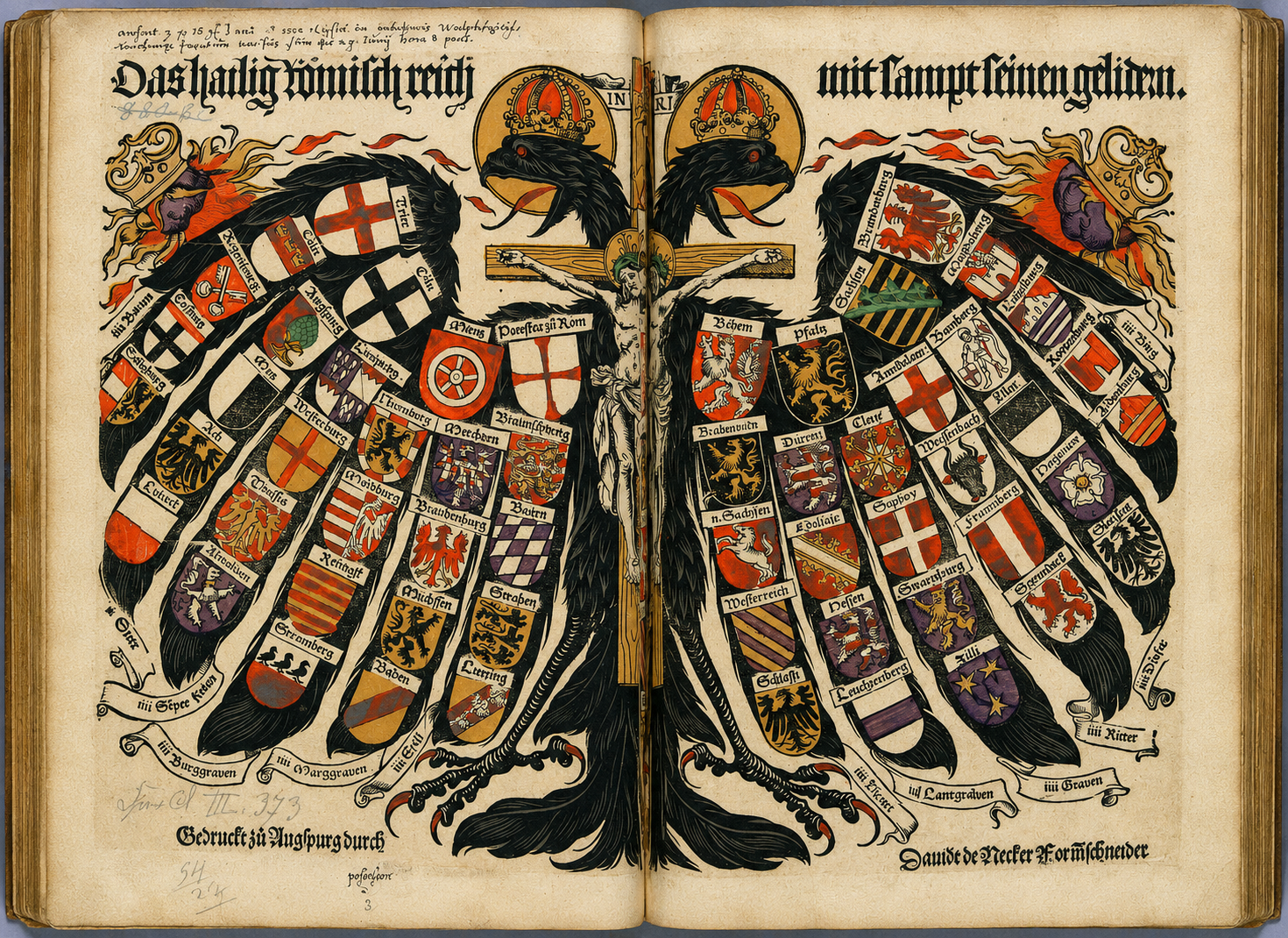
Historians, legal scholars, and political philosophers still debate what the Holy Roman Empire represented as a state entity. Even its most prominent figures could not find an answer to this question. One of the last Roman emperors, Joseph II, admitted in a letter to his brother Leopold (also a future emperor, and at that time the Grand Duke of Tuscany):
"Although I have headed it [the Empire] for more than two years, it is still impossible for me to explain its system to you in detail. It exists only in books, and I would not even trust Montesquieu to describe what various princes and estates now observe...".
The responsibility to describe the Empire was taken on by another famous philosopher of the Enlightenment era – Voltaire:
"What was called the Holy Roman Empire was neither holy, nor Roman, nor an empire."
Another name, more corresponding to the ethno-cultural and political boundaries of this conglomerate of feudal states, was Germany or the German Empire.
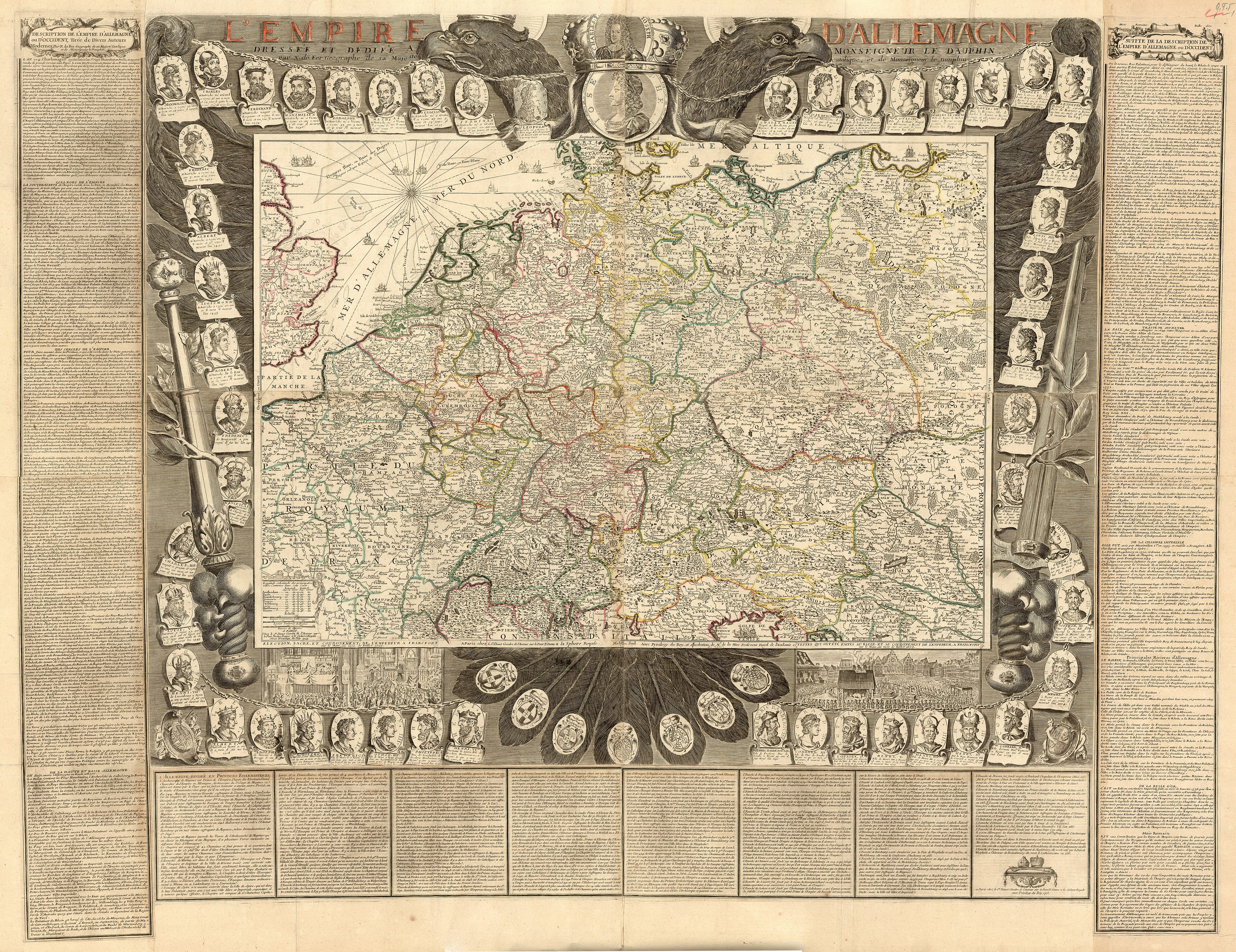
Since the early Middle Ages, Germany was headed by a king, who was historically elected by the prince-electors. Subsequently, to legitimize the status of the heirs of Rome, the title of emperor appeared. However, since the royal title was formed long before the imperial one, holding it was a necessary condition for becoming an emperor. By the end of the 18th century, the title "King in Germany" essentially became the title of the heir apparent. However, the imperial status was not inherited but was conferred according to the voting of the prince-electors.
The composition and number of the princely electorate changed, but they could always be counted on the fingers of one hand. By the beginning of the 18th century, there were eight electorates: Bohemia (the only kingdom among the electors), Saxony (whose rulers were at one time kings of the Polish-Lithuanian Commonwealth), Brandenburg (whose margrave was also "King in Prussia"), Brunswick-Lüneburg (also known as Hanover, whose ruler was the King of Great Britain), the Palatinate, as well as the Catholic archbishoprics of Mainz, Trier, and Cologne.
From the mid-15th century, almost all elections ended in favor of the Habsburg dynasty, who achieved this through certain situational political concessions. Moreover, they always had at least one vote in advance, as they were the royal dynasty in Bohemia.
This fragile balance, established at the turn of the Middle Ages and the early modern period, was threatened in the first half of the 18th century. The House of Habsburg was then in a serious dynastic crisis: the Spanish branch ended with Charles II in 1700, and after the death of Emperor Joseph I in 1711, only one male representative of the family remained—his brother, Emperor Charles VI. He understood that after his death, the hereditary possessions would be threatened with division.
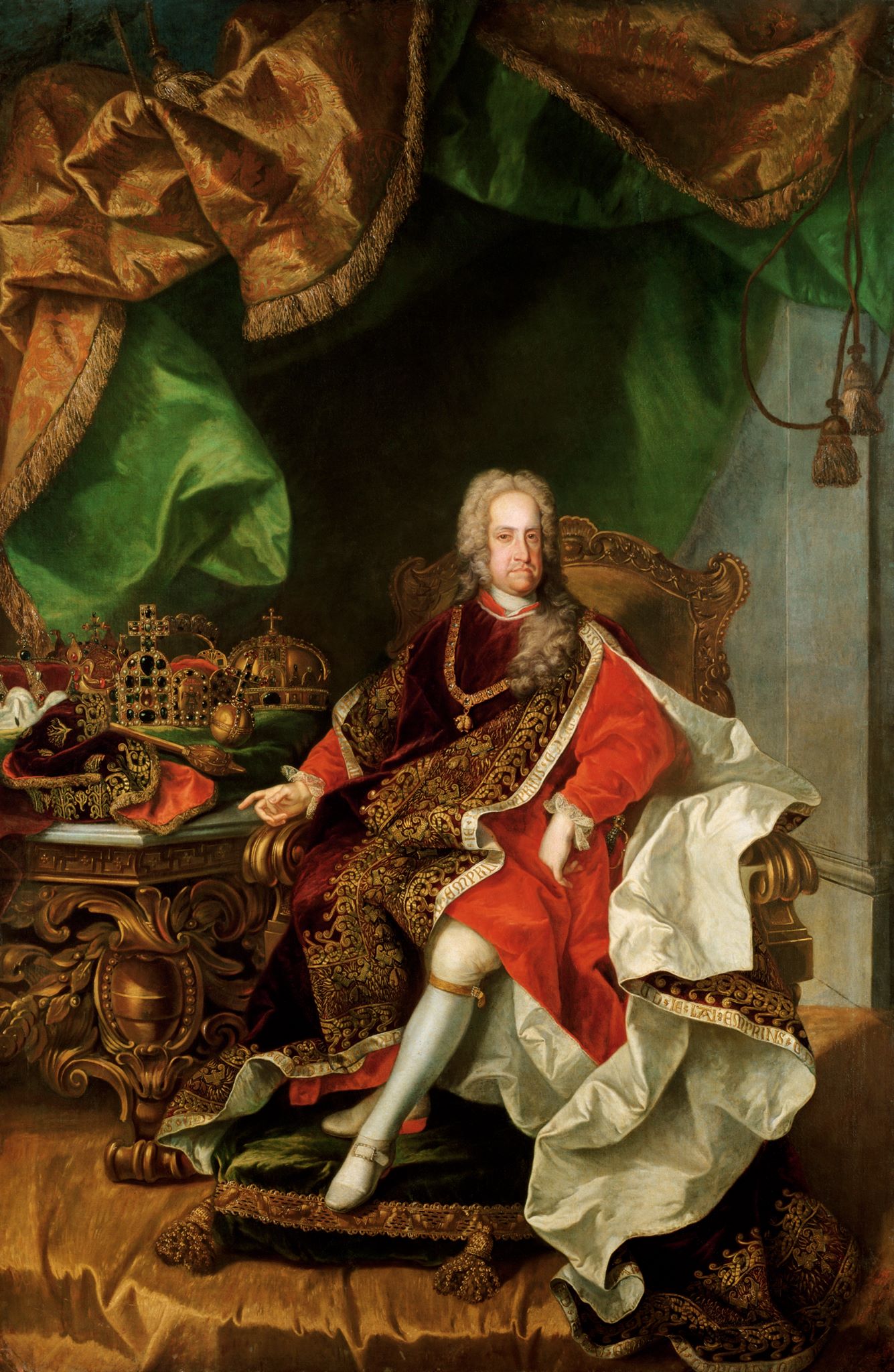
In an effort to prevent this, the last Habsburg issued the "Pragmatic Sanction" in 1713. This law established a new order of succession, according to which power, after the emperor's death and in the absence of male heirs, would pass to the female members of the dynasty and their descendants. Thus, the "Pragmatic Sanction" guaranteed the indivisibility of the Habsburg monarchy. Although many European powers recognized the sanction, after the death of Charles VI, the integrity of the crown lands was challenged, leading to the War of the Austrian Succession from 1740 to 1748.
The Pragmatic Sanction guaranteed the indivisibility of the dynasty's possessions, but the imperial title could still only be obtained by a man. To retain Germany, Charles VI 's heiress, Maria Theresa, married Francis Stephen of the Lorraine dynasty. As a result, a new house of Habsburg-Lorraine emerged.
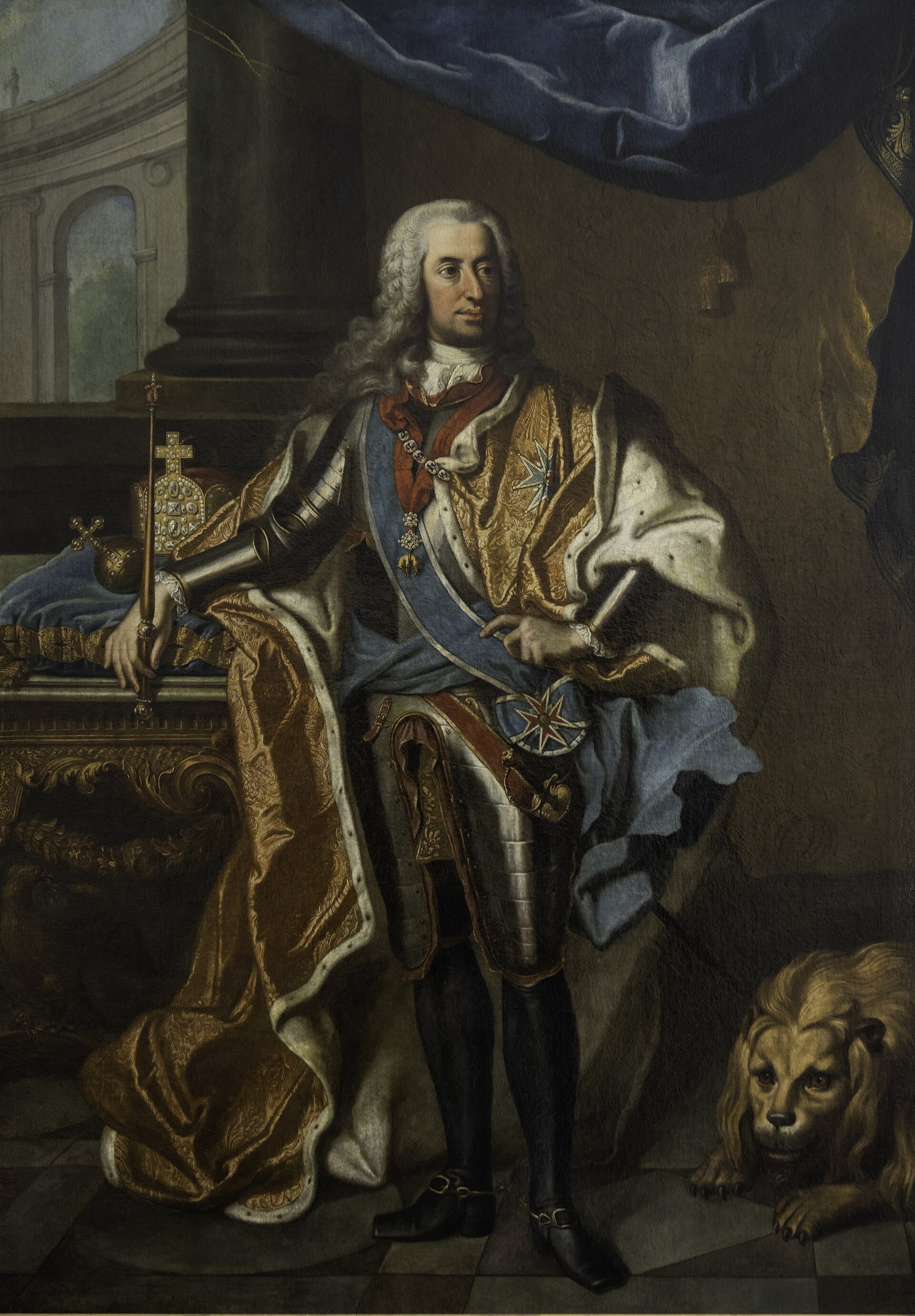
However, Austrian plans to retain the Roman crown were threatened. During the War of the Austrian Succession, Elector Charles Albert of Bavaria was crowned in 1741 as King of Bohemia and Archduke of Austria, and in 1742 he was elected emperor. However, only for three years – in 1745 Charles VII died, after which the Habsburgs, in the person of Francis I Stephen, regained control over the Empire.
Nevertheless, during the war, the Habsburgs still lost Silesia, which was seized by Prussia. They attempted to reclaim it during the next, Seven Years' War of 1756 – 1763, but unsuccessfully. According to the Treaty of Hubertusburg, Silesia ultimately remained with Prussia. In return, the Prussian King Frederick II promised to vote in the next elections for the son of Maria Theresa and Francis I Stephen – the future Joseph II.
Despite the peace concluded, it was from this period that Vienna and Berlin, being the two main centers of attraction for the German states, began to struggle for hegemony. The strengthening of Austria always provoked an immediate reaction from "Old Fritz".
Thus, in 1777, Joseph II intended to exchange the Front Austria for the Upper Palatinate and Lower Bavaria from the childless Elector Palatine (and simultaneously Elector of Bavaria) Charles Theodore. This initiative met strong opposition from other lines of the Wittelsbachs, who claimed Bavaria and were supported by Frederick II. The conflict led to the sluggish War of the Bavarian Succession. Under the terms of the Treaty of Teschen in 1779, Austria was able to take only the Inn River valley (Innviertel).
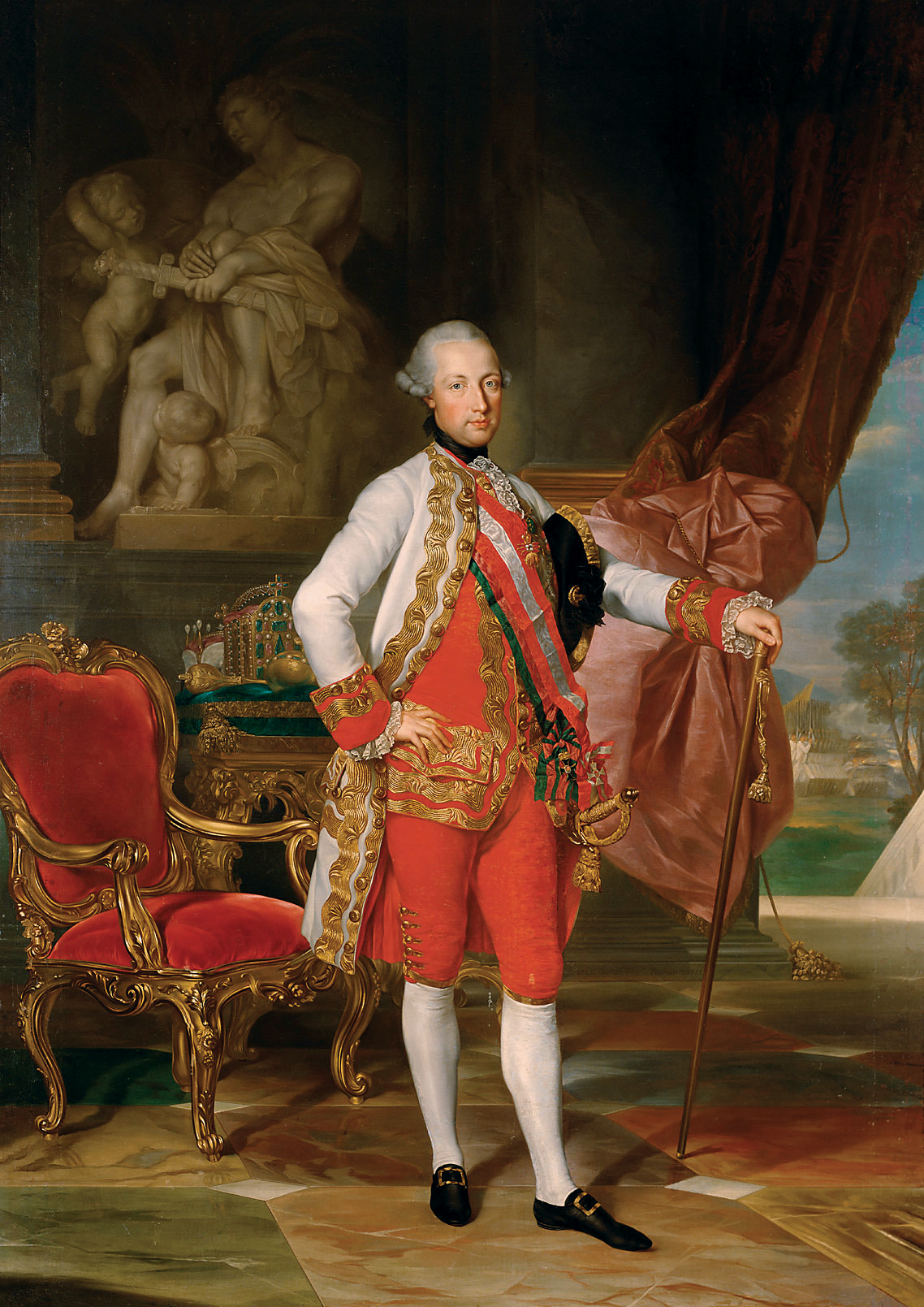
However, Joseph II did not stop in his attempts to subjugate all of Bavaria. Austrian diplomats continued negotiations with the elector, offering a new exchange: to give Bavaria in exchange for the Southern Netherlands and the title of "King of Burgundy." However, due to the opposition of other German feudal lords, mainly Prussia, the land barter plan was never implemented.
Returning to Maria Theresa, it should be noted that she did not repeat the mistakes of her ancestors and left a large offspring. She conducted foreign policy in accordance with the old Habsburg motto:
"Let others wage wars, you, happy Austria, marry, for while Mars gives to others, Venus grants you kingdoms."
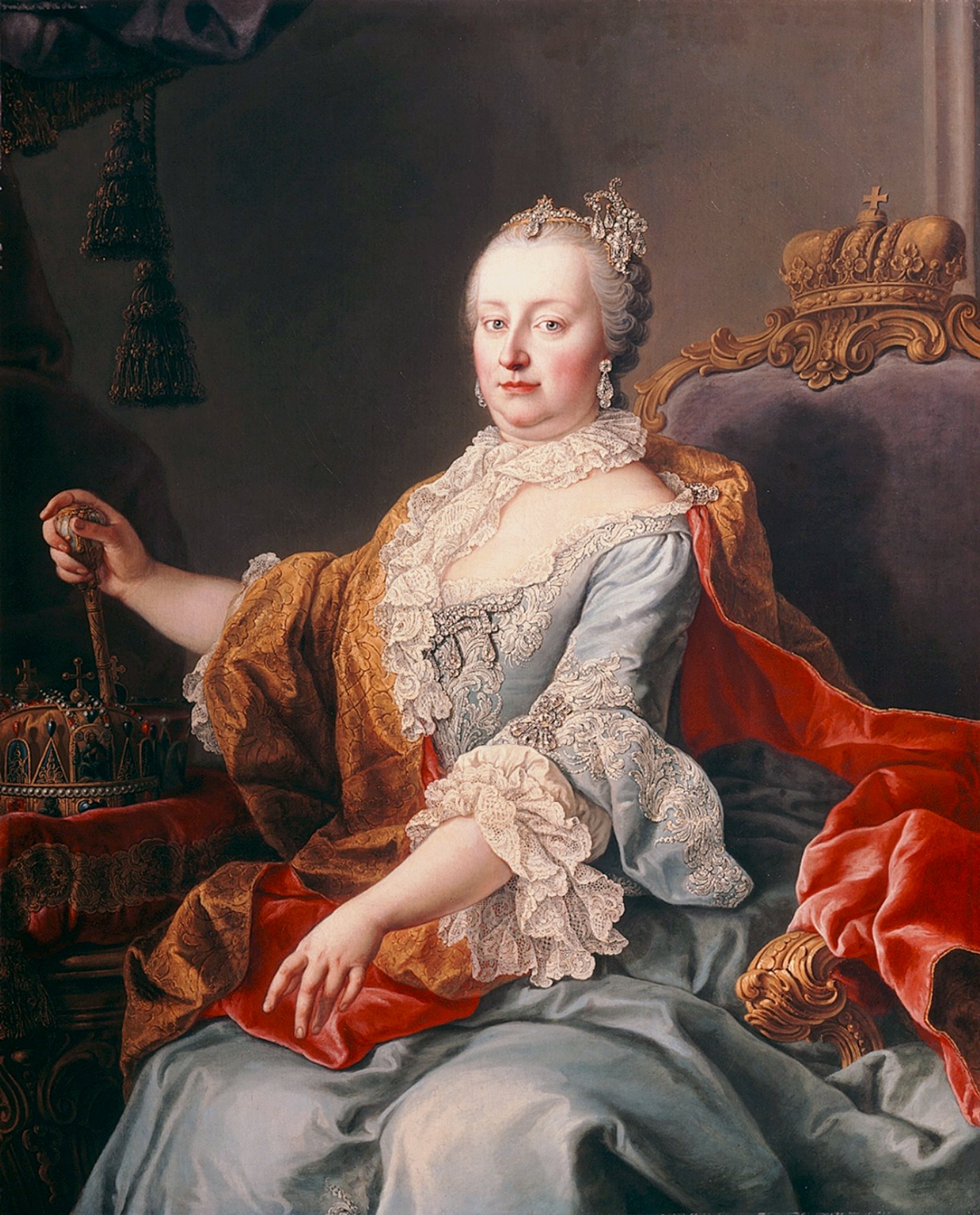
The Empress managed to arrange several advantageous matches for her children. The most successful seemed to be the marriage of Marie Antoinette to the future French king Louis XVI. At the time, this union even helped strengthen Vienna's position in the Empire. When elections were held in the Cologne Archbishopric in August 1780, the main candidate was Maria Theresa's son, Archduke Maximilian Franz. His candidacy met resistance from Berlin, but Paris supported the Habsburg-Lorraine dynasty. Max Franz was elected coadjutor of Cologne and Münster, became Grand Master of the Teutonic Order in October of the same year, and in April 1784, became the Elector-Archbishop of Cologne and Prince-Bishop of Münster.
Vienna's influence in northwestern Germany was short-lived. By 1789, the Great French Revolution had begun, which spread beyond French borders and engulfed all of Europe. The new revolutionary idea clearly conflicted with the monarchies of the "Old Order."
In the declaration of April 20, 1792, France declared war on the "King of Bohemia and Hungary," but not on the Emperor, who by that time was already Franz II. With this legal maneuver, Louis XVI wanted to avoid war with the entire Empire, to fight solely against the Habsburgs. However, other states realized the scale of the threat, so soon Prussia and other German monarchies joined the war.
However, there was no unity among them, and by 1795 Prussia signed a separate peace, and in 1797 Austria was also forced to negotiate. In the Baden town of Rastatt on December 9, 1797, began what the German historian Karl Theodor von Heigel described as:
"An unworthy spectacle that presented the saddest picture of the disintegration of the empire and the political morality of the princes, who tried to tear apart the honorable purple color. Never before had the selfishness, corruption, and malice of the imperial estates been so shamelessly and hideously revealed."
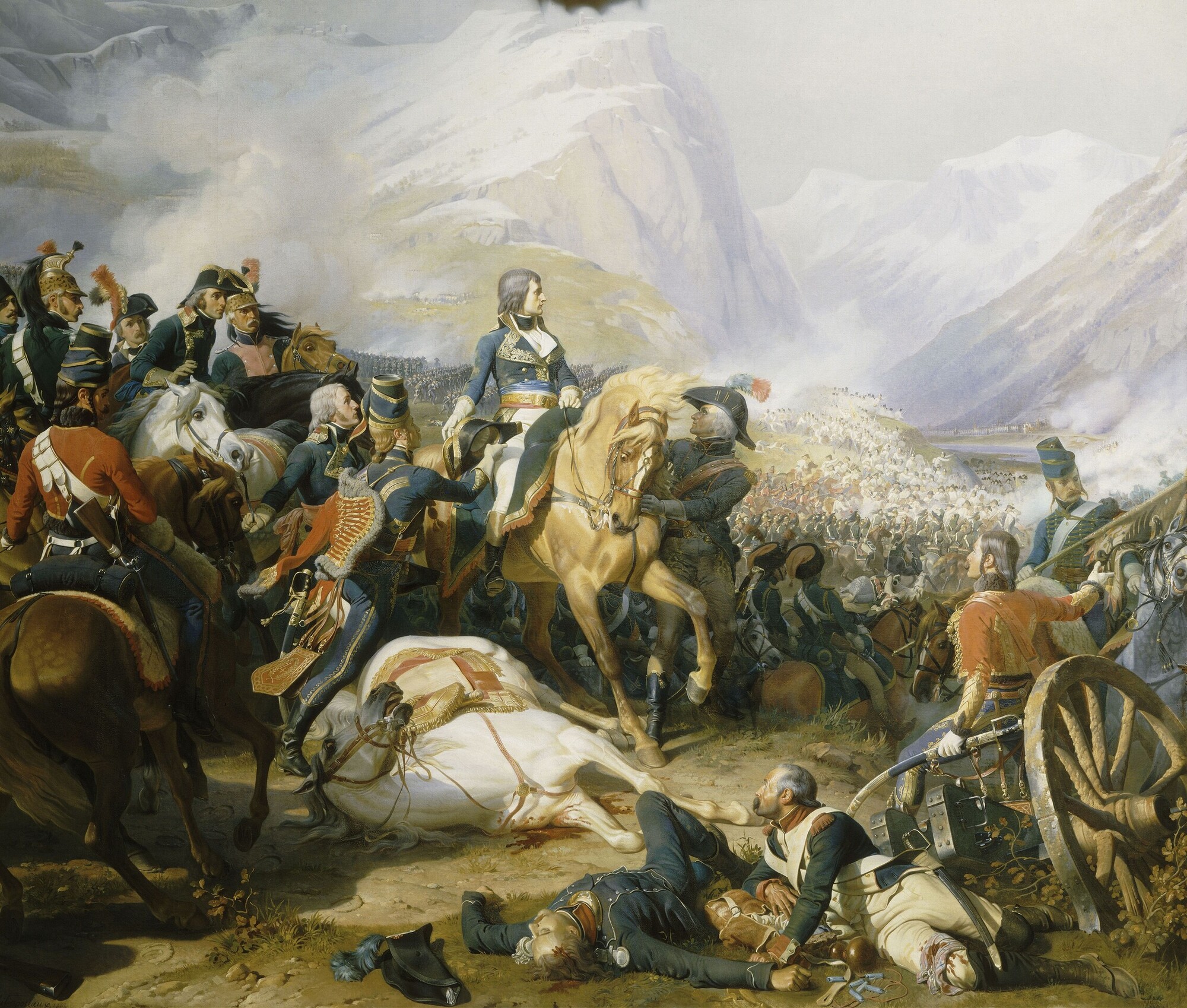
The Rastatt Congress was convened to affirm the previous terms of the Treaty of Campo Formio, namely to satisfy the territorial claims of the victorious France, which demanded the left bank of the Rhine. At the same time, the issue of compensating the losses of the German rulers at the expense of the secularization of the territories of the German clergy was to be resolved.
The congress lasted until April 1799 and was disrupted by the outbreak of the War of the Second Coalition, in which Austria was again defeated. As a result of the Treaty of Lunéville in 1801, the Austrian Netherlands, the left bank of the Rhine, and a significant part of Northern Italy, including Tuscany, came into the hands of the French. Although the Grand Duke of Tuscany was the emperor's own brother, Ferdinand, the French were not inclined to return these lands and therefore proposed to return to the formula of the Rastatt Congress, that is, to compensate the territorial losses of some Germans at the expense of other Germans. The process of mediatization began, which resulted in the forced inclusion of small German states (ecclesiastical principalities, free cities, possessions of minor princes) into larger ones.
The Archbishop of Salzburg, like hundreds of other feudal lords, was forced to part with his title so that by February 1803 the former Grand Duke of Tuscany, Ferdinand, became the Elector of Salzburg. The Duke of Württemberg, the Margrave of Baden, and the Landgrave of Hesse-Kassel also became electors. Mainz, Trier, and Cologne were abolished. The electorate of the first of them passed to the newly formed Principality of Aschaffenburg. In the princely electorate, parity was achieved: five electors were Catholics and as many were Protestants. Already fragmented Germany, although it became less fragmented due to the enlargement of several states, in fact, found itself in a state of chaos.
Feeling the ground slipping from under his feet, Franz II transformed the conglomerate of his hereditary crown lands into the "Austrian Empire" (Kaisertum Österreich). In his decree, Franz stated that he took this step "following the examples set by the Russian Imperial Court in the past century, and now by the new ruler of France, similarly granting the Austrian house, in recognition of its independent states, the hereditary title of emperor." Thus, the head of the Habsburgs justified his action by the actions of his neighbors, when Peter I and Napoleon declared themselves emperors.
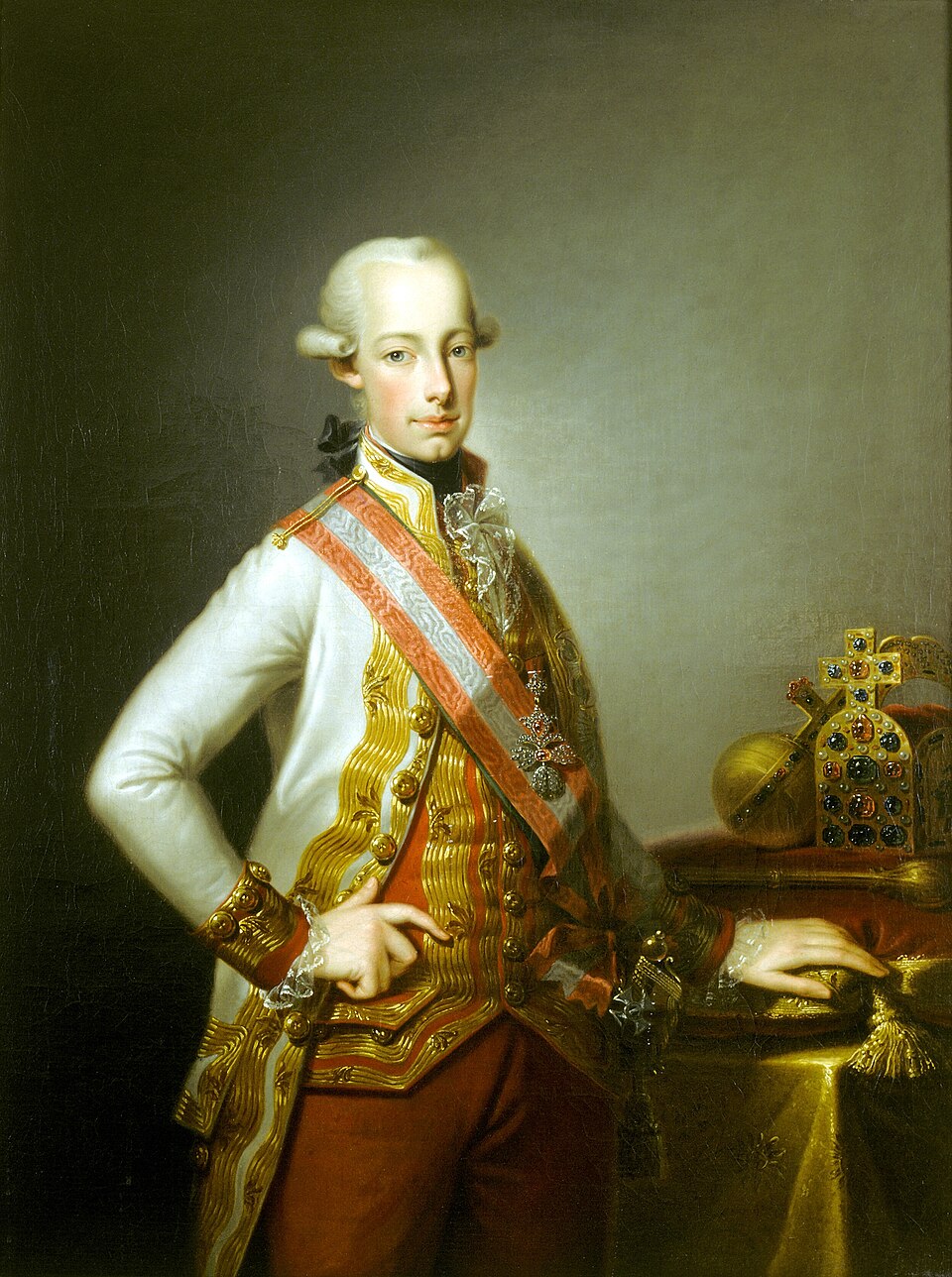
Thus, Franz simultaneously became the emperor of two empires: the German Empire, which was living its last days, and the Austrian Empire, which was just beginning its journey. This happened on August 11, 1804, and already a year later, the renewed Habsburg monarchy joined another anti-French coalition and once again suffered defeat. On December 26, 1805, Austria signed the catastrophic Treaty of Pressburg, by which it lost Vorderösterreich, Tyrol, Venice, Dalmatia, and Istria. In return, as compensation, Franz received Salzburg from his brother. Poor Ferdinand once again lost his title but gained a new one – he now became the Grand Duke of Würzburg, carved out from Bavaria.
Already in the summer of the following year, a new chapter in the history of Germany began. On July 12, 1806, the "Treaty between His Majesty the Emperor of the French, King of Italy, with the plenipotentiaries of the German princes, named in the treaty itself" was signed. With this document, Napoleon Bonaparte formed the Confederation of the Rhine of German states, thus making the continued existence of the Holy Roman Empire meaningless. In connection with this, on August 6, 1806, Emperor Franz II issued a declaration of abdication of the imperial crown and the dissolution of the state. Among other things, the document stated:
"We release the electors, princes, and estates, and all members of the empire from their obligations, which they were bound to us as the lawful head of the empire."
Thus, until Napoleon's capitulation in 1814, Austria was deprived of the opportunity to seriously influence politics in Germany. At the Congress of Vienna, a decision was made to create the German Confederation – a new supranational entity that included all German states, including Austria and Prussia. The German Confederation became a new arena of struggle between Vienna and Berlin, and in the era of nationalism, this conflict was felt even more acutely than before.