PONTVS TEAM
Content produced by our editorial team
1
article
5
wunderkammer
7
tests
Content type
Articles
Art
1
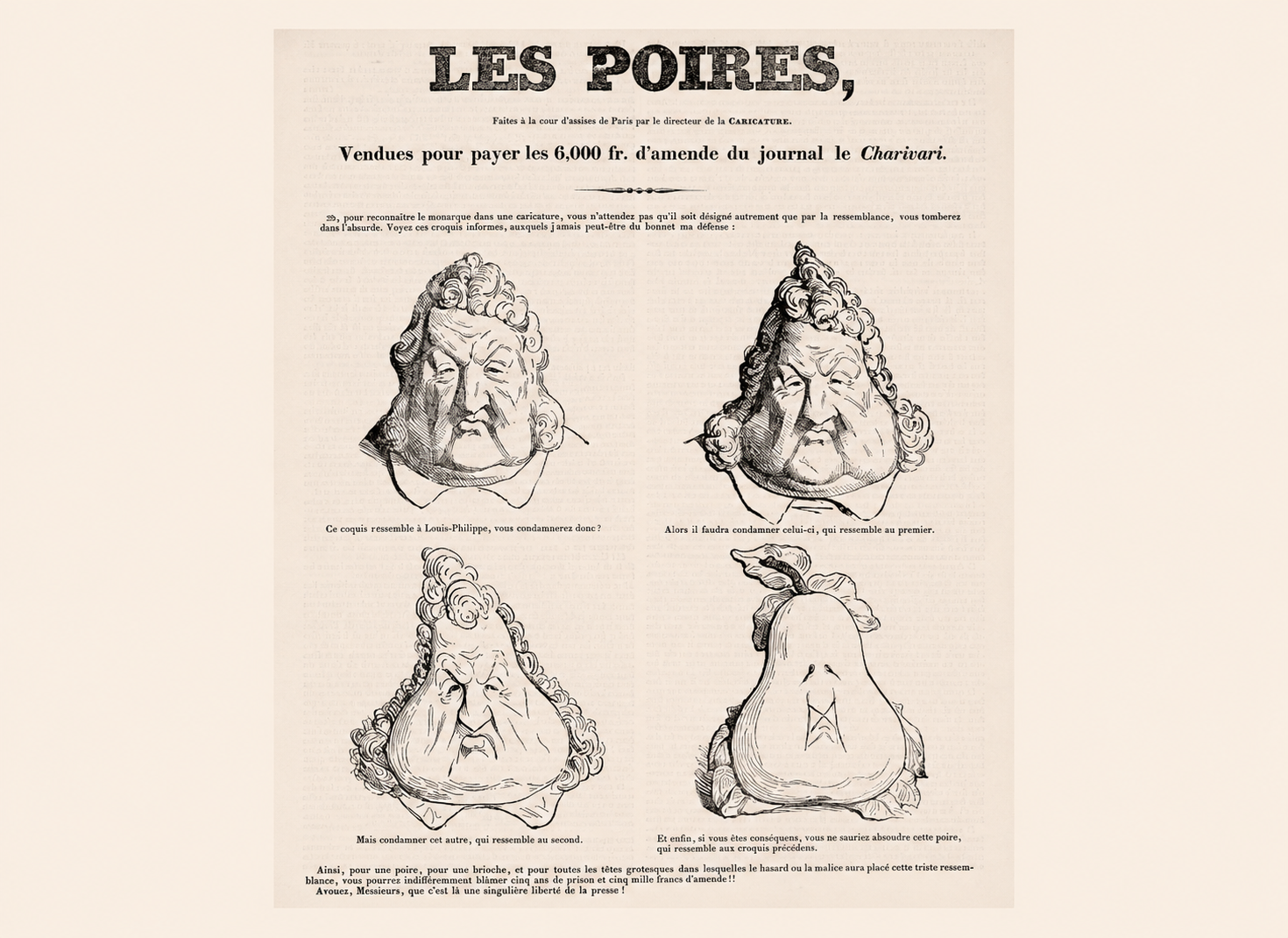
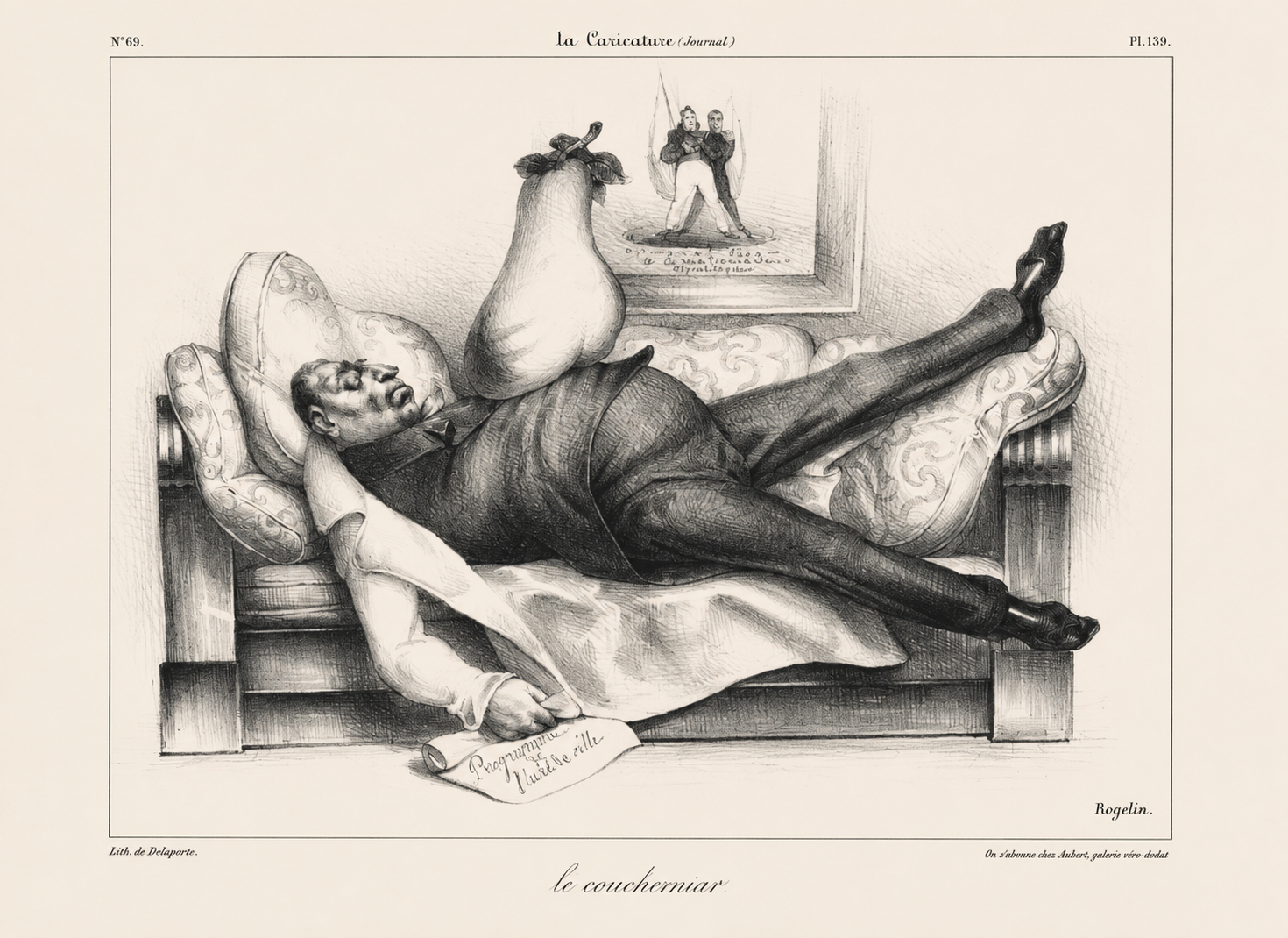
Royal Pear: The Golden Age of Political Lithography in France
In November 1831, publisher Charles Philipon was tried for a caricature of the king, and right in the courtroom, he transformed Louis-Philippe's face into a pear before the jury: if you ban the drawing, you'll have to ban the fruit too. The pear spread throughout Paris, and Honoré Daumier turned it into a weapon and went to prison for it. How a cheap lithograph led France to censorship and eventually ended up in a museum, read in the new article "The Royal Pear."
Wunderkammer
Literature
1
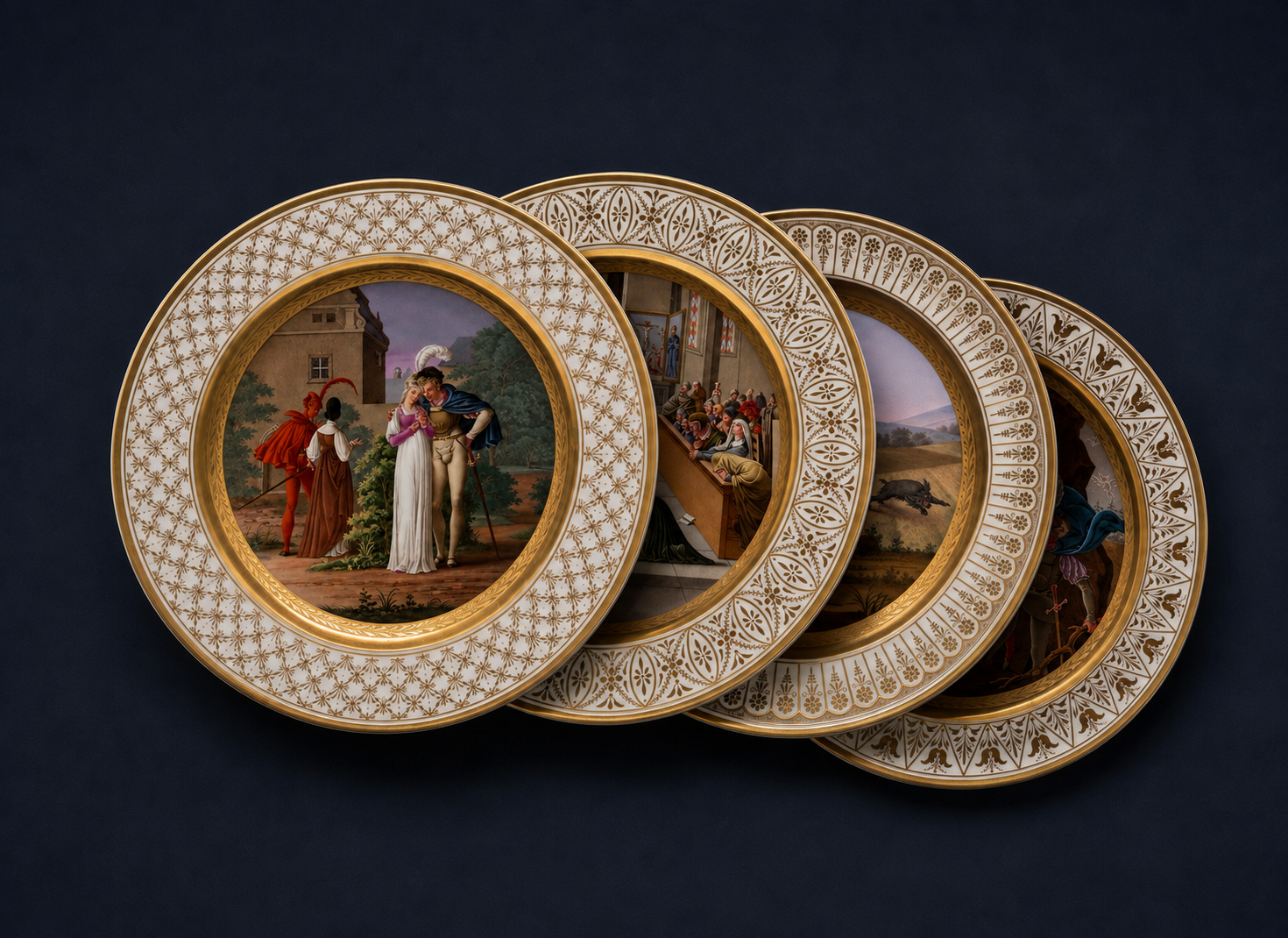
Faustian service
In 1821, the Prussian King Friedrich Wilhelm III commissioned the Royal Porcelain Manufactory to create a set of 24 plates featuring scenes from "Faust." The gift was intended for his cousin, Princess Louise, for the premiere of a musical production written by her husband, Prince Antoni Radziwiłł, who was inspired by Johann Wolfgang von Goethe's tragedy. The designs for the paintings were taken from Moritz Retzsch's illustrations, which were published in 1816 and spread throughout Europe. Thus, the tragedy of selling one's soul found its way to the dining table.
Art
1
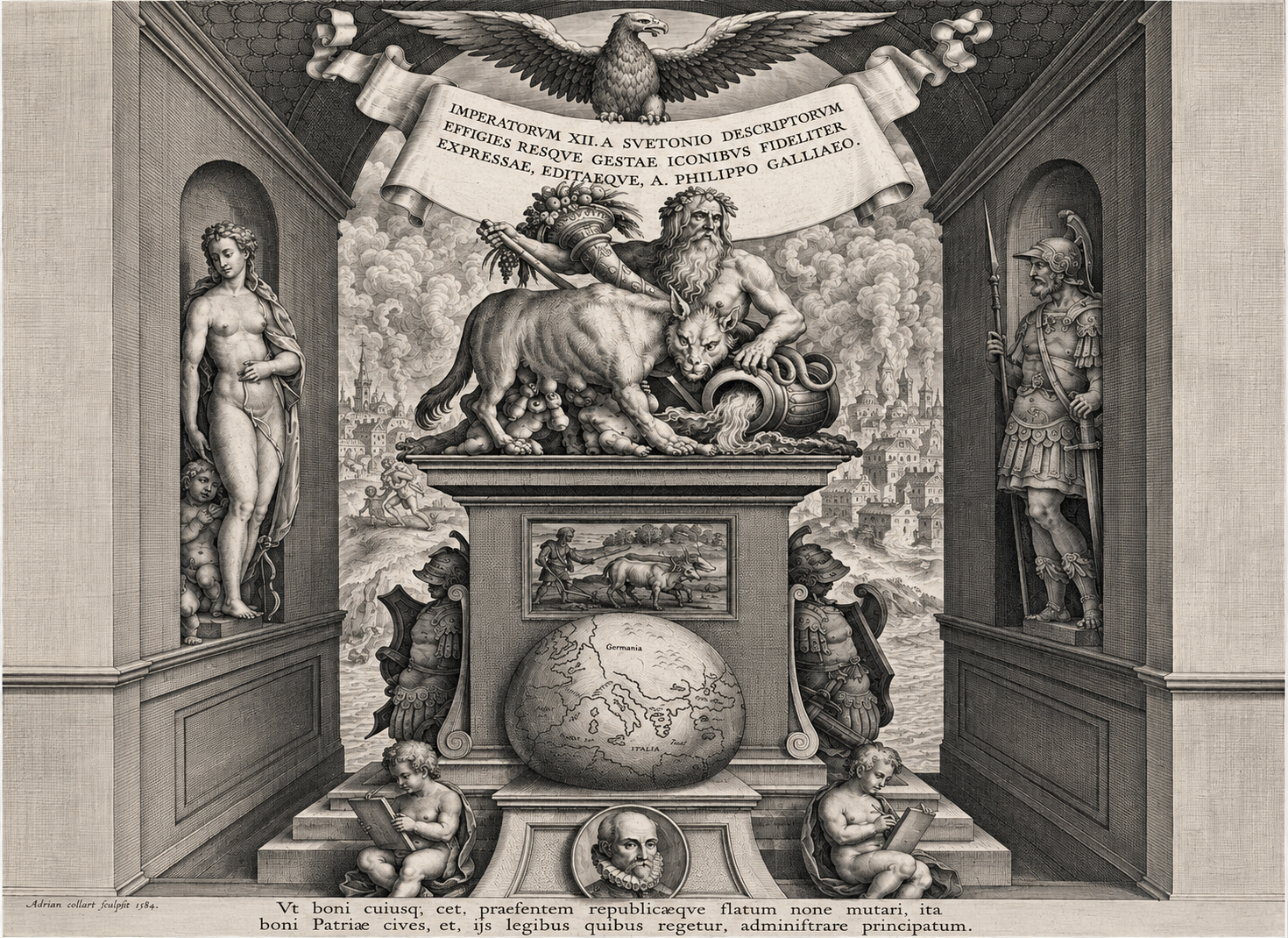
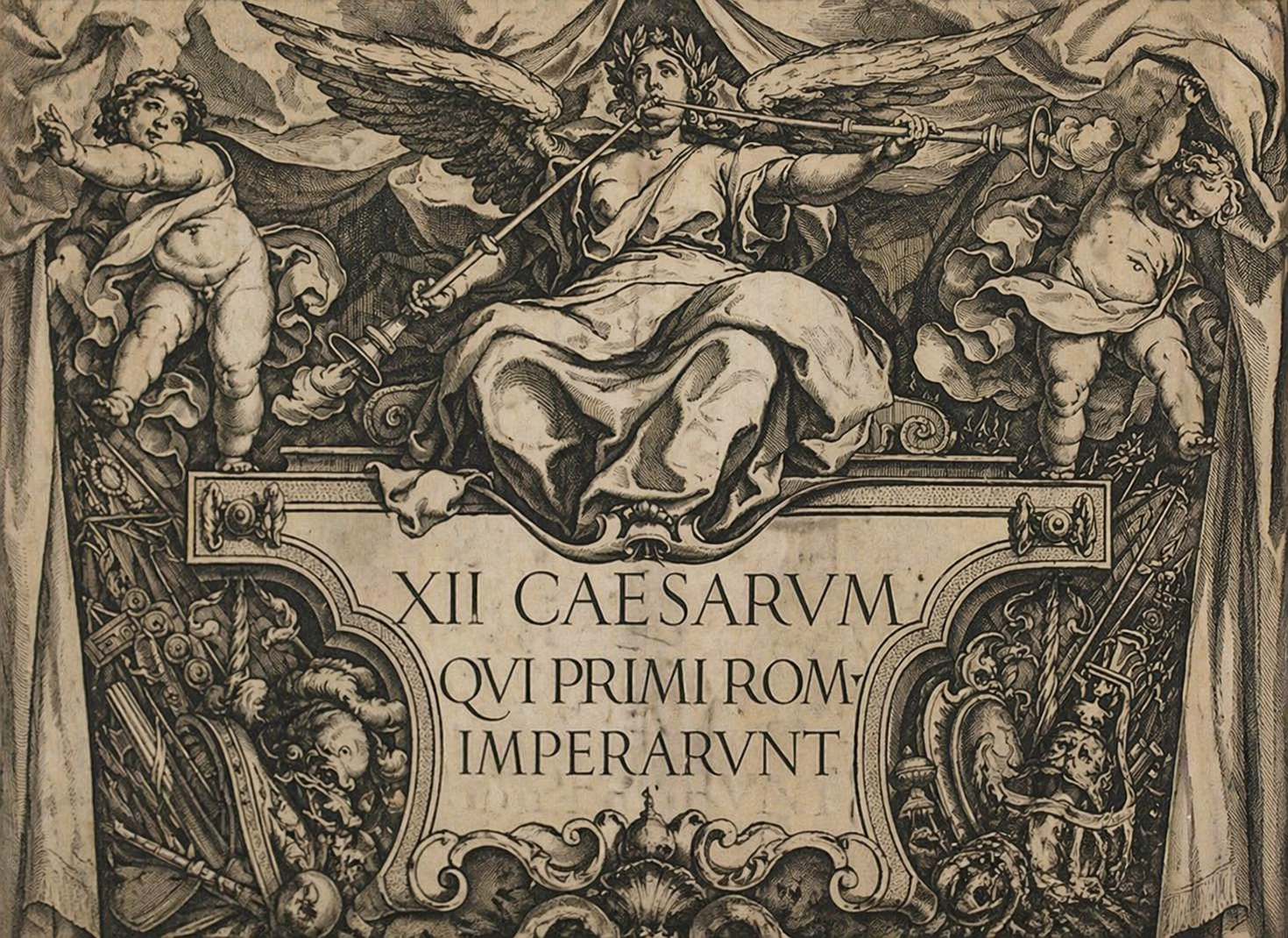
"The Twelve Caesars" by Adrian Collaert: Roman Emperors in 16th Century Engravings
Between 1587 and 1589, the Flemish engraver Adrien Collaert was inspired by the ancient treatise "The Lives of the Twelve Caesars" by the historian Suetonius, which tells the stories of the first rulers of the Roman Empire: from the Julio-Claudian dynasty through the "Year of the Four Emperors" to the Flavian dynasty. Collaert created a gallery of equestrian portraits of Roman emperors, which you can admire in our Kunstkamera!
Art
1
Ten Lithographs by Honoré Daumier
Lithography begins with a stone: the artist draws directly on smooth limestone, and thousands of prints are pulled from it. Honoré Daumier worked with such stones for thirty years, satirizing the July Monarchy. For "Gargantua," he was imprisoned in Sainte-Pélagie, and after "Rue Transnonain," the government bought up the prints and destroyed the stone itself. Ten of his sheets, from the pear-shaped Louis-Philippe to the Bonapartist scoundrel Ratapoil, demonstrate how a cheap newspaper image became both a weapon and an art form.
Art
3
"Twelve Caesars" by Raffaello Schiaminossi: Roman Emperors in 17th Century Engravings
A series of exquisite etchings depicting Roman emperors from Julius Caesar to Domitian. Based on the biographies of Suetonius and inspired by the compositions of Antonio Tempesta, this work combines the precision of classical iconography with the expressive technique of early Baroque. Schiaminossi's engravings impress with their masterful use of chiaroscuro and attention to detail, conveying the grandeur, character, and symbolic power of the rulers of ancient Rome.
Architecture
3
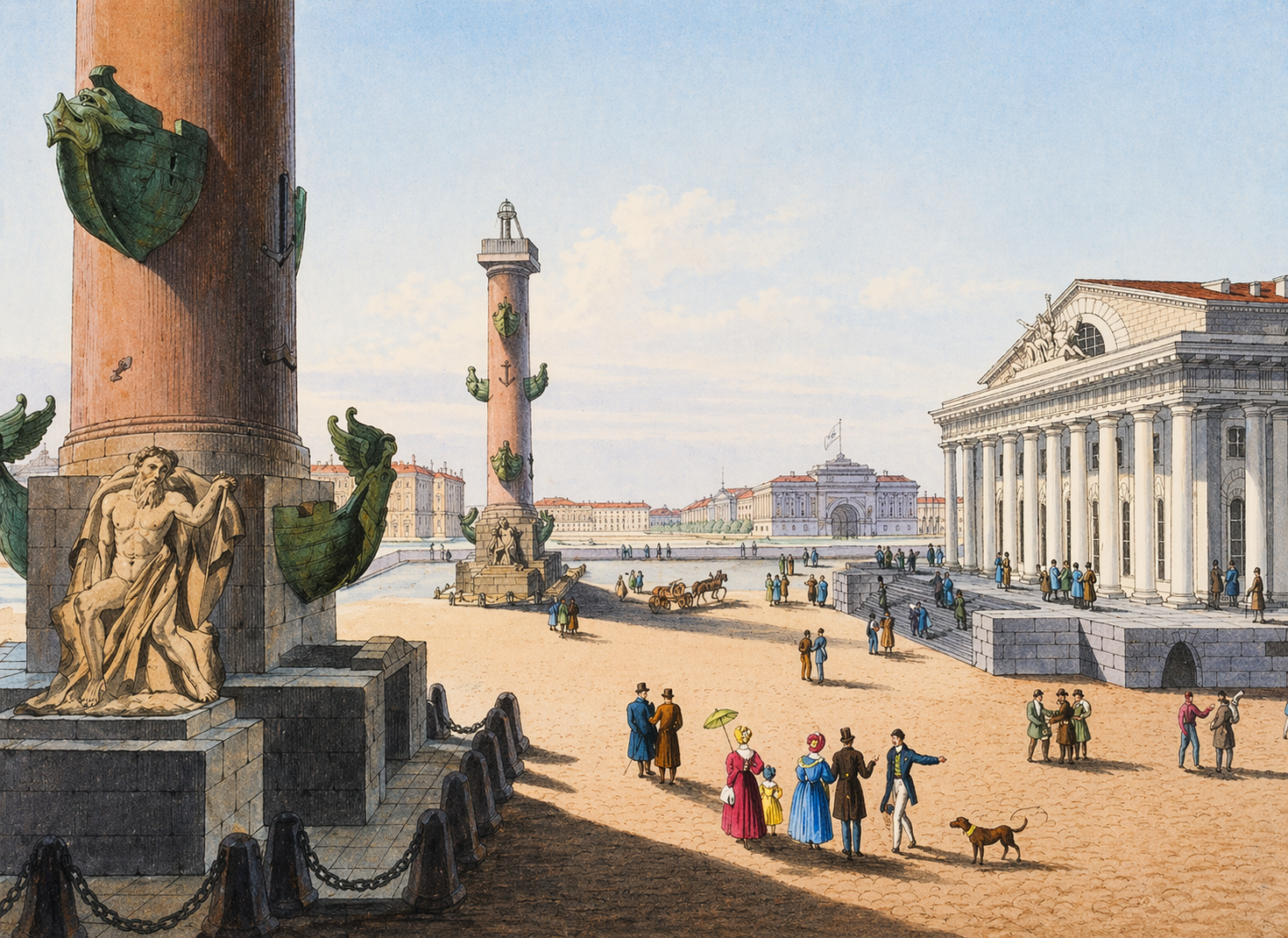
The ancient city on the banks of the Neva
"In St. Petersburg, two types of architecture prevail: Greek and Roman," — this is how the capital of the Russian state was described by the prominent historian and local historian Ivan Ilyich Pushkaryov. The founder of the city, Emperor Peter, in an attempt to distance himself from the Moscow he disliked, which called itself the Third Rome, laid the foundation for a new ancient city on the northern shores of the Neva. Absorbing the entire "spirit" and longing for antiquity, St. Petersburg recreated it in the strict plans of its architectural ensembles, classical colonnades, and triumphal arches.
Tests
History
8 questions
2
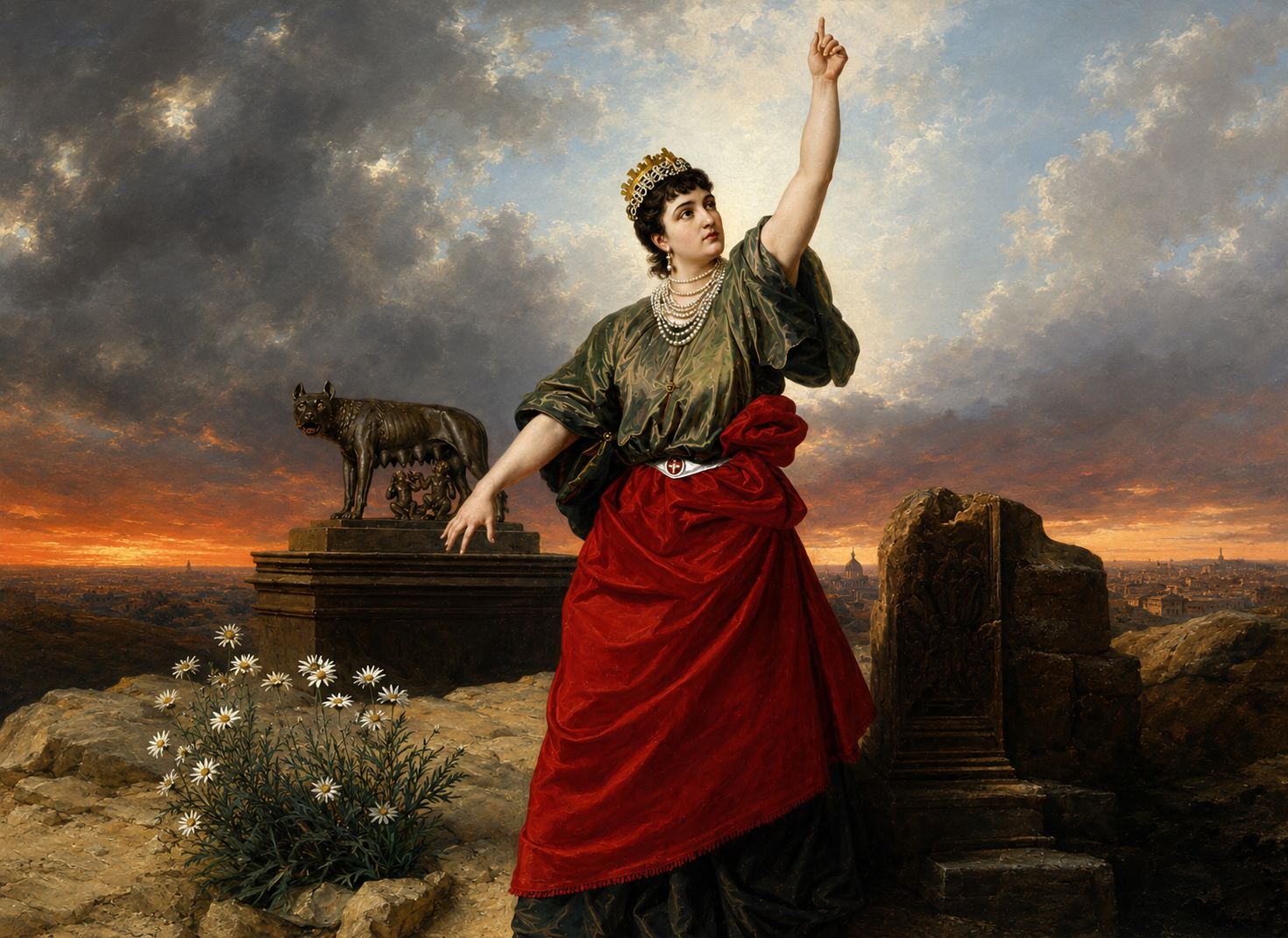
Who would you unite Italy for?
Risorgimento, that is, the unification of Italy into a single national state, was one of the key events in European history of the 19th century. However, Italian unity was interpreted in different ways. Some proposed a unitary monarchy, others a republic, while others saw the future in a federation, and everyone debated the boundaries of the secular and spiritual authority of the Pope. Answer eight questions and find out which of the projects is closer to you.
History
8 questions
2
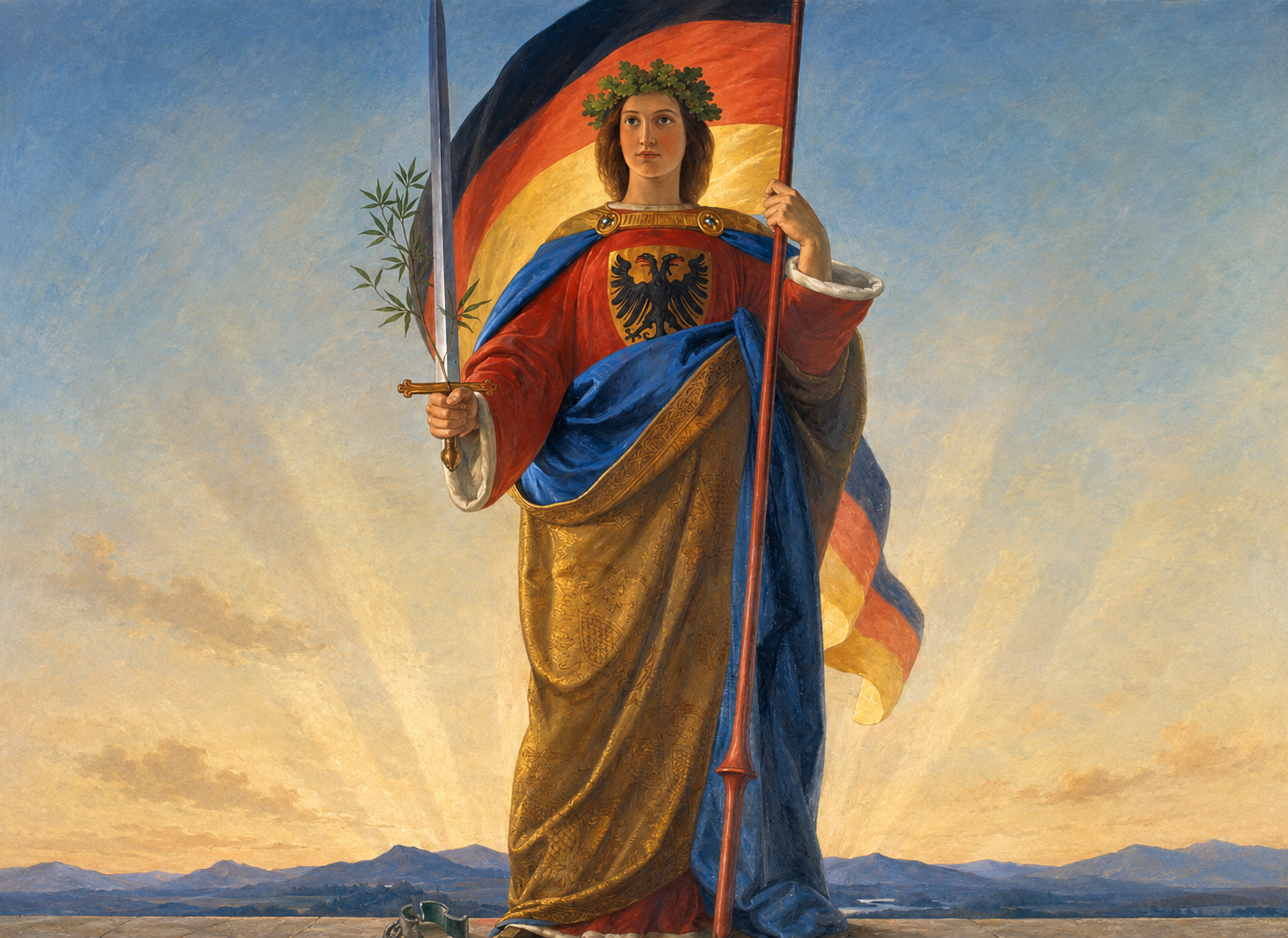
Who would you unite Germany for?
In the 19th century, the "German Question" was one of the central issues in European politics. How would you like to see a united country: as a centralized military-bureaucratic power, a federation of autonomous principalities, a liberal parliamentary monarchy, or a union of trading republics? There are no correct answers here. Only your political instincts, along with a bit of history and geography.
History
10 questions
1
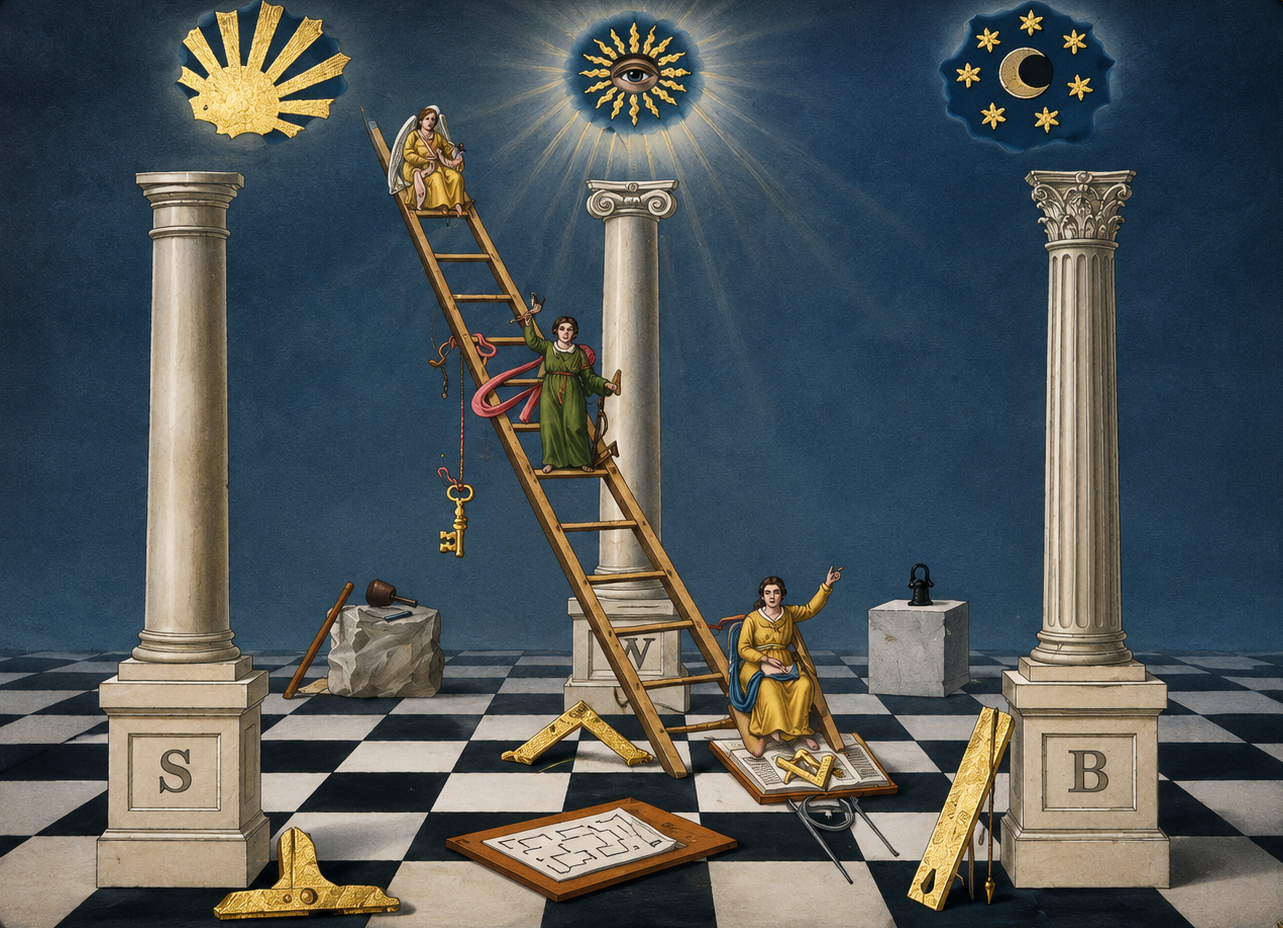
Would you believe Barruel? A test on French Freemasonry.
In 1797, the former Jesuit Abbot Barruel published four volumes in London and explained the French Revolution as a conspiracy of philosophers, masons, and Bavarian Illuminati. His interpretation of events is still read today. The trick is that some of his plots are confirmed by documents, while others he invented himself, and they sound equally convincing. Here are ten statements about lodges and the revolution. Separate truth from fiction and find out if you would have believed the abbot.
History
10 questions
3
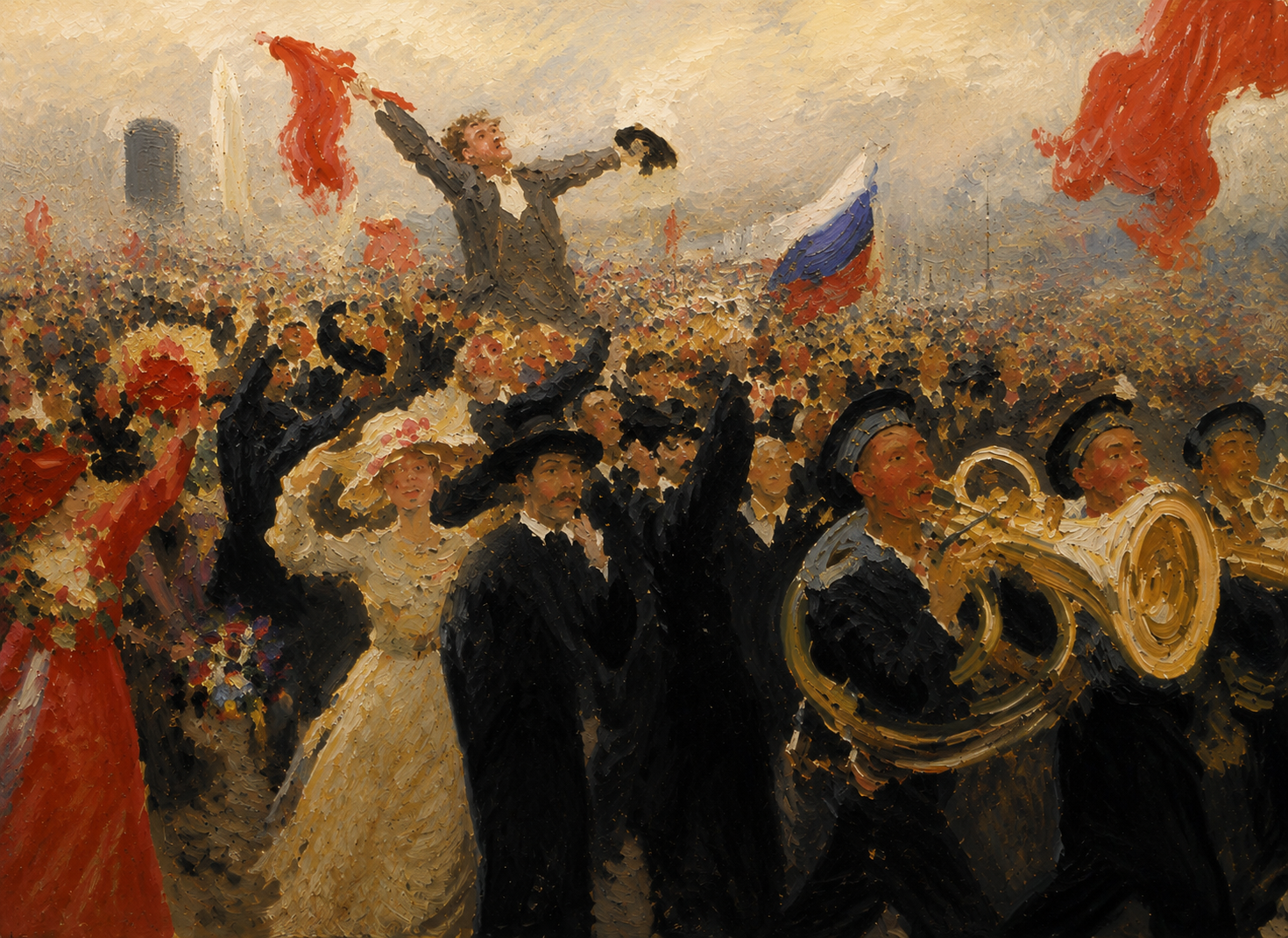
Конец века по-русски: тест о 1905-м
If the Russian fin de siècle had a face, it would be the year 1905. We know it by Bloody Sunday, the battleship Potemkin, and the October Manifesto. But this year was broader than its symbols: behind each familiar image lies another story, about people whom history preferred to forget, about the price that is not customary to count, and about memory that is difficult to distinguish from myth. Take the test and find out if you know the real 1905—or just its textbook portrait.
Literature
15 questions
3
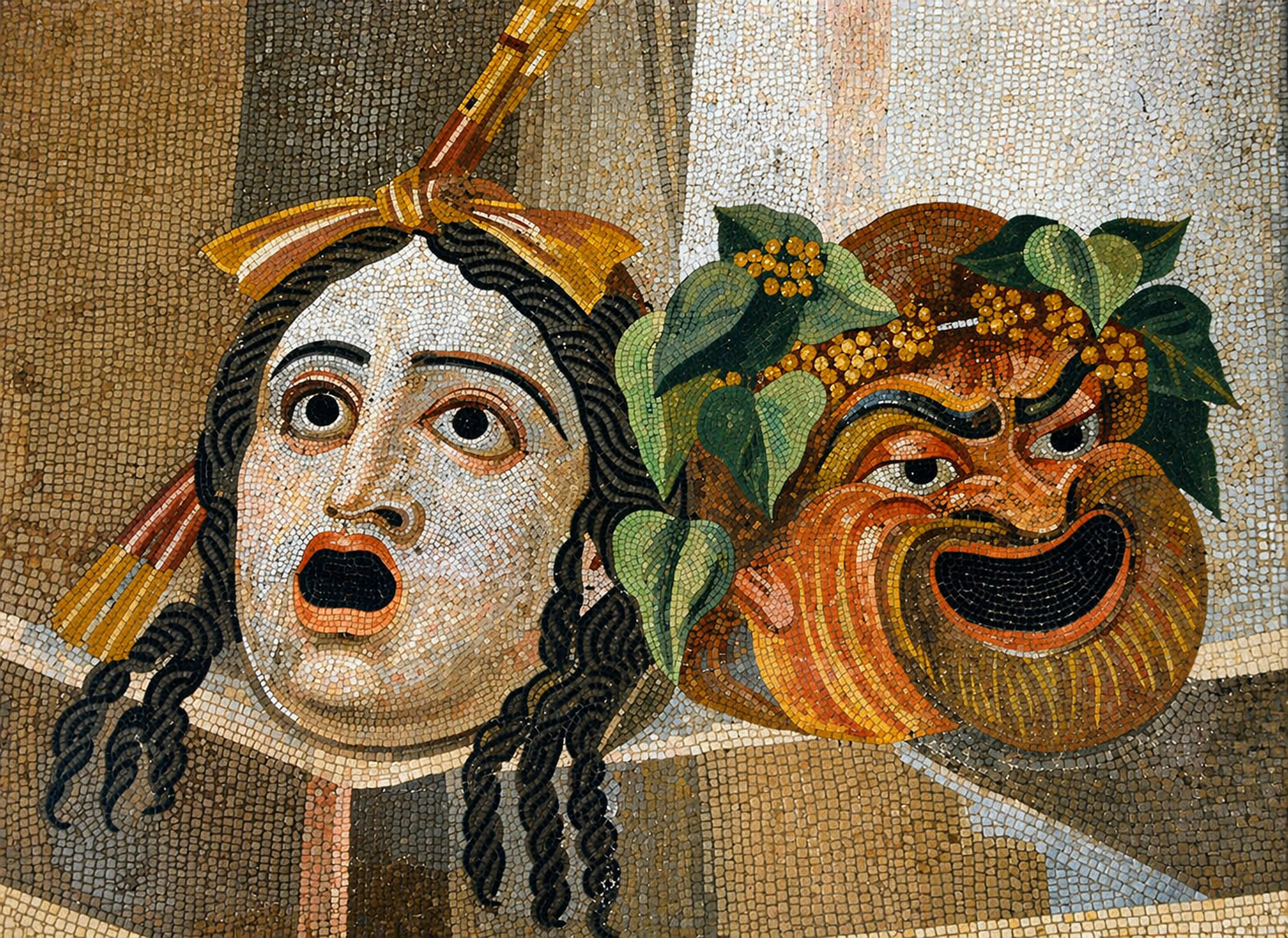
Voices of Eternity: A Test on Ancient Literature
Ancient literature is the foundation of the entire European cultural tradition. It has given us heroic epics, tragedies and comedies, philosophical dialogues, and the first literary theories. This test will help you assess how well you know the works, authors, and key ideas of antiquity.
Philosophy
10 questions
3
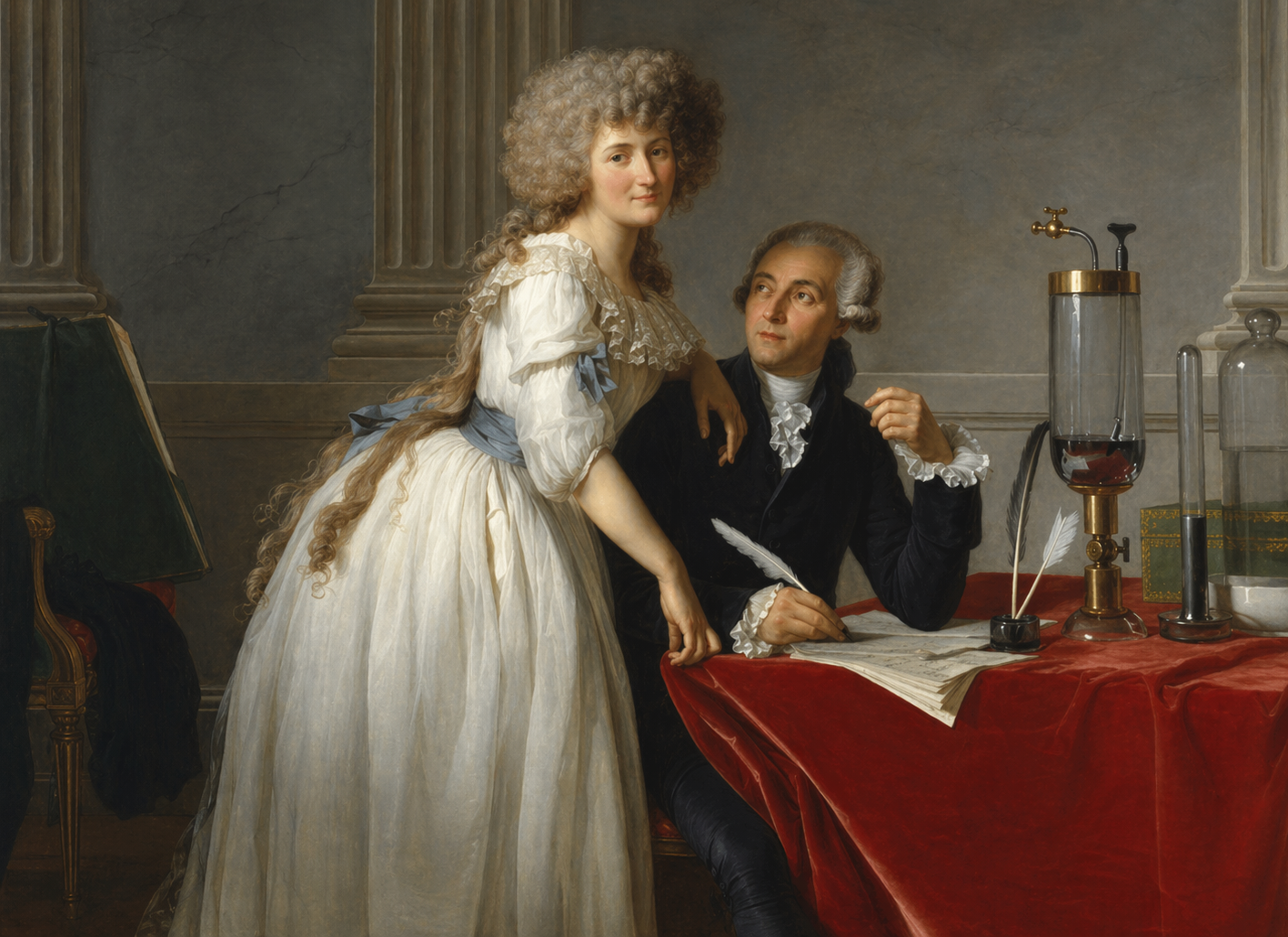
Your Inner Enlightener
If you lived in the Age of Enlightenment, you would surely be debating freedom of speech, equality, and morality by candlelight in a Parisian salon. But whose ideas would you defend to the end? Take the test and find out who is hidden within you: the rebel Voltaire, the dreamer Rousseau, the jurist Montesquieu, or the strict judge of reason Kant.
Philosophy
10 questions
3
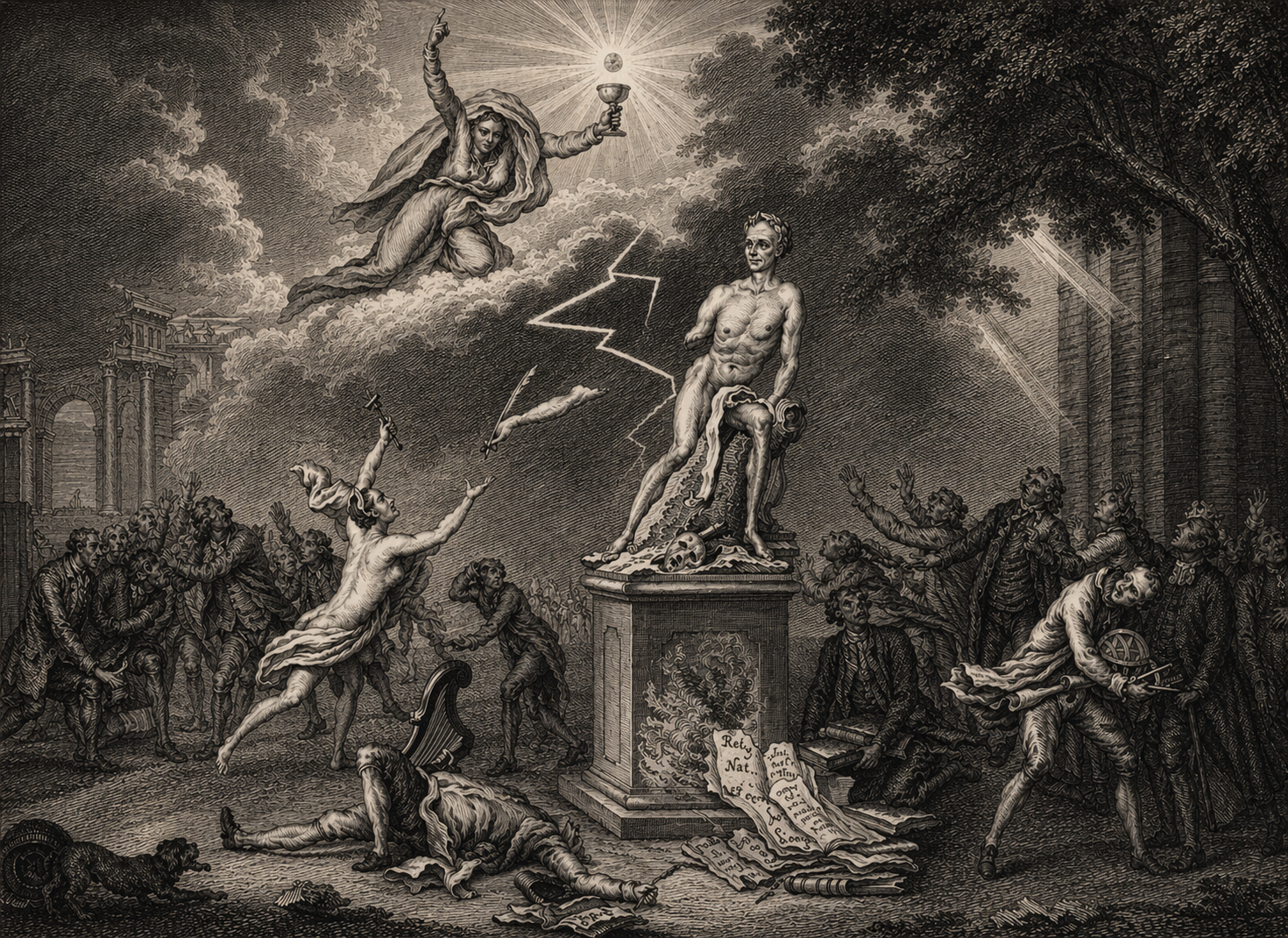
What kind of counter-enlightener are you?
The ideas of the Enlightenment always sparked heated debates, and many, while accepting certain elements of the era's worldview, decisively rejected others. Where is your limit of Enlightenment? Take the test and find out who you resemble more: the reactionary de Maistre, the conservative Burke, the religious philosopher Hamann, or the romantic nationalist Herder.