1
Art
Ten Lithographs by Honoré Daumier
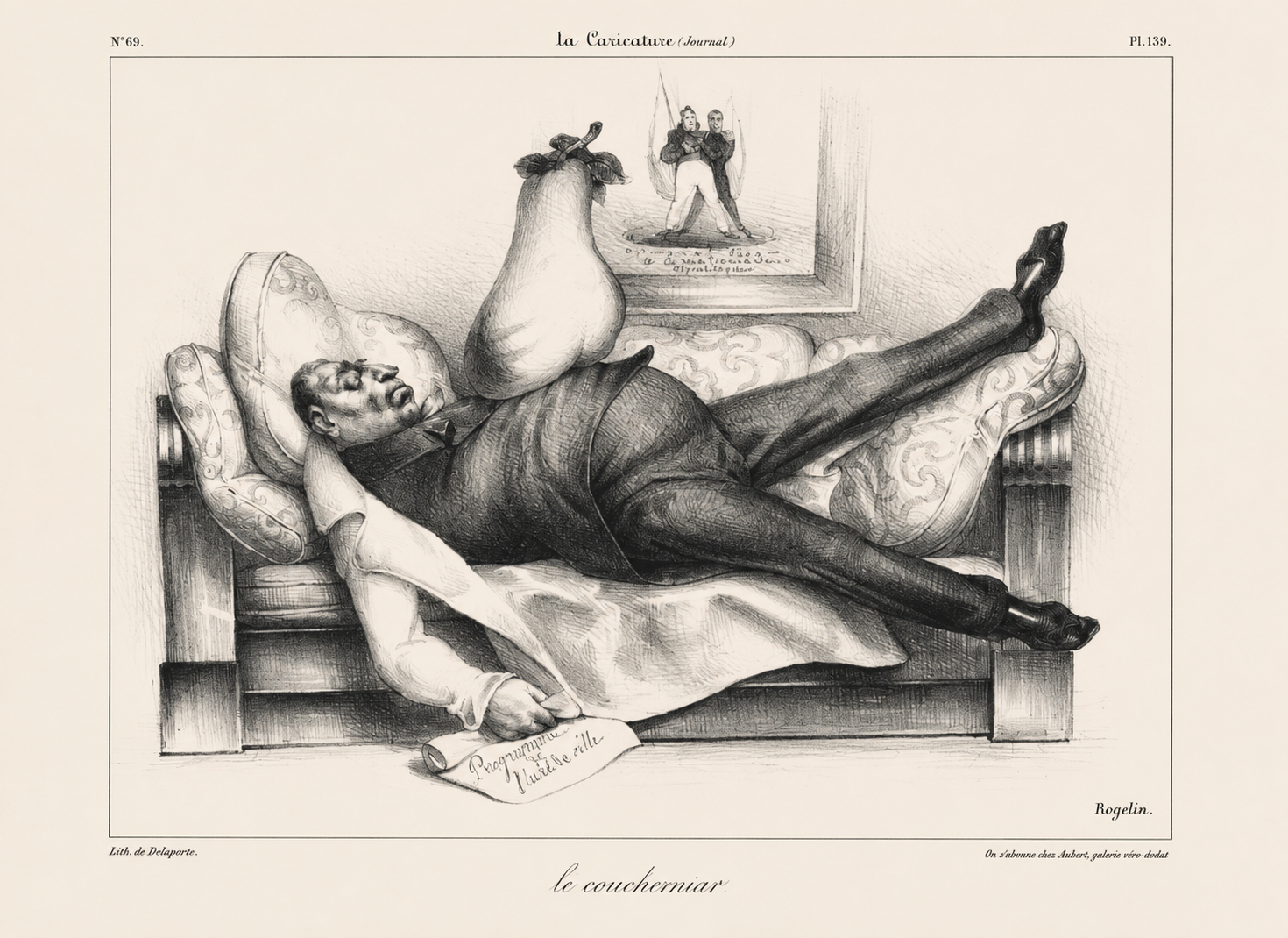
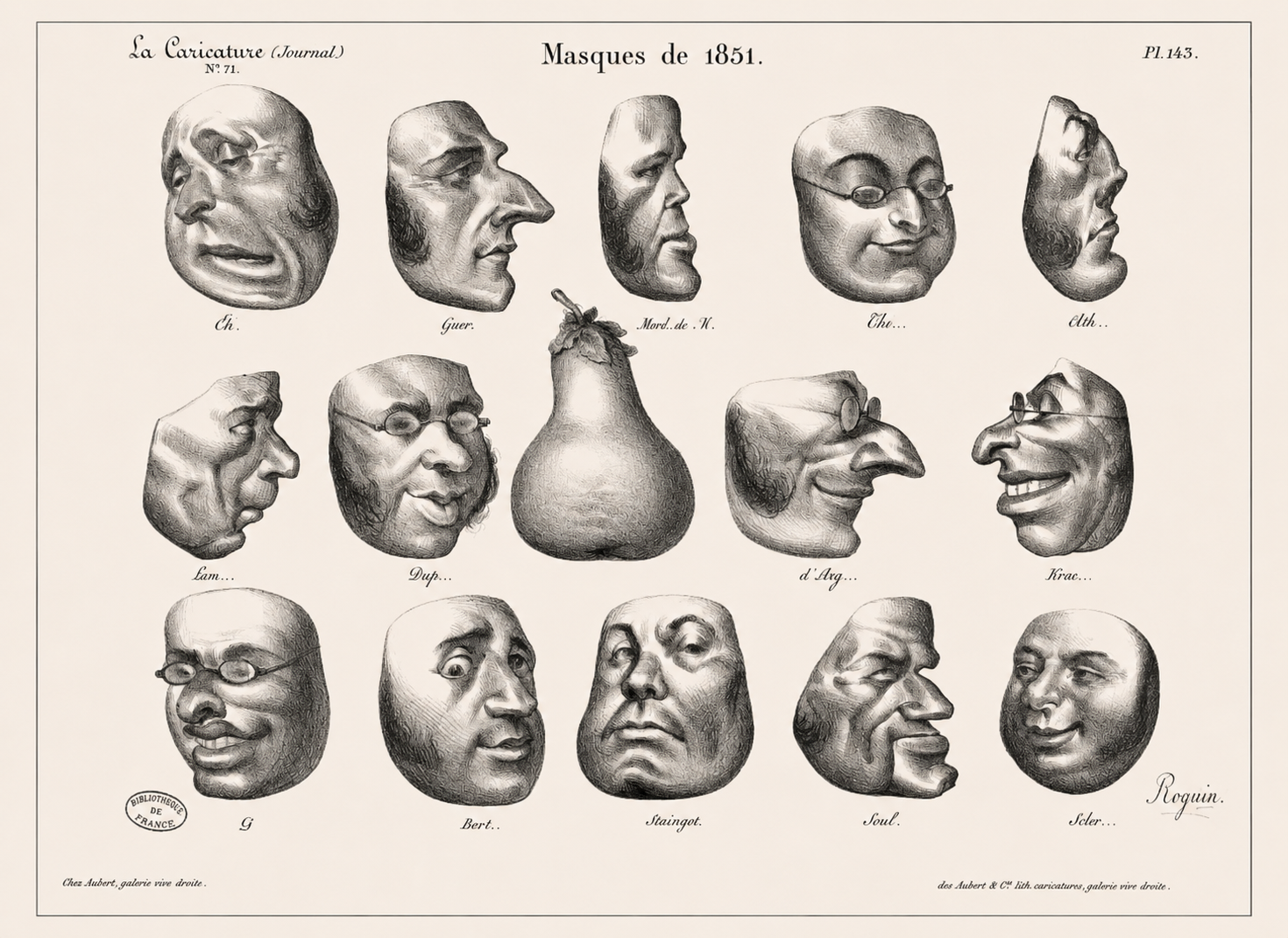
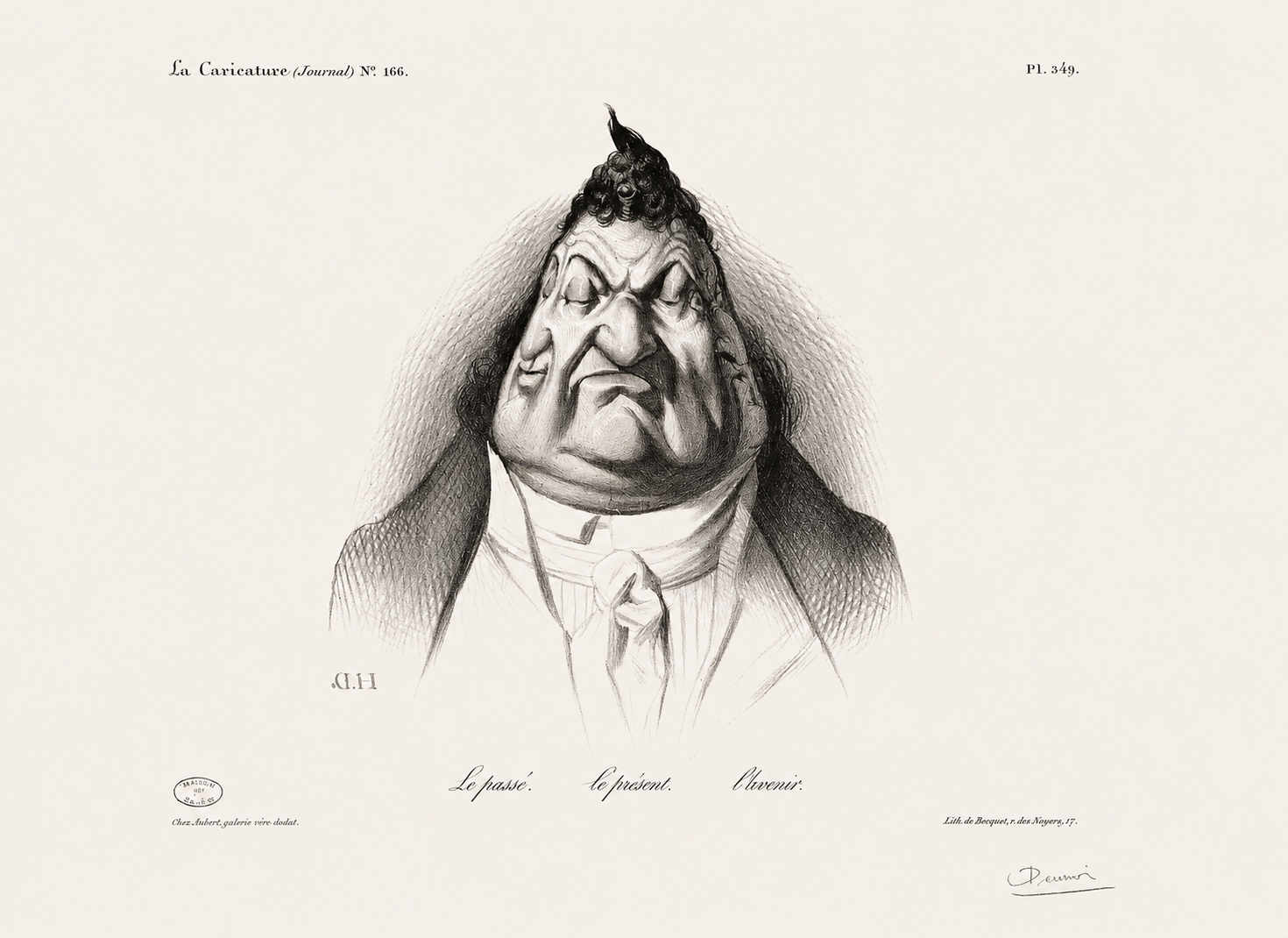
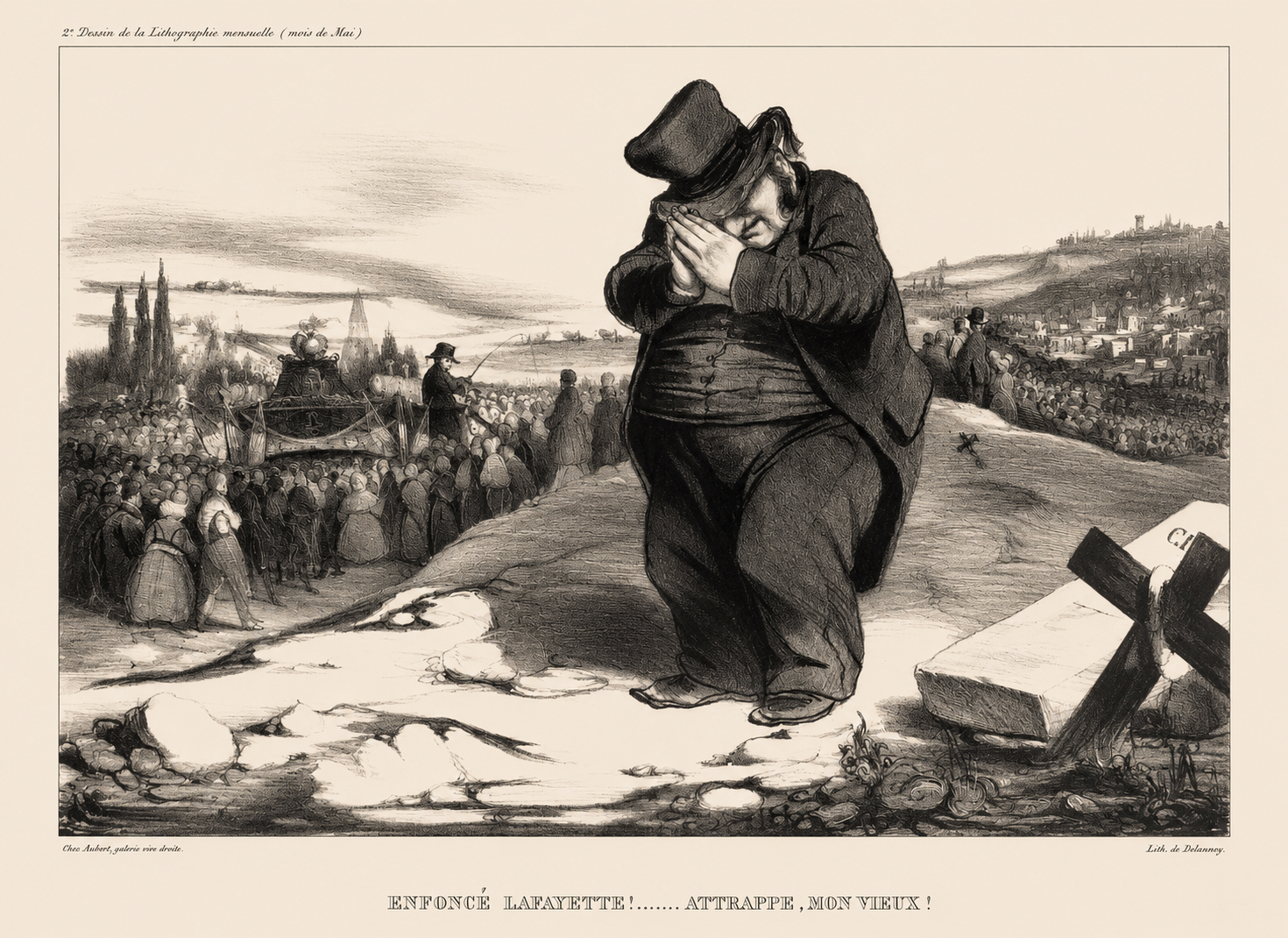
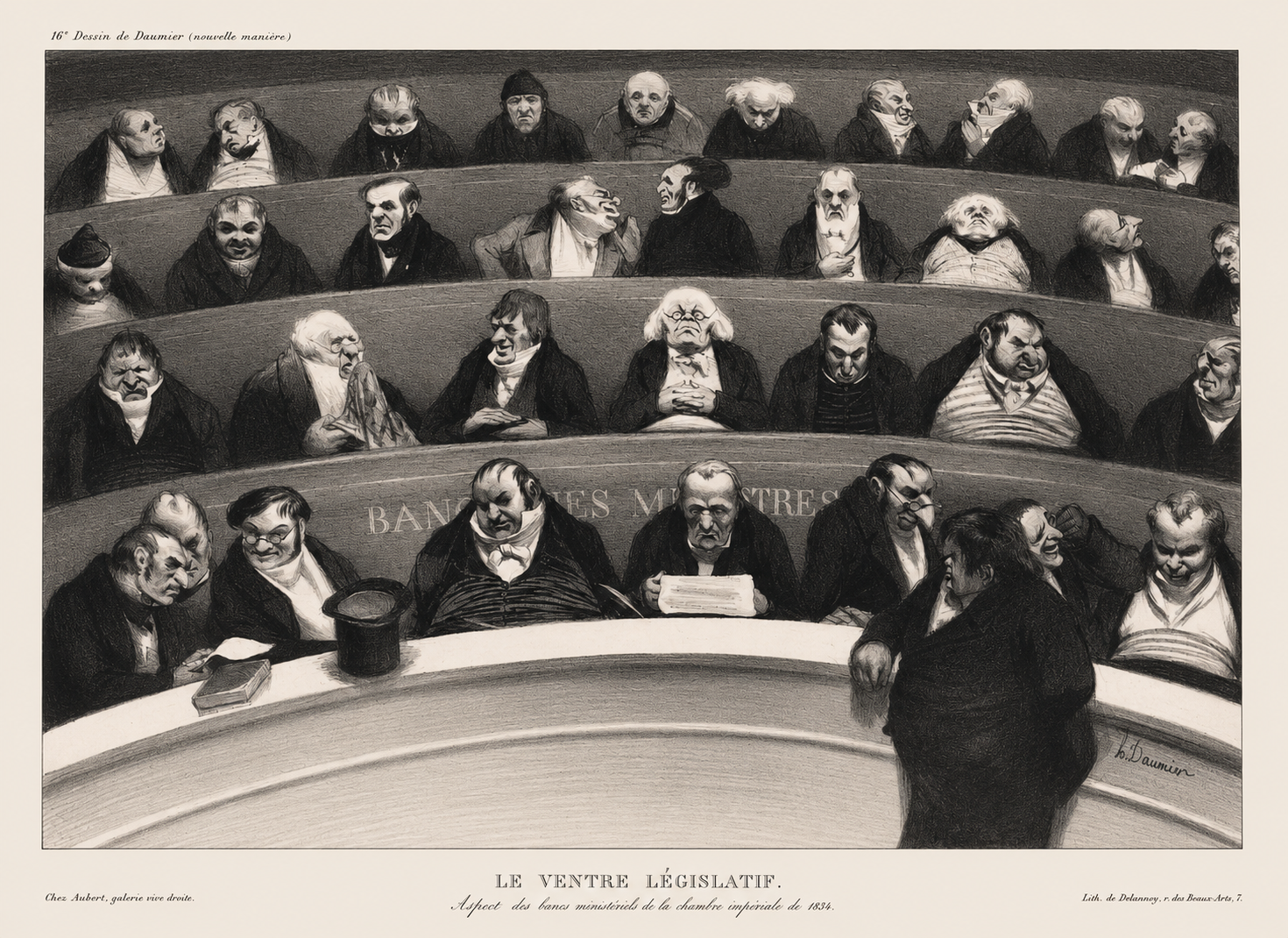
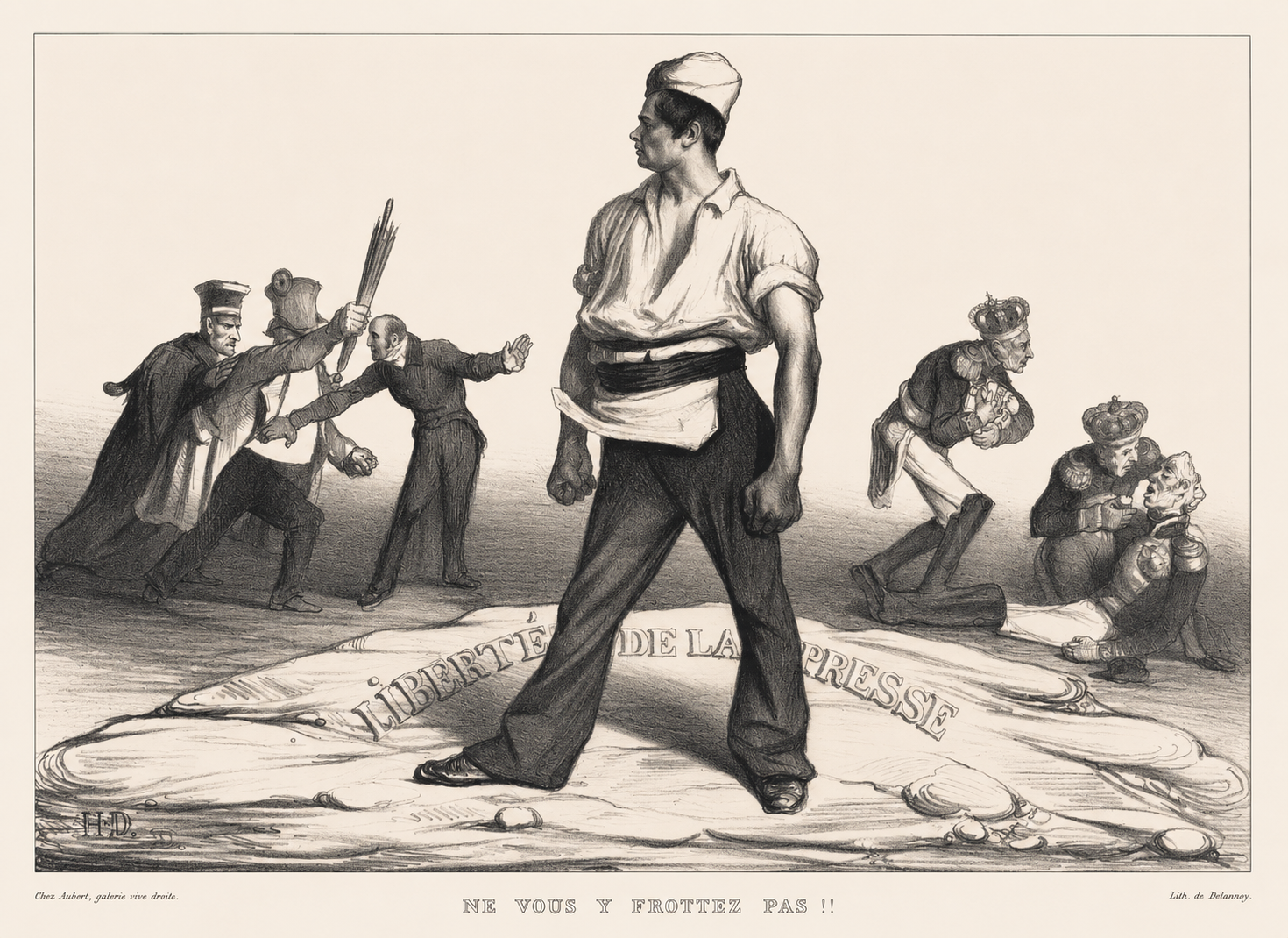
Lithography begins with a stone: the artist draws directly on smooth limestone, and thousands of prints are pulled from it. Honoré Daumier worked with such stones for thirty years, satirizing the July Monarchy. For "Gargantua," he was imprisoned in Sainte-Pélagie, and after "Rue Transnonain," the government bought up the prints and destroyed the stone itself. Ten of his sheets, from the pear-shaped Louis-Philippe to the Bonapartist scoundrel Ratapoil, demonstrate how a cheap newspaper image became both a weapon and an art form.
PONTVS TEAM
Content produced by our editorial team
09.07.2026
Report a problem
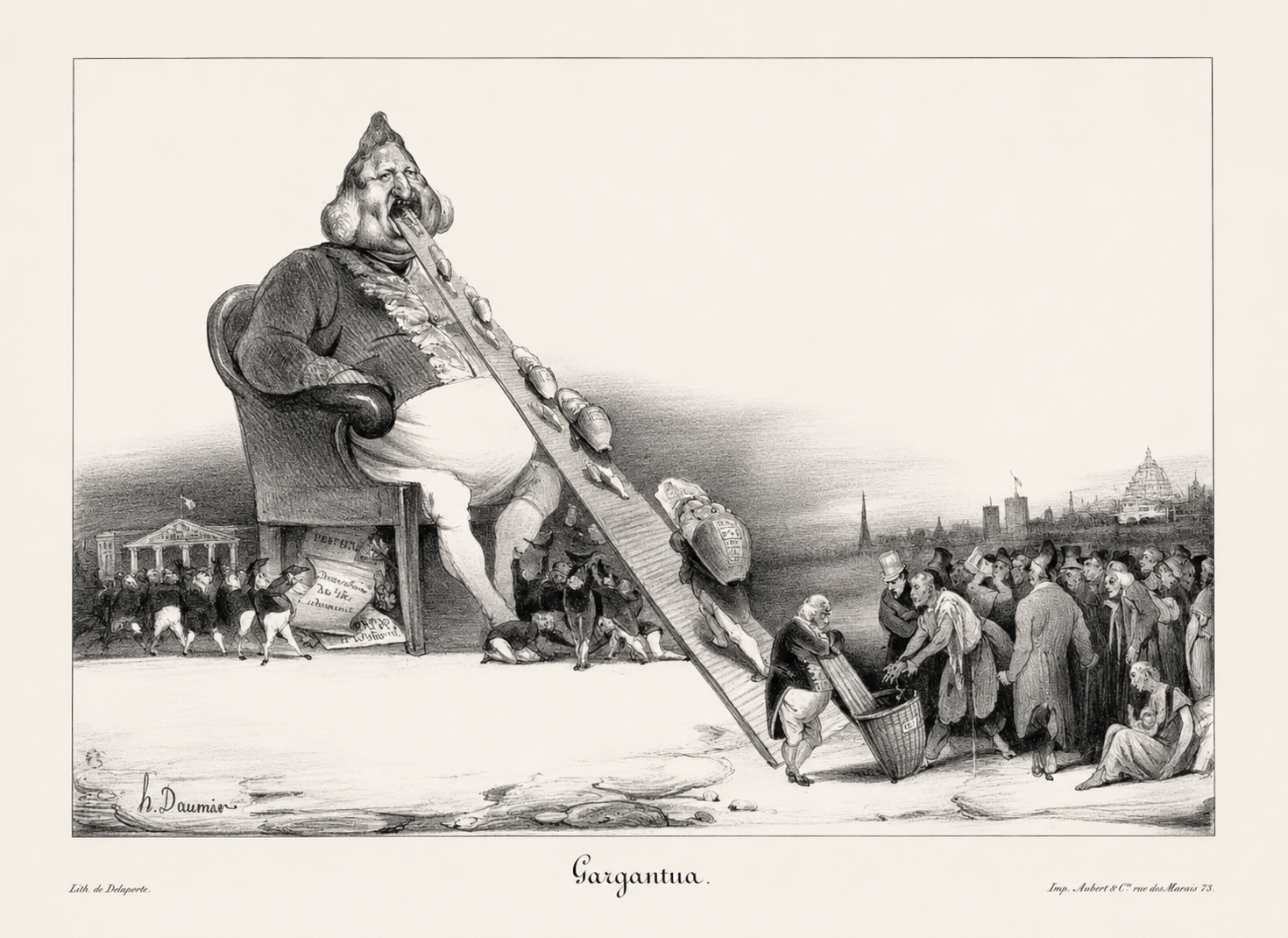
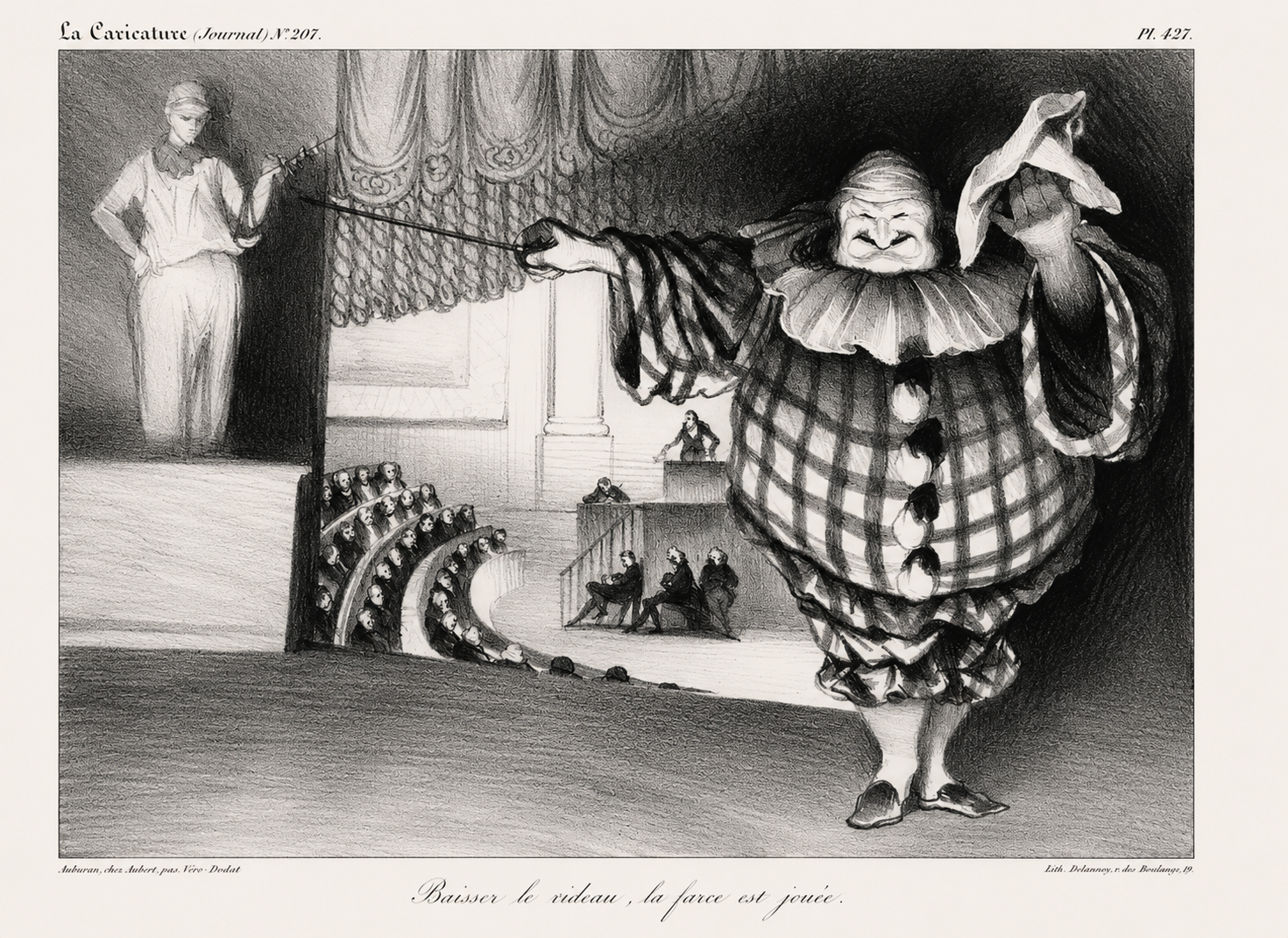
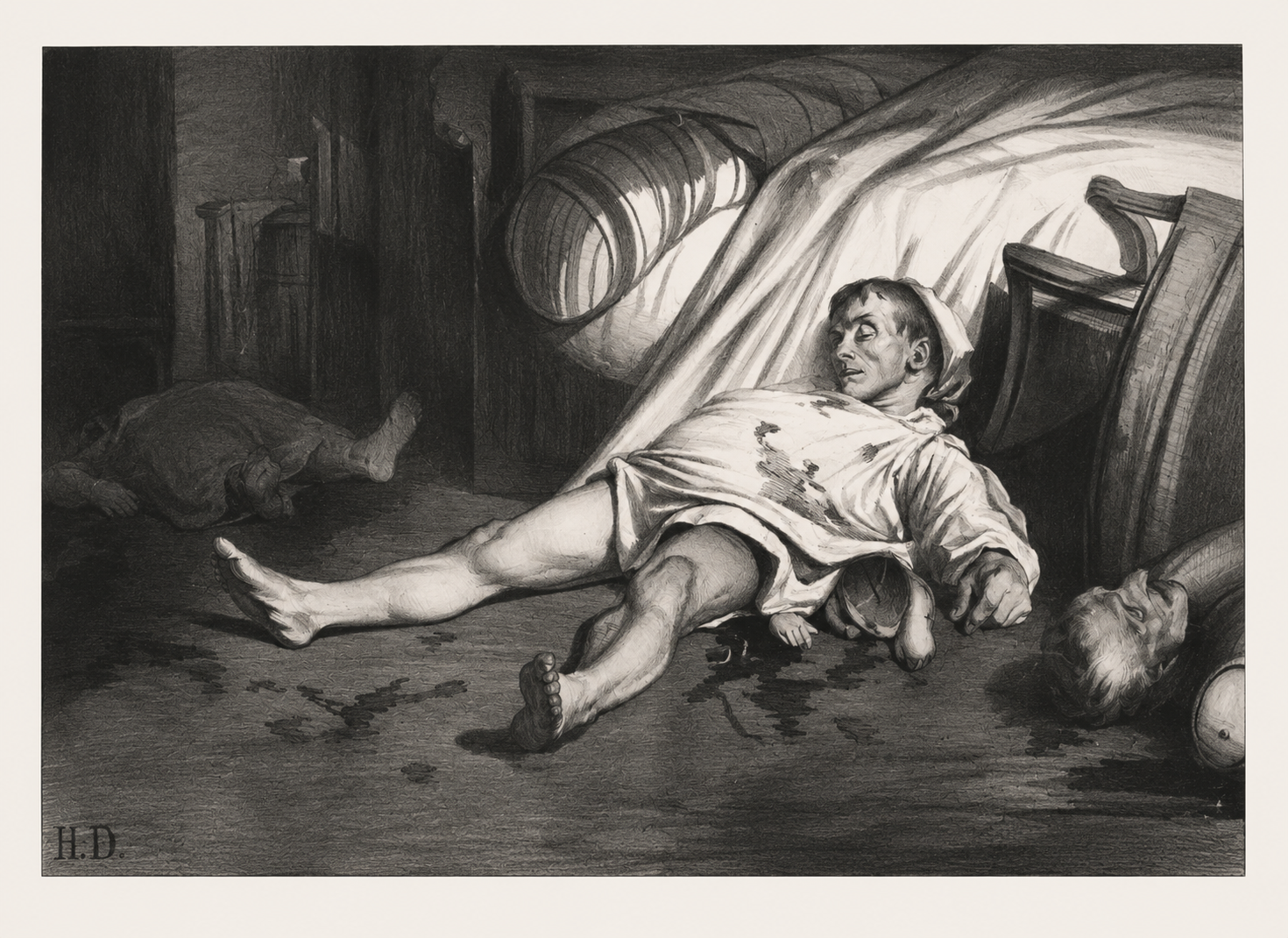
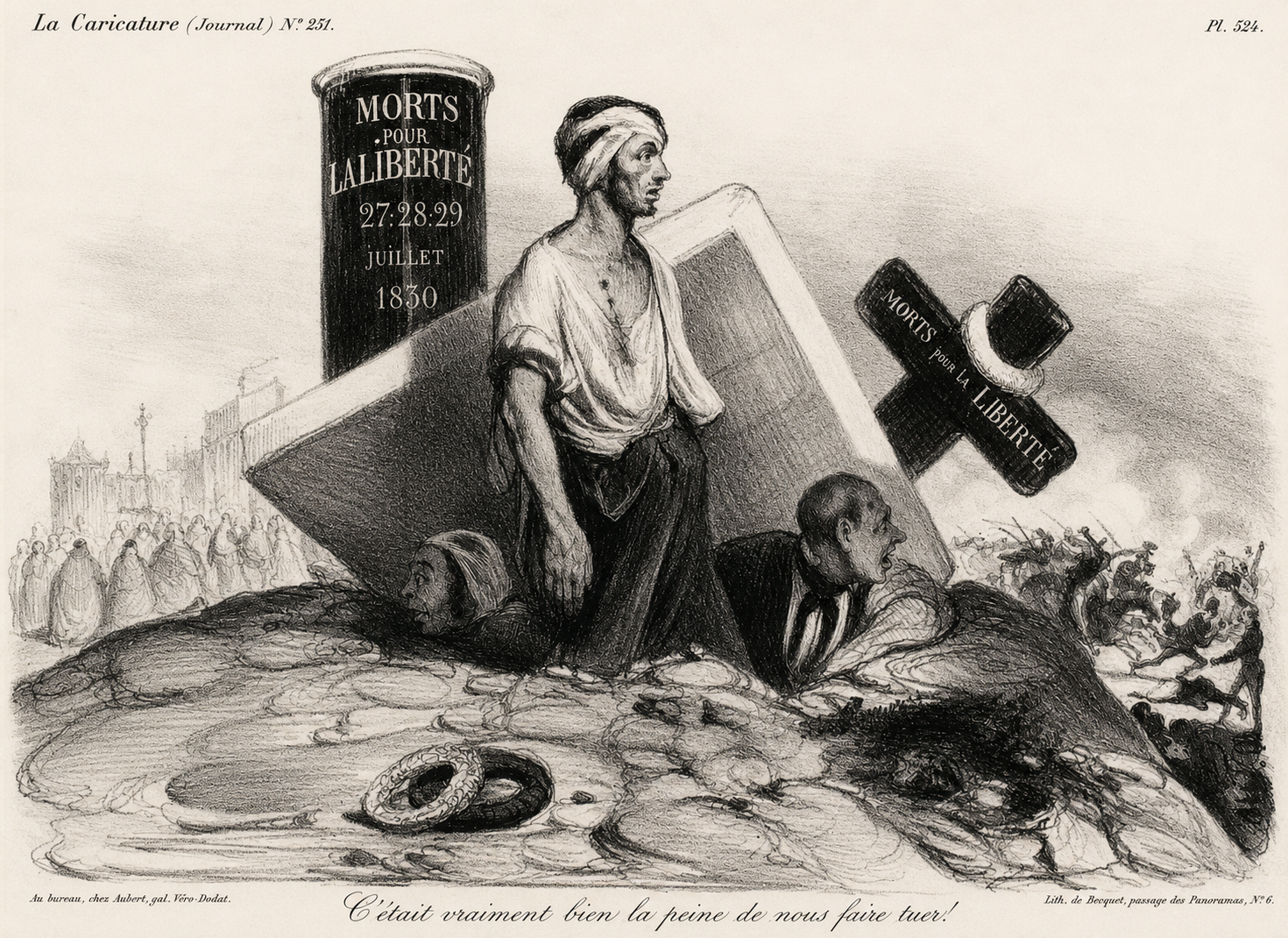
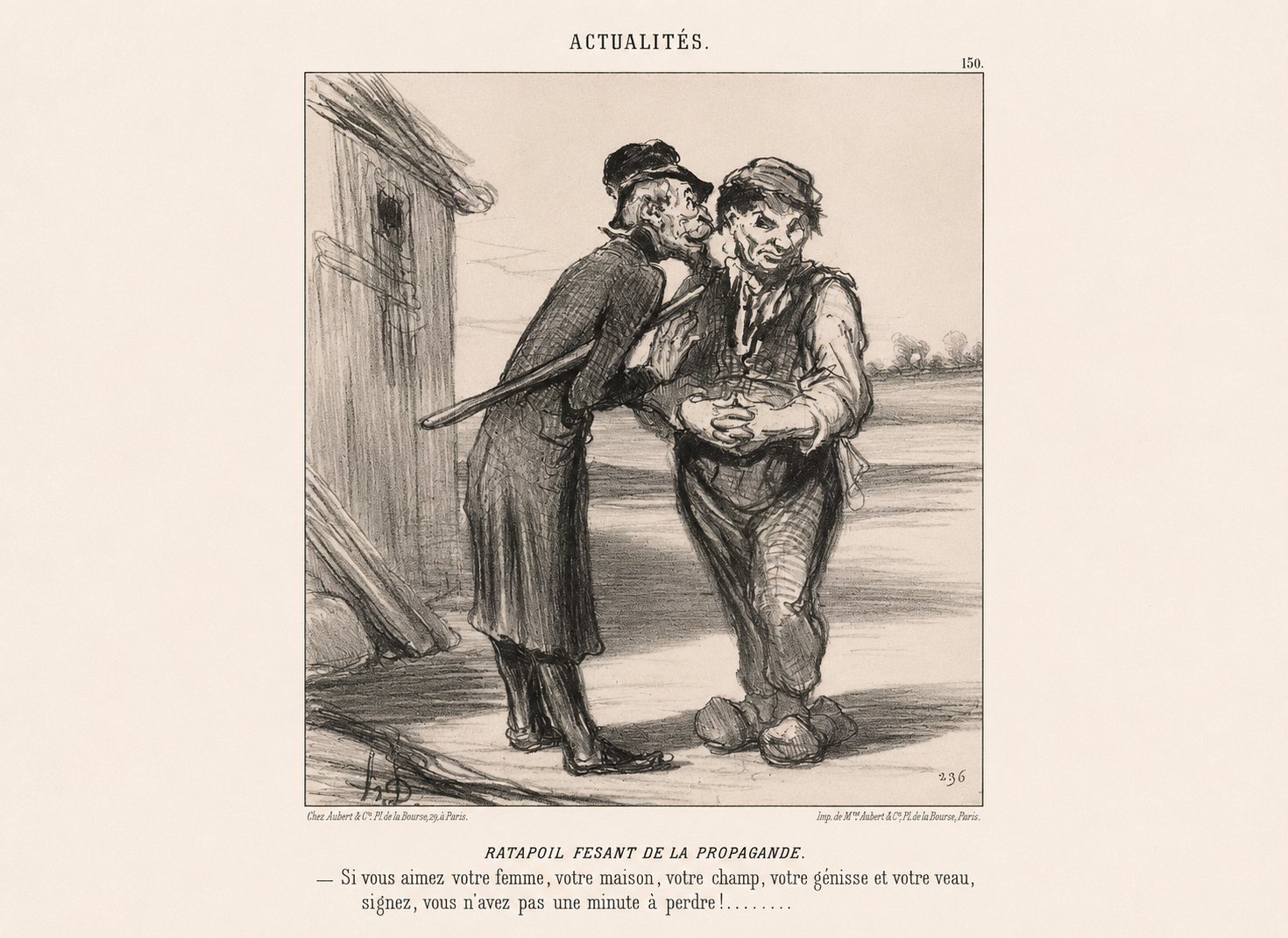
The pear-king on a toilet-seat throne swallows the gold brought to him by the emaciated people and drops down orders and parliamentary seats for his retinue. For this lithograph, Daumier received six months in the Sainte-Pélagie prison in 1832.