Architecture
Architecture is frozen music of space, where stone, light, and shadow form a language understood without words. It hides in the refined austerity of the Villa Rotonda, where harmony reaches almost mathematical clarity, and reveals itself in the elegance of the Villa d’Este, where symmetry and nature merge into a deliberate harmony.
It lives not only in great monuments but also in bold experiments, where the architect challenges tradition and searches for new meanings in space. In its details—the silence of inner courtyards, the play of light in narrow openings, the breath of materials that over time become part of memory.
Articles
3
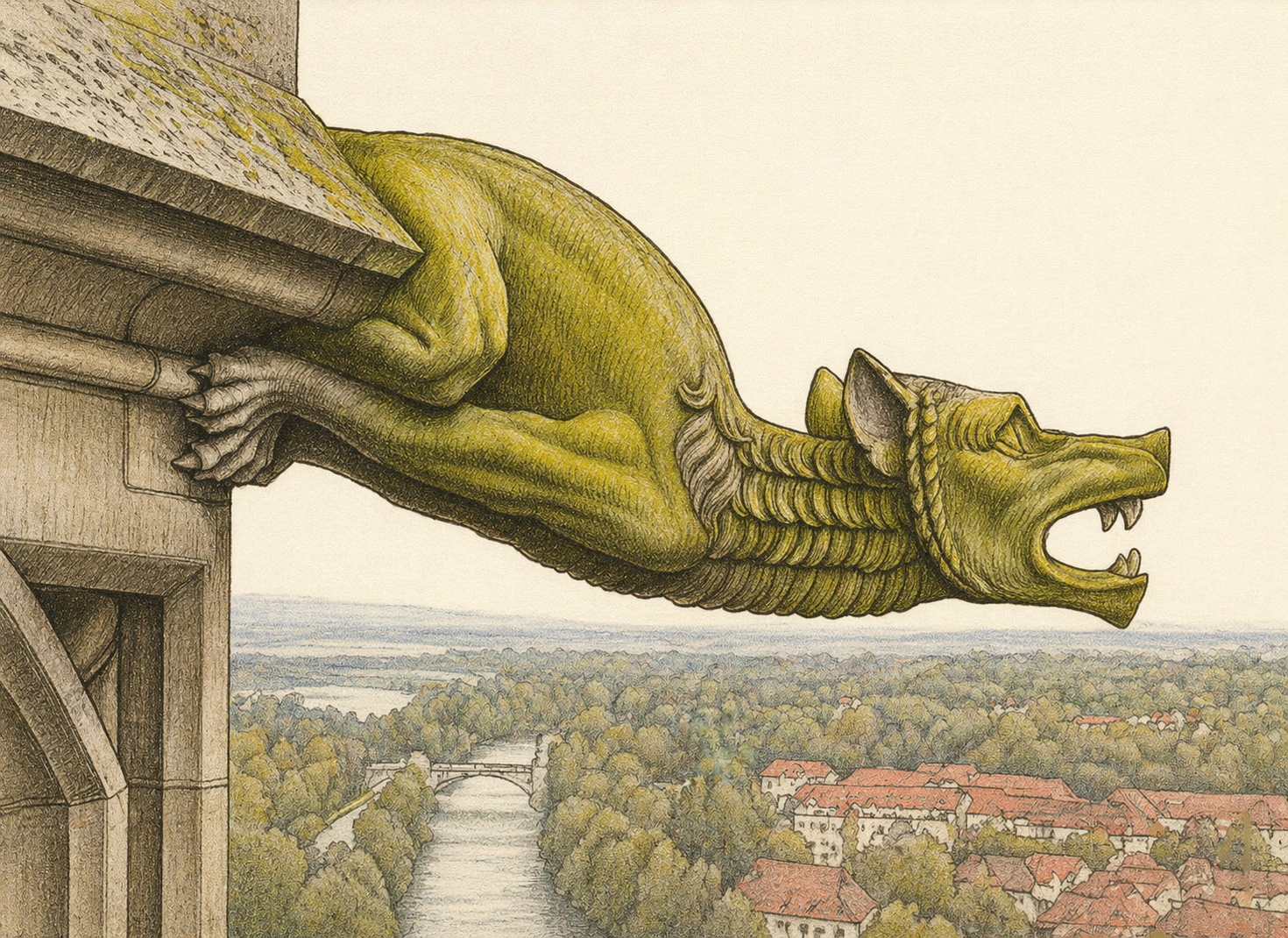
Gothic and Ulm Minster
Using the example of Ulm Cathedral in southern Germany, Danil Golovin explains the features of the Gothic architectural style, which dominated Europe during the High and Late Middle Ages.
Wunderkammer
3
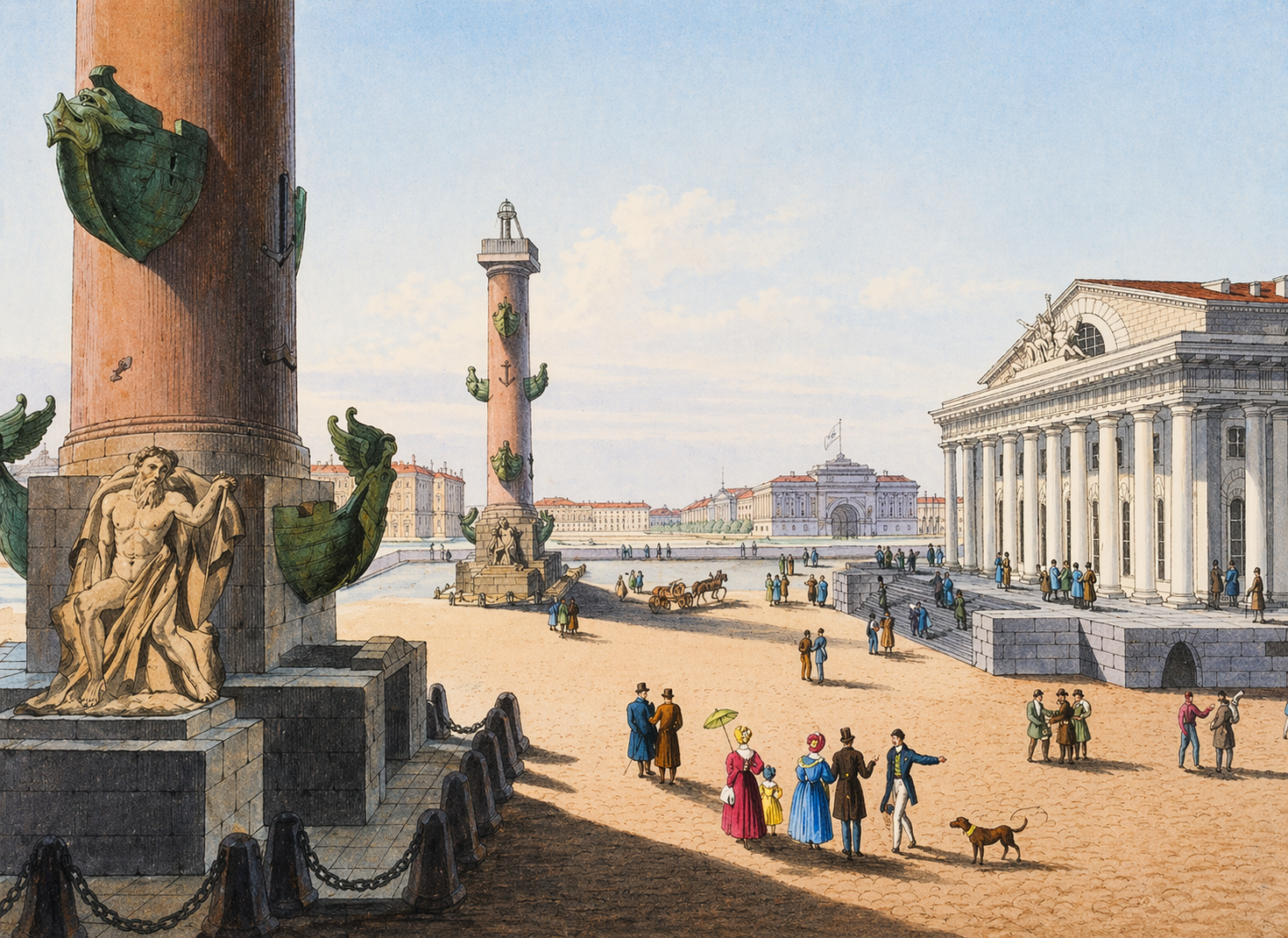
The ancient city on the banks of the Neva
"In St. Petersburg, two types of architecture prevail: Greek and Roman," — this is how the capital of the Russian state was described by the prominent historian and local historian Ivan Ilyich Pushkaryov. The founder of the city, Emperor Peter, in an attempt to distance himself from the Moscow he disliked, which called itself the Third Rome, laid the foundation for a new ancient city on the northern shores of the Neva. Absorbing the entire "spirit" and longing for antiquity, St. Petersburg recreated it in the strict plans of its architectural ensembles, classical colonnades, and triumphal arches.