Political science
Mikhail Sosnovsky
Author of the Telegram channel “Stahlhelm”
Веймарская республика являлась федеративным государством, состоявшим к концу своего существования из 17 «Свободных государств» с собственными автономными правительствами и региональными парламентами – ландтагами. Крупнейшие партии имели общегосударственный характер. В некоторых Свободных государствах существовали свои местные локальные партии, но значительного влияния на имперскую политику они не оказывали.
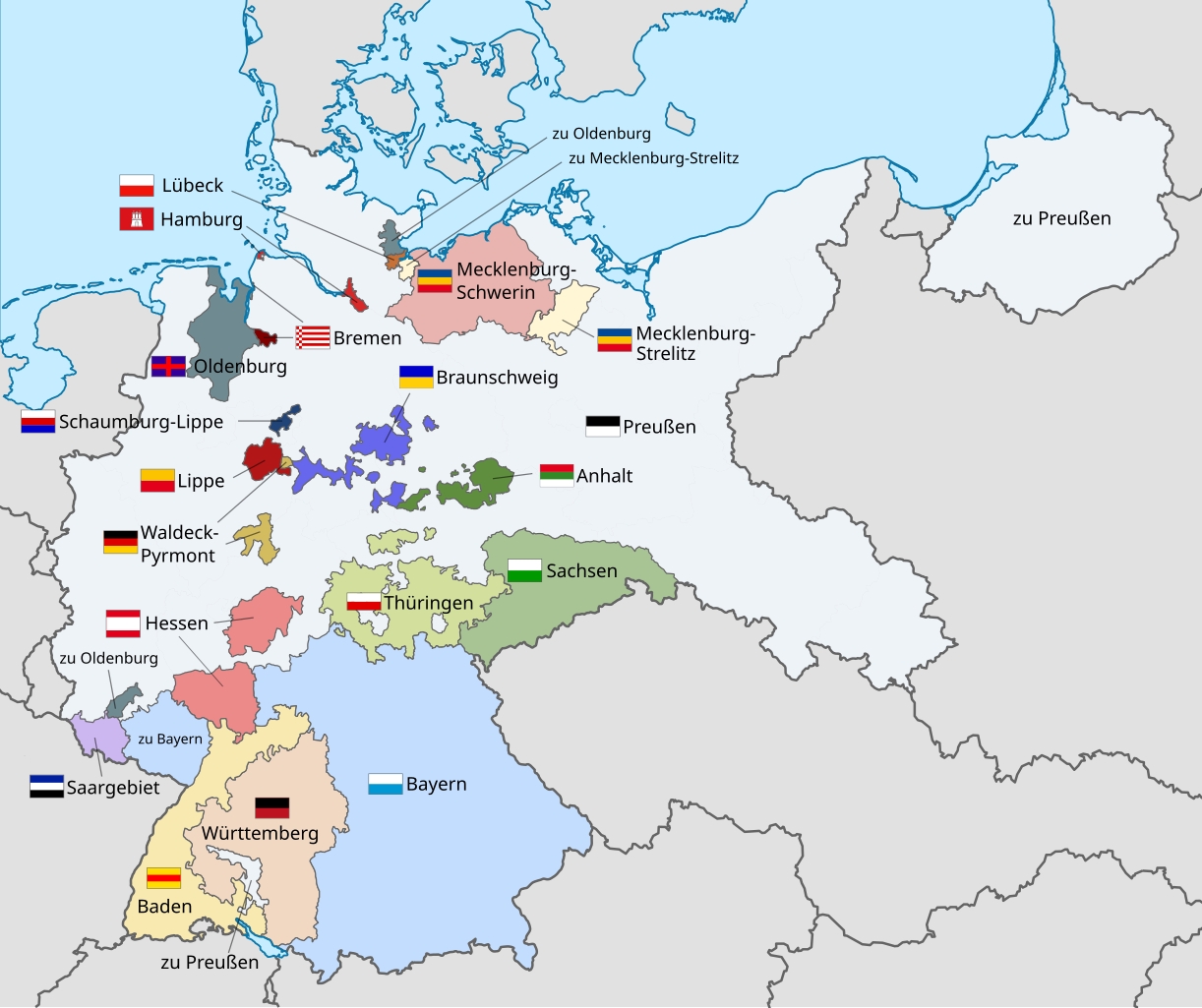
Исключением была Бавария, которая являлась вторым по значению немецким государством после Пруссии.
Кайзеровская империя представляла собой рыхлую федеративную структуру, в которой отдельные немецкие монархии сохраняли собственные армии, налоговый суверенитет и правовые системы. Более того, Бавария сохраняла даже отдельное министерство иностранных дел.
При империи в большей части баварских округов на выборах в рейхстаг побеждали кандидаты от католической партии Центра. В 1870-х годах баварское правительство подобно правительству Отто фон Бисмарка в Пруссии проводило «Культуркампф» – ограничивало права католической Церкви. Священникам было запрещено вести политическую пропаганду, церковные назначения отныне зависели от государственных чиновников, Церковь была вытеснена из сферы образования, введены гражданские браки, запрещён орден иезуитов. Под гнётом репрессий конфессиональная солидарность сплачивала последователей Римской церкви по всей Германии.
Революция 1918 – 1919 годов поставила под угрозу федеративный характер Германского государства, так как внутри правящей «Веймарской коалиции» были сильны настроения в пользу большей централизации и унификации Рейха. В итоге имперское правительство смогло отобрать у государств их военный, налоговый и дипломатический суверенитет. Тем не менее регионы сохранили внутриполитическую автономию с собственными правительствами, парламентами и законами. Однако многим баварцам даже такая автономия казалась недостаточной.
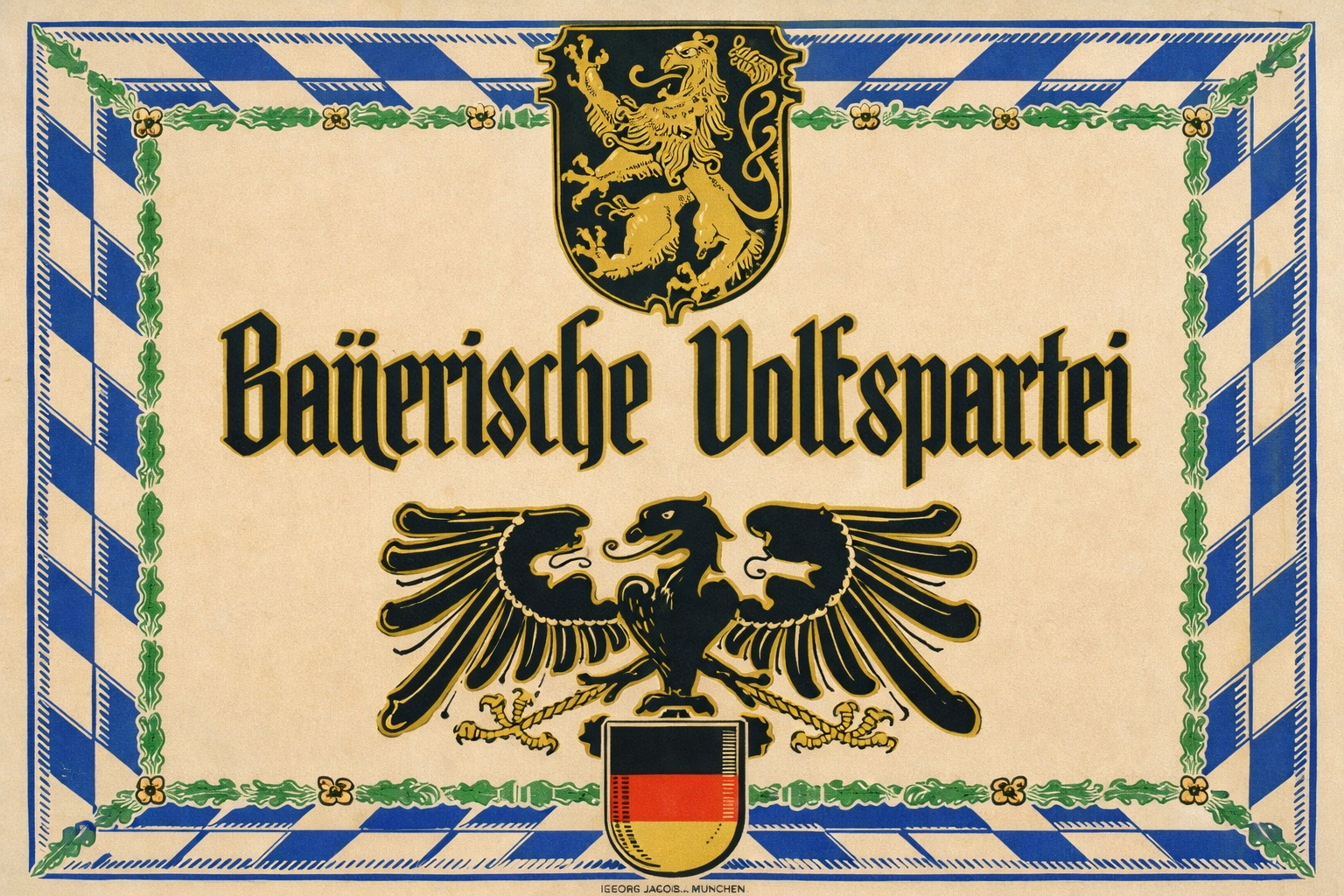
На выборах в Учредительное собрание в январе 1919 года баварские католики ещё выступали в едином блоке с общегерманской партией Центра. Однако к 1920 году они окончательно сепарировались в отдельную Баварскую народную партию (БФП), которая защищала принцип федерализма. Доминируя в баварской политике, БФП участвовала и в национальных парламентских выборах, на которых стабильно набирала 3 – 4% голосов.
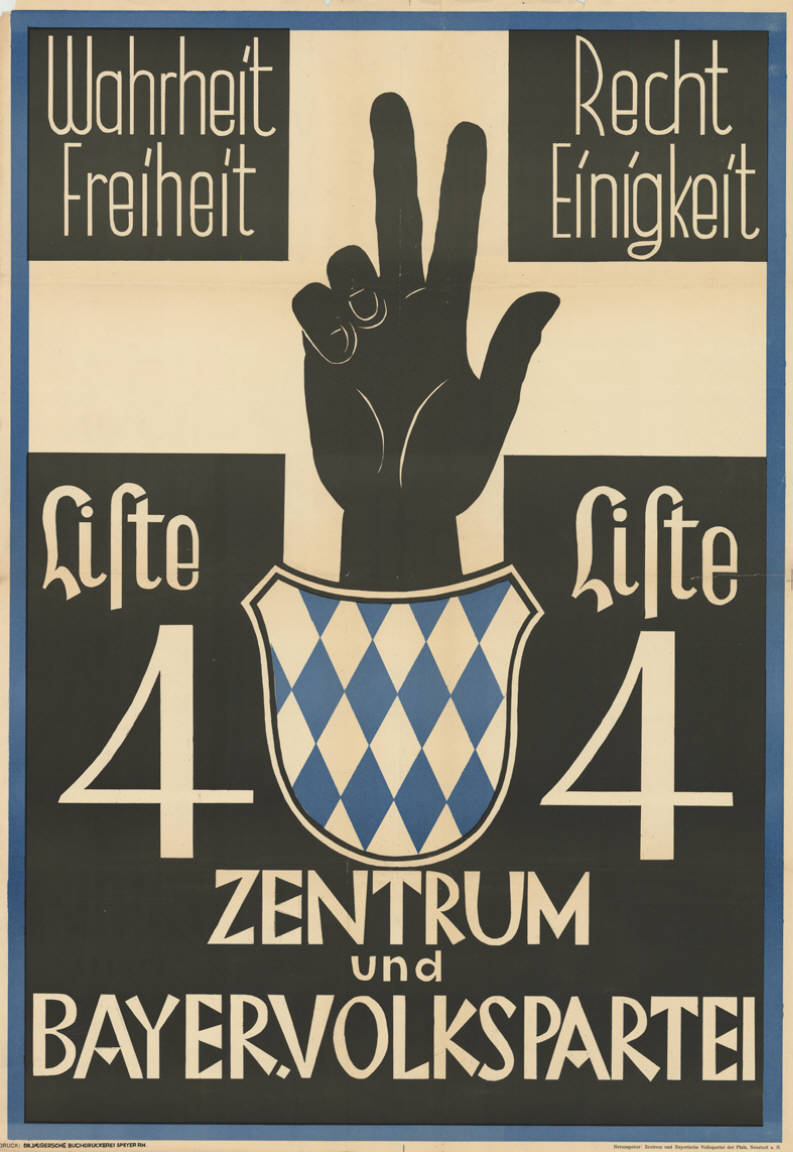
Подобно Центру, БФП благодаря своей центристской позиции могла лавировать между левыми и правыми. В 1919 – 1920 годах партия входила в баварскую «Веймарскую коалицию» вместе с социал-демократами и левыми либералами. Однако в марте 1920 года коалиционное правительство было свергнуто в результате правого путча, и к власти пришло антиреспубликанское правоконсервативное крыло БФП во главе с Густавом фон Каром. Вплоть до 1924 года Кар конфликтовал с центральными властями в Берлине, добиваясь расширения баварской автономии и лавируя на грани открытого сепаратизма. После 1924 года БФП стала более умеренной партией, которая тем не менее продолжала сотрудничество с праволиберальными и консервативными силами.
В итоге представители БФП возглавляли баварское правительство на протяжении практически всего веймарского периода с 1920 по 1933 годы. С 1925 по 1932 годы партия даже была представлена в имперских кабинетах министров.
Выбор партии, пожалуй, оказался судьбоносным во время президентских выборов 1925 года. В первом туре БФП выдвинула собственного лидера Генриха Хельда, который набрал почти 4% голосов. Во втором туре республиканские партии сплотились вокруг кандидата от Центра Вильгельма Маркса. Однако католическая БФП предпочла поддержать протестантского кандидата от правых – кайзеровского фельдмаршала Пауля фон Гинденбурга. Во втором туре разрыв между Марксом и Гинденбургом составил всего 3% в пользу второго – 45% и 48% соответственно. Фактически БФП обеспечила избрание Гинденбурга, который через несколько лет возглавил демонтаж республиканского режима и передал власть нацистам.

В годы Великой депрессии БФП сохранила свою крестьянскую католическую электоральную базу в неприкосновенности. Нацисты росли за счёт городских либералов и консерваторов, а также сельских светских избирателей.
Однако Бавария не смогла ничего противопоставить приходу нацистов к власти на государственном уровне. В марте 1933 года баварское правительство было свергнуто, а баварские депутаты рейхстага проголосовали за предоставление гитлеровскому кабинету чрезвычайных полномочий издавать законы в обход парламента. В апреле в пользу нацистов был переформатирован партийный состав ландтага, а в июле БФП была вынуждена самораспуститься.
«Третий Рейх» формально сохранил немецкие государства с собственными нацистскими правительствами, но фактически полностью уничтожил их автономию – региональные парламенты были ликвидированы, а все распоряжения отныне исходили из Берлина.
После краха нацизма в 1945 году в Баварии были созданы сразу две региональные партии – Христианско-социальный союз (ХСС) и Баварская партия. ХСС являлся более клерикальным и был настроен на взаимодействие с общегосударственным Христианско-демократическим союзом (ХДС). Баварская партия же являлась более светской и федералистской, балансирующей на грани сепаратизма.
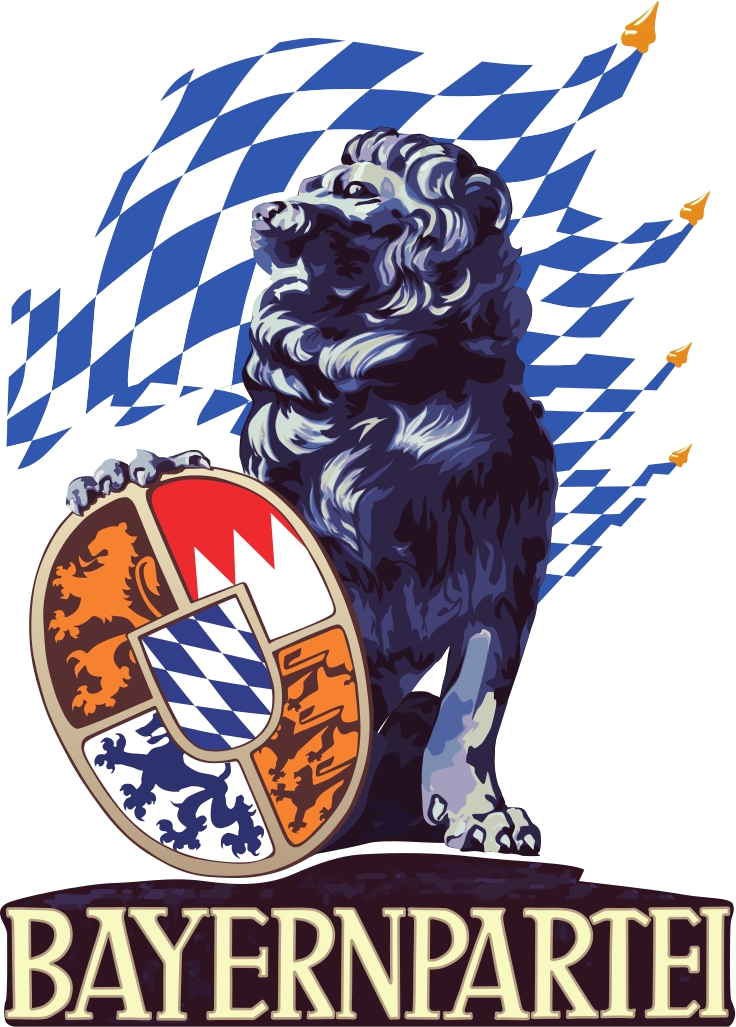
До конца 1950-х годов между двумя партиями шла упорная борьба за «буржуазного» баварского избирателя. Победителем вышел ХСС, который с 1946 года и по настоящее время (с небольшим перерывом в 1954 – 1957 годах) продолжает возглавлять все баварские правительства. Что же до Баварской партии, то она была представлена в первом бундестаге, а до середины 1960-х годов избиралась в земельный баварский ландтаг. После этого её электоральная база была окончательно поглощена ХСС, а партия продолжила свою деятельность исключительно на муниципальном уровне.